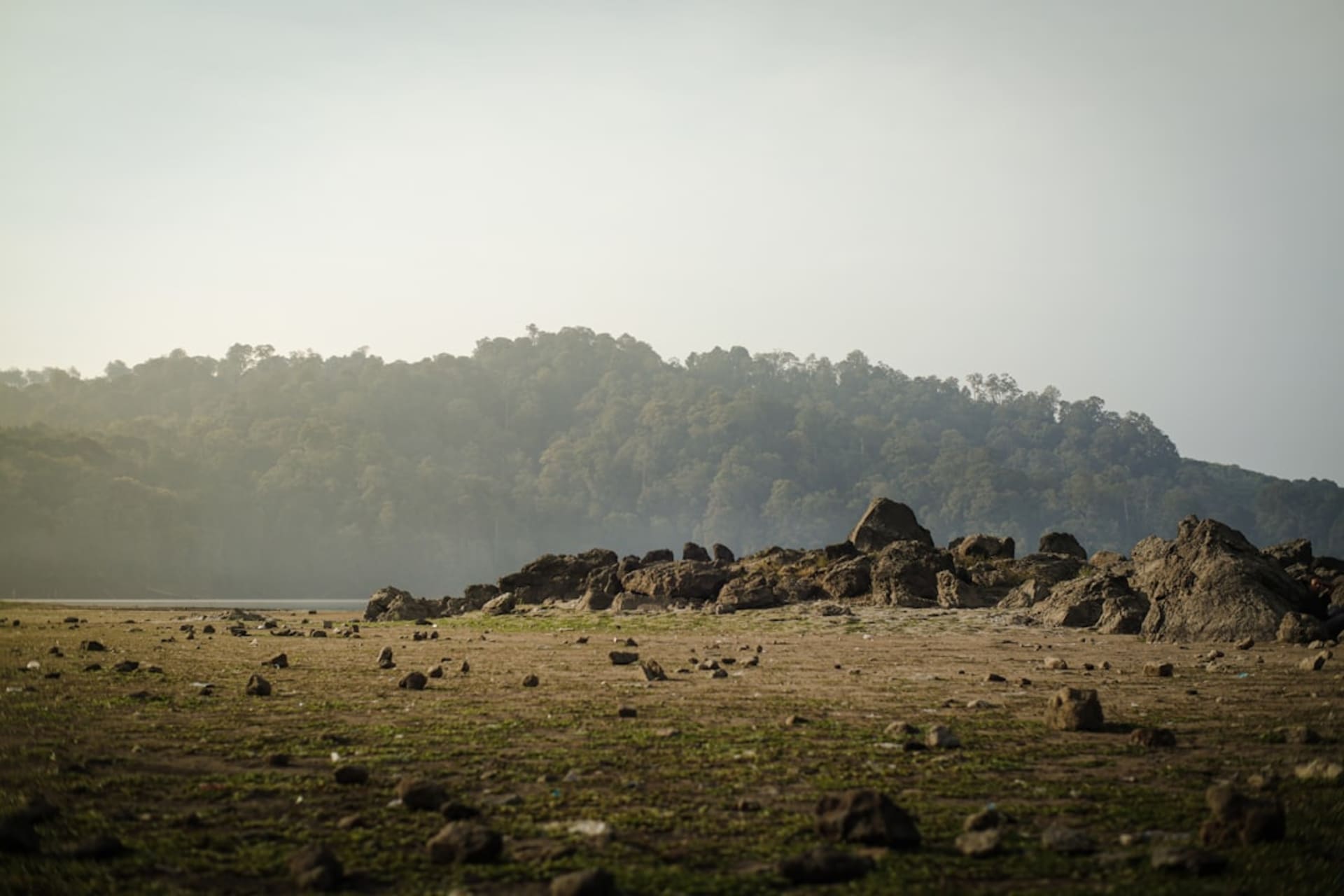
A rugged, animist island where megalithic tombs sit beside thatched-roof clan houses and horsemen still charge each other with spears every February.
Sumba doesn’t behave like the rest of Nusa Tenggara. It’s drier, browner, more savanna than jungle, and it never fell under the same waves of Hindu, Buddhist, or even deep Islamic influence that shaped Java or Bali. What survived instead is Marapu, the indigenous animist belief system that still governs village life for a real portion of the population, openly practiced rather than tucked away as folklore. I landed in Tambolaka on the west side of the island half-expecting a diluted, touristy version of “traditional culture” and instead found funerals that lasted days, clan houses with soaring thatched roofs built to house ancestral spirits, and megalithic stone tombs — some newly carved, some centuries old — sitting in the middle of otherwise ordinary villages.
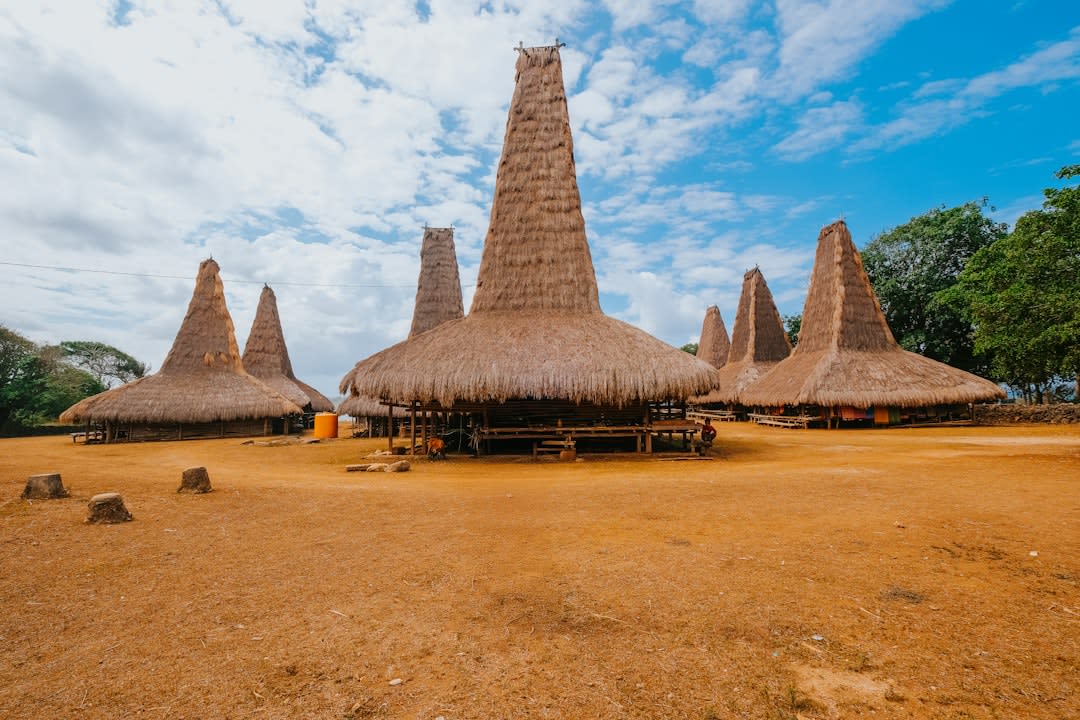
The villages themselves are the reason to come. Ratenggaro and Wainyapu, near the southwest coast, sit right against the beach, their houses raised on stilts with peaked roofs that can reach fifteen meters, built that way to store heirlooms and give the ancestral spirits room above the living quarters. Prai Ijing, in the hills near Waikabubak, is smaller and easier to visit respectfully, and the stone tombs scattered between houses there are still used — Sumbanese burial customs remain elaborate, sometimes involving the sacrifice of dozens of water buffalo and horses to accompany the dead into the next world, a practice that says everything about how seriously the island takes its relationship with ancestors.
Pasola and the ikat weavers
If your timing lines up, nothing tops Pasola — the ritual war games held in February and March across a handful of villages in West and Southwest Sumba, timed to the arrival of nyale sea worms on the coast. Hundreds of horsemen in traditional dress charge each other in open fields, hurling blunt wooden spears, in a ceremony believed to fertilize the rice fields with the blood spilled. It’s chaotic, genuinely dangerous even with blunted weapons, and completely unlike any staged cultural show I’ve seen elsewhere in Indonesia. I watched from the edge of a field near Wanokaka with the local crowd roaring at every near-miss, and there was no sense at all that this was being performed for outsiders — we were incidental.
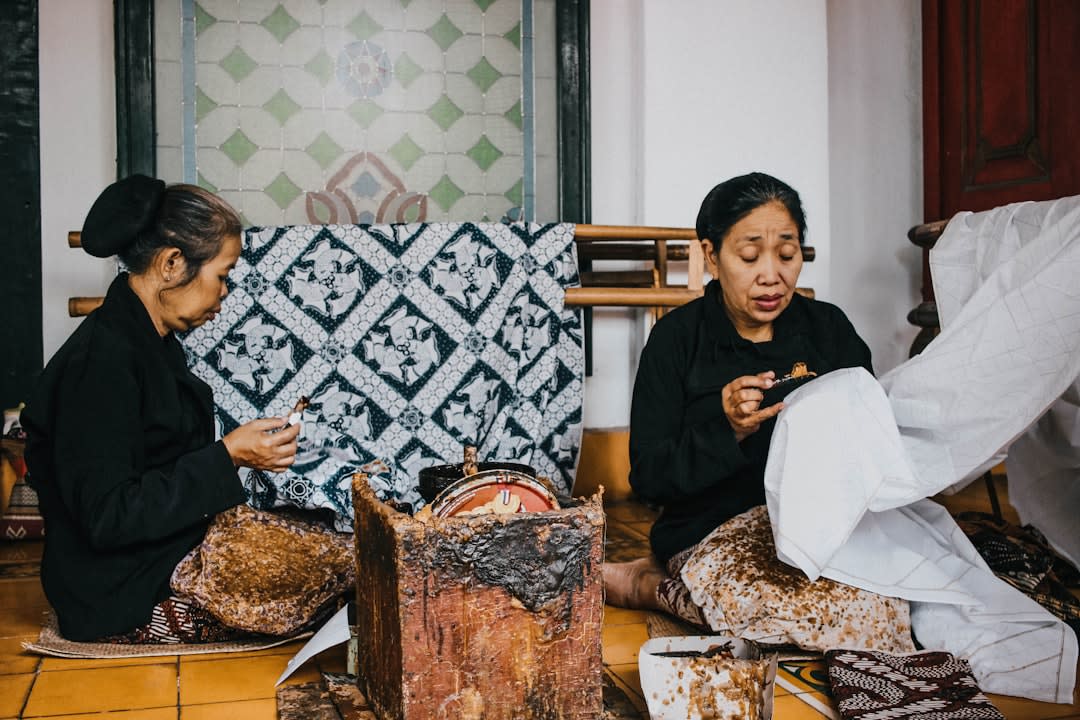
Sumba is also one of Indonesia’s great centers of ikat weaving, the labor-intensive technique where threads are tie-dyed before weaving to create the pattern, rather than dyeing the finished cloth. East Sumba around Waingapu produces the most famous cloths, with motifs of skulls, horses, and ancestral figures that once marked social rank and were reserved for royalty and the dead. I watched a woman in a village outside Melolo working a backstrap loom for a cloth that would take her, she told me through a translator, close to eight months to finish.
The coastline nobody talks about
For an island this culturally dense, Sumba’s beaches are almost an afterthought in how little they’re marketed, which is absurd given what’s actually there. Weekuri Lagoon, a natural saltwater lagoon separated from the ocean by a thin limestone wall, glows an impossible turquoise. Nihiwatu, on the southwest coast, put Sumba on the international surf map decades ago with a wave locals still call “Occy’s Left,” and the beaches nearby — Mandorak, Marosi, Pero — are the kind of empty, cliff-backed coves that would have a hotel on every inch of sand anywhere else in Southeast Asia.
When to go: February and March if Pasola is the draw, accepting the last stretch of wet-season rain; June through September for the driest, most reliable weather across the island generally.