
Sukabumi
"The district that can't decide whether it's a highland or a coastline, and gives you both."
Where the highlands of West Java drop suddenly into the Indian Ocean, leaving waterfalls, tea plantations, and a coastline that surfers have kept quietly to themselves.
Sukabumi is really two places wearing one name. There’s highland Sukabumi — tea plantations, waterfalls, cool mountain towns — and there’s coastal Sukabumi, where the land finally gives out at Ujung Genteng and Pelabuhan Ratu on the wild southern shore facing the Indian Ocean, the same stretch of water that Javanese mythology assigns to Nyai Roro Kidul, the legendary Queen of the South Sea. I spent a week trying to do justice to both halves and never quite managed it, which is probably the honest review: this is a district you return to rather than finish.
The highlands center on the tea estates around Sukabumi town, planted under Dutch management in the nineteenth century and still worked today, their terraced rows climbing the slopes of Mount Gede and Mount Pangrango in a green so uniform it looks combed. Curug Cikaso, a triple-stream waterfall reached by a short boat ride through a limestone gorge, was the single most photogenic thing I saw all week — three separate curtains of white water dropping into one pool, framed by jungle dense enough that the light comes through in shafts rather than sheets. Geopark Ciletuh, further south, is a UNESCO-recognized geopark built around an amphitheater-shaped bay ringed by ancient rock formations and more waterfalls than I could reasonably visit, evidence of geology old enough to include some of Java’s oldest exposed rock.

The coast the surfers won’t shut up about
Then the land runs out at Pelabuhan Ratu, a fishing port turned resort town that has been a beach getaway for Jakarta and Bandung residents since the colonial period, and further along at Ujung Genteng, a slower, more remote stretch where the appeal is different — grey-green surf breaking over reef points that international surfers have known about for years while somehow keeping it out of the mainstream conversation, plus a green sea turtle nesting beach at Pangumbahan where, if the timing is right, you can watch hatchlings released toward the surf at dusk. I stood on that beach one evening and watched dozens of them scramble down the sand into waves that felt, honestly, terrifyingly large for something the size of a coin purse, and found myself holding my breath until the last one vanished under the foam.
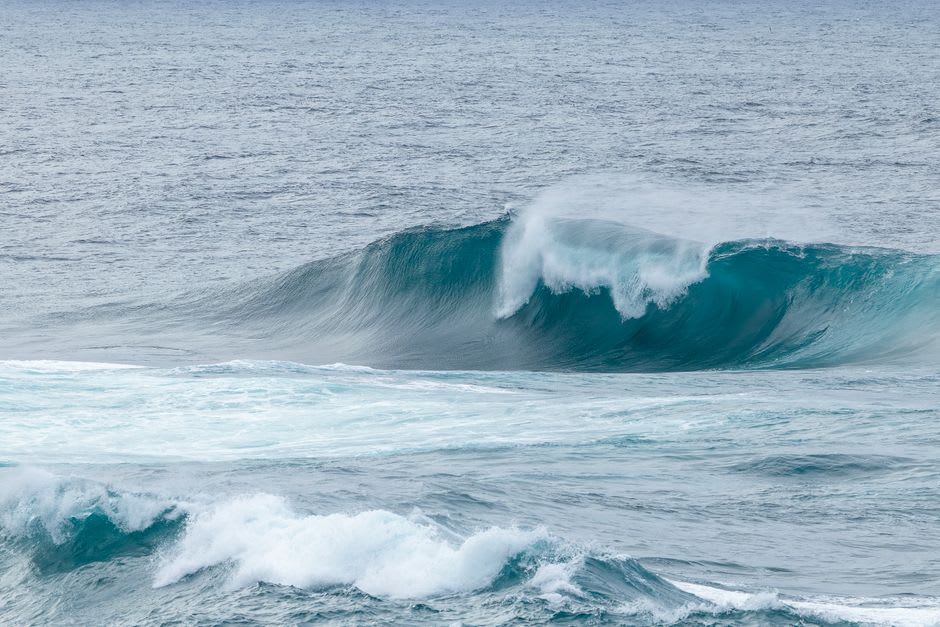
The south coast here isn’t calm, swimmable Bali-style water — the Indian Ocean swells hit this shore with real force, and the Nyai Roro Kidul legend, with its warnings against wearing green near the water, isn’t purely folkloric color; the currents genuinely kill people most years, and locals take the taboo seriously. It gave the whole coastline an edge that the manicured highland side of the district doesn’t have, and I liked it for that — Sukabumi doesn’t try to be gentle everywhere.
When to go: June to September for driest highland trails and clearest waterfall flow; turtle nesting at Pangumbahan runs roughly May to August, with hatchling releases most reliable in that window.