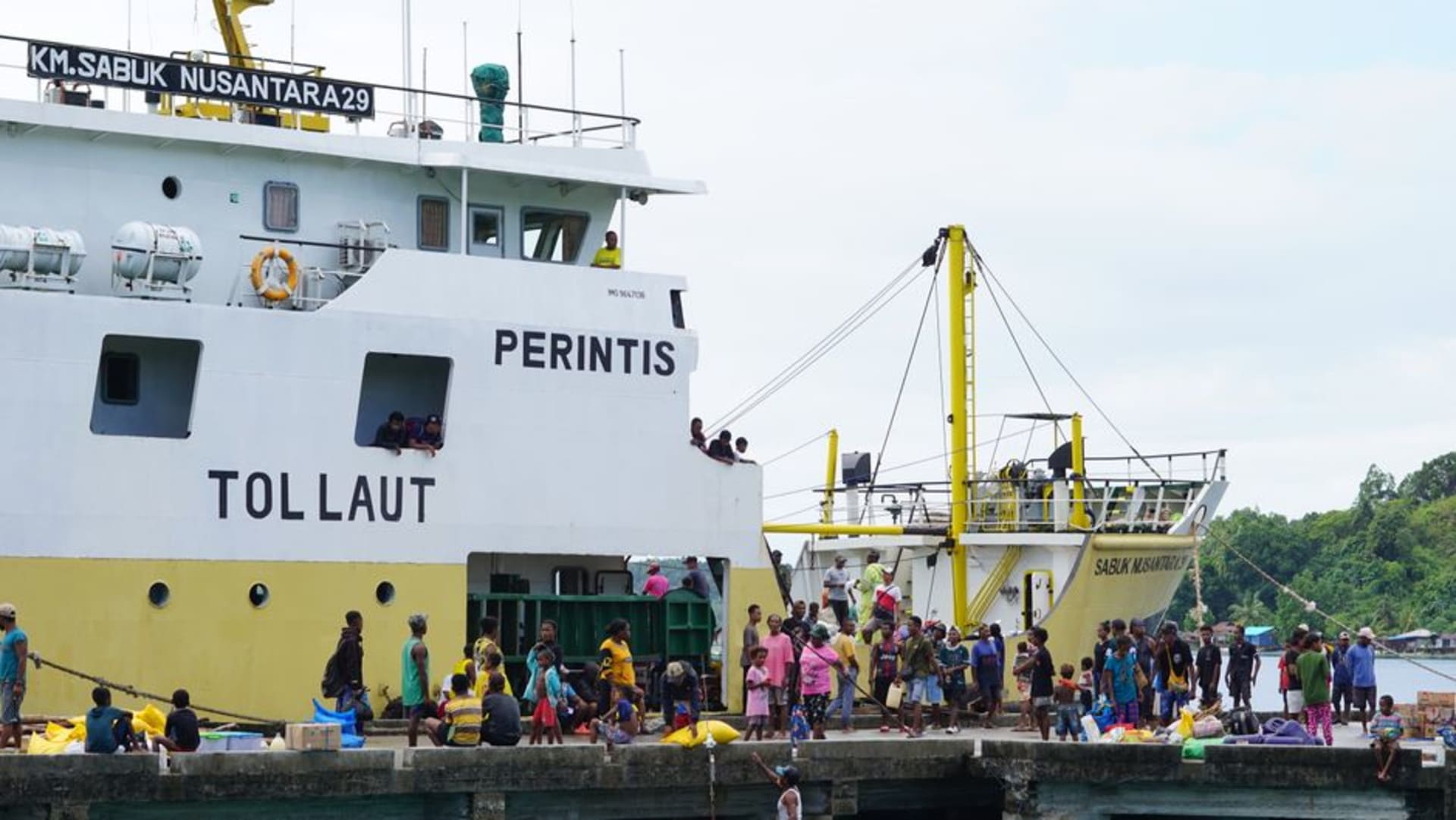
The scruffy port town everyone rushes through on the way to Raja Ampat — I made myself stay long enough to actually look at it.
Every traveler bound for Raja Ampat treats Sorong the same way: a necessary inconvenience between the airport and the ferry terminal, a place to be endured for a few hours and forgotten. I did that trip too, the first time. The second time, I gave myself two full days in Sorong itself, and I’m glad I did, because it’s a far stranger and more interesting town than its reputation as a mere gateway suggests.
Sorong is the industrial capital of Southwest Papua, built on oil. The Dutch established a refinery here in the 1930s, and Pertamina still runs operations that dominate the local economy — you can smell it faintly on certain streets, a mineral tang under the usual coastal humidity. This isn’t a place that has curated itself for visitors. The waterfront near the port is a working chaos of cargo boats, fish markets, and the ferries that leave for Waisai and the outer islands, loaded improbably high with motorbikes and sacks of rice. I liked watching it more than I expected to; there’s an honesty to a town that exists for logistics rather than photographs.
A crossroads of Papuan cultures
What Sorong does have, beneath the industrial surface, is one of the most ethnically layered populations in Papua. Migrants from across Indonesia — Javanese, Bugis, Moluccan — have settled here for generations alongside indigenous Moi and other Papuan groups, and the city’s markets reflect that mix in ways more interesting than any museum display. At Pasar Boswesen, I found stalls selling smoked mangrove crab and sago pancakes next to others selling Javanese fried tempeh, the vendors switching between Papuan Malay and Bahasa Indonesia depending on who they were talking to.

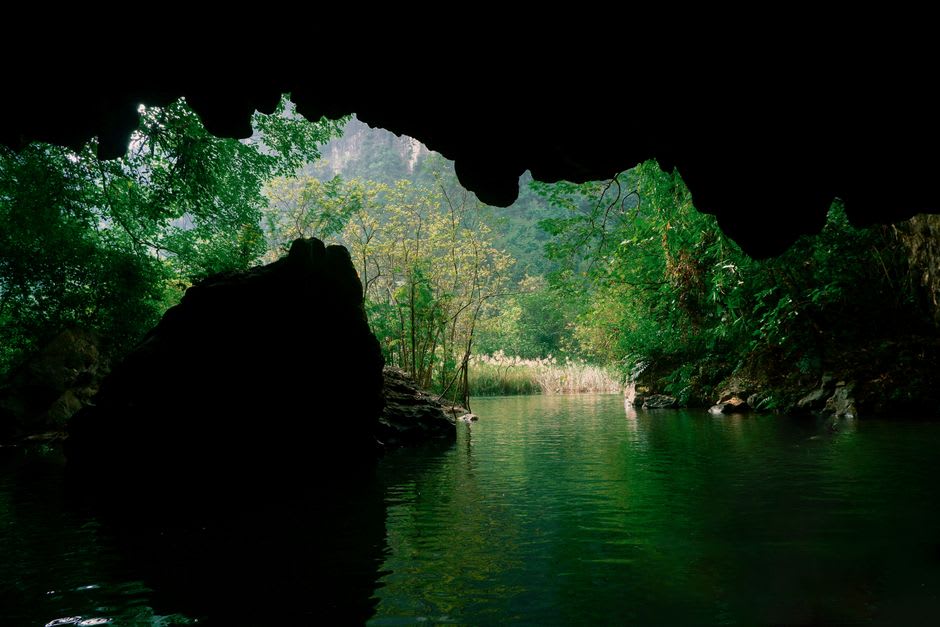
The Klasow Valley, a couple of hours inland, is where I finally understood why some travelers extend their Sorong stopover into a proper visit. It’s a limestone karst landscape of caves and rivers running through dense forest, with waterfalls that locals will guide you to for a fraction of what a Raja Ampat day trip costs. Klabili Cave, with its underground river you can wade or swim through by torchlight, was one of the more genuinely eerie things I’ve done on this trip — bats overhead, the water cold enough to sting, and not another tourist for miles.
By the time I actually boarded the ferry to Raja Ampat, I’d stopped thinking of Sorong as a waiting room. It’s a real Papuan city with its own texture, its own grievances, its own rhythms — and treating it as disposable, the way most itineraries do, means missing a genuine piece of how this part of Indonesia actually functions day to day.
When to go: Any time works for the town itself, but pair your visit with the dry season (May–October) if you’re combining Sorong with onward travel to Raja Ampat or the Klasow Valley, when roads and boat crossings are most reliable.