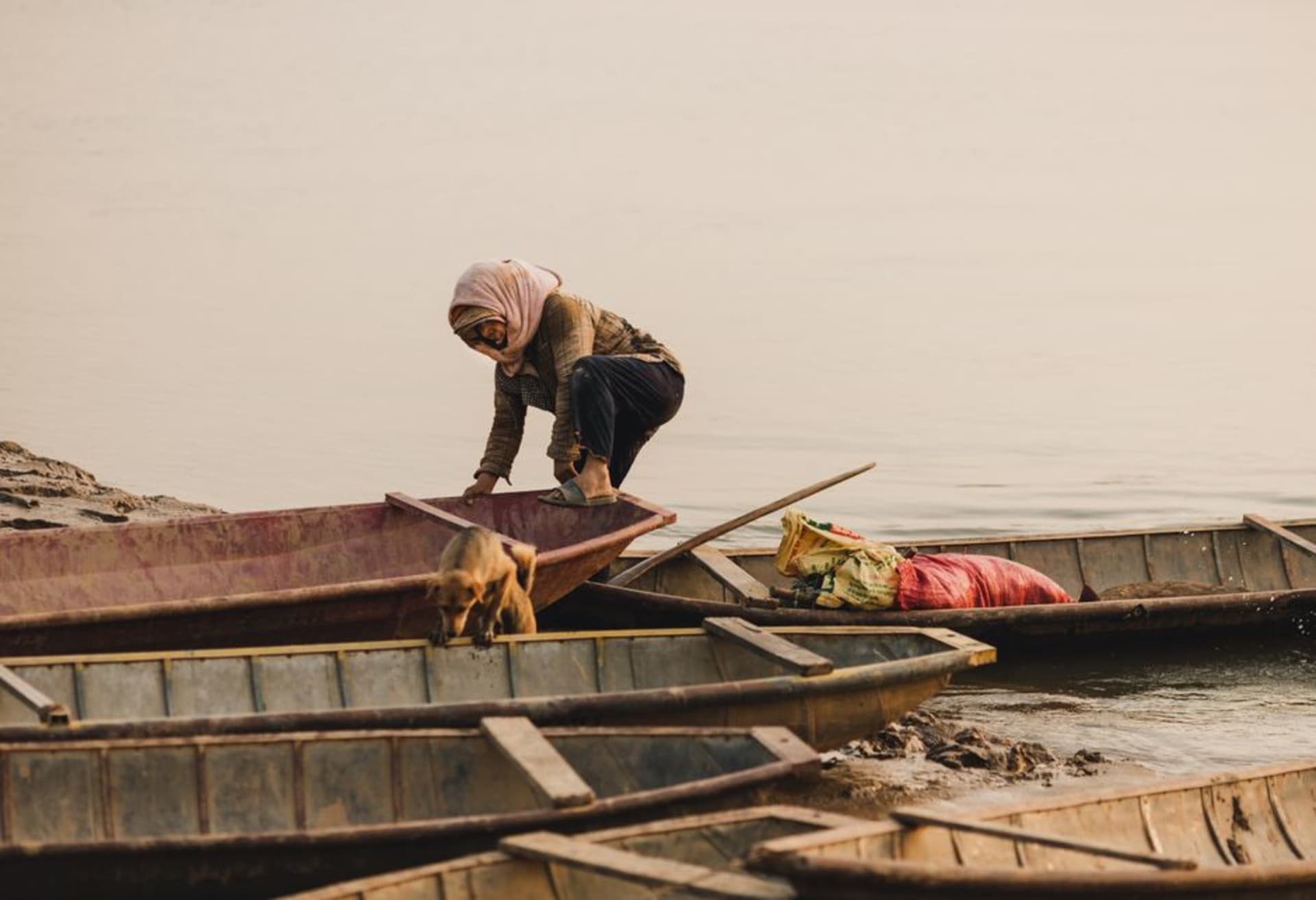
A river city that never bothered dressing up for tourists — and is more honest for it.
Samarinda doesn’t try to charm you, and after weeks of Bali’s practiced hospitality, I found that almost a relief. This is the capital of East Kalimantan, a sprawling port city of well over 800,000 people strung along both banks of the Mahakam River, and it exists primarily because of what moves through it: coal barges stacked absurdly high, timber, palm oil, and the constant traffic of ferries and wooden riverboats called ces that shuttle people across water too wide and busy to bridge easily everywhere. Nobody built Samarinda for visitors. You come here because it’s the gateway upriver into Kalimantan’s interior, and then you discover the city has its own gravity.
The Mahakam is the reason the city exists at all, and it dominates every sense you have of the place. Stand on the Mahakam Ulin Bridge or the newer Kutai Kartanegara-adjacent crossings at dusk and watch the water turn copper while dozens of vessels — from coal-hauling tugs to family-sized klotoks headed for villages days upstream — cut wakes across each other with a confidence that looks like chaos and isn’t. The river has shaped Kalimantan’s history for centuries; the Kutai Kingdom, one of the oldest known Hindu kingdoms in the archipelago, dating to around the 4th century CE, was centered further up this same waterway, its existence confirmed by inscribed stone pillars called yupa that are among the earliest written records anywhere in Indonesia.
Islamic Center and the market at the water’s edge
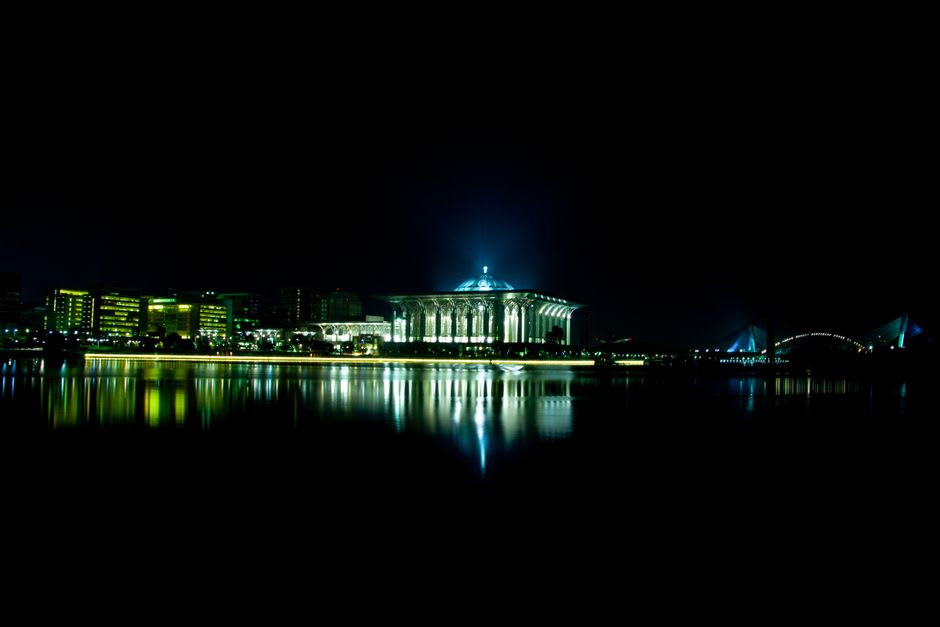
Samarinda’s most striking landmark by far is the Islamic Center Samarinda, a vast mosque complex completed in the 2000s whose main dome and four soaring minarets sit directly on the riverbank, visible from almost anywhere downtown and doubling as the city’s unofficial skyline. It’s one of the largest mosques in Indonesia outside Java, built with a scale that feels almost defiant for a city this far from the country’s usual tourist circuit, and at night it’s lit in a way that turns the whole riverfront into something closer to a stage set.
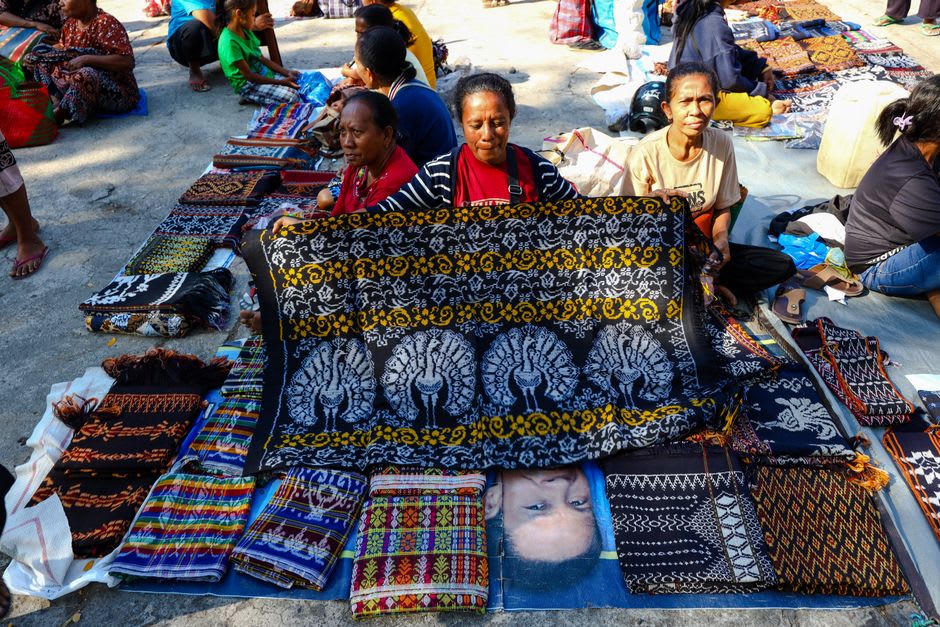
Pasar Pagi, the morning market that sprawls through the old commercial quarter near the river, is where the city actually reveals itself. Traders from Bugis, Banjar, and Dayak backgrounds sell everything from river fish still twitching in shallow basins to sarung Samarinda, the tightly woven plaid sarongs the city is regionally famous for, produced on backstrap looms by families who’ve been weaving the same patterns for generations. I bought one I still haven’t figured out how to wear correctly, and the woman who sold it to me laughed for a solid minute demonstrating.
Most travelers treat Samarinda purely as a logistics stop before heading up the Mahakam toward Dayak longhouse villages or overland to Kutai National Park, and functionally that’s true — it is the hub. But give it a day on its own terms and you get a genuine, unpolished slice of Kalimantan urban life: the smell of grilled river fish and coal dust, the call to prayer bouncing off water, ferries that leave when they’re full rather than on any published schedule.
When to go: May through September is driest and most comfortable for exploring on foot or by river; this is also the season when upriver connections toward the Mahakam’s interior villages run most reliably.