Palembang
"This is the oldest city I've stood in that nobody I know back home has ever heard of."
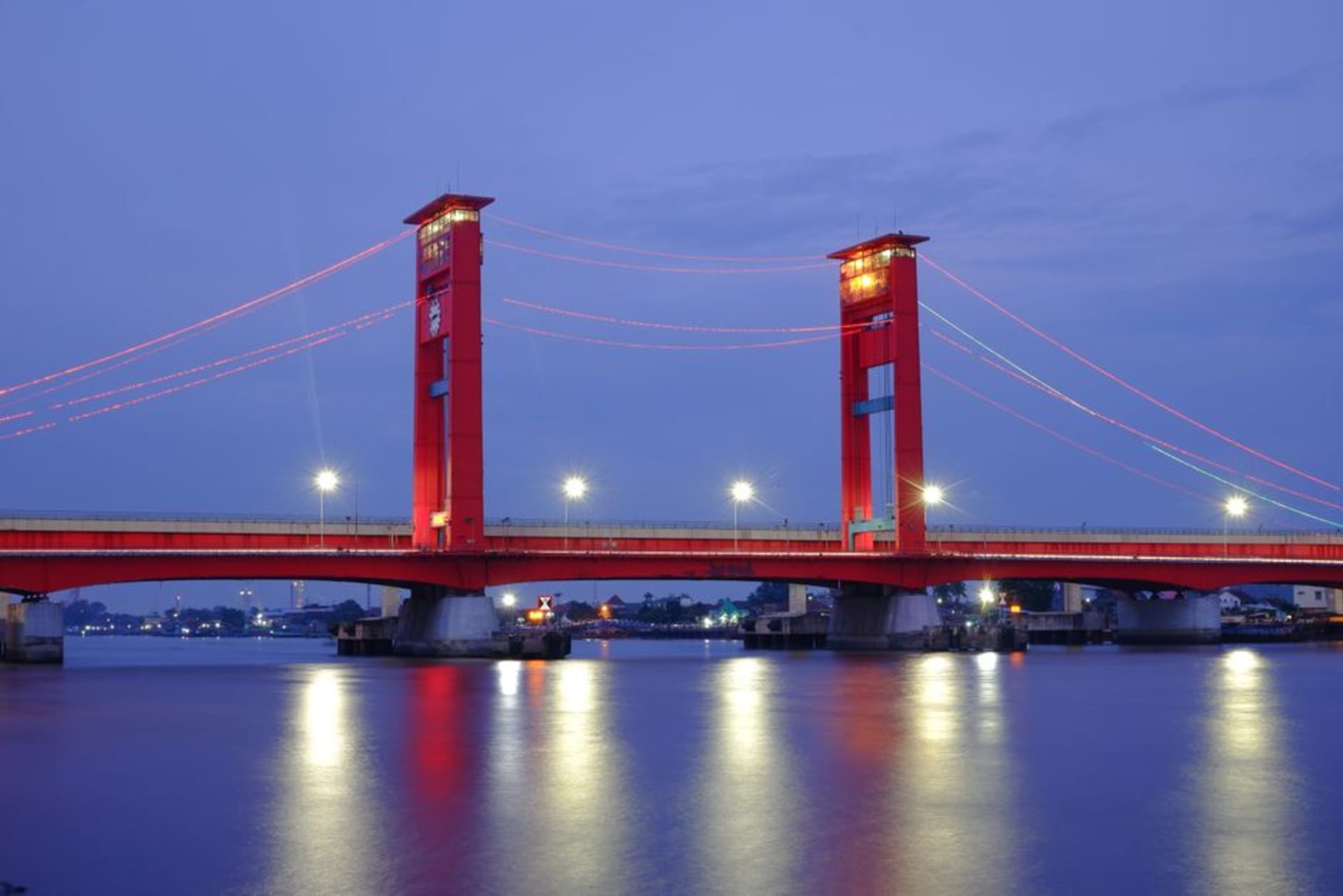
The old capital of a maritime empire that once controlled the spice routes, now a river city where you eat pempek on a floating restaurant and watch the Ampera Bridge light up over the Musi.
Palembang doesn’t advertise its own significance, which is part of what caught me off guard. This unassuming, humid, traffic-choked city on the Musi River was, by most historians’ reckoning, the capital of Srivijaya — a Buddhist maritime empire that from roughly the 7th to the 13th century controlled trade through the Strait of Malacca, drew scholars and pilgrims from across Asia, and for a time was one of the most important centers of Buddhist learning outside India. The Chinese monk Yijing stopped here in 671 CE on his way to study at Nalanda and stayed over a thousand people were reportedly studying Buddhist texts in Palembang when he passed through, according to his own account. Almost none of that empire survives above ground — Srivijaya built in wood and brick that the tropical climate has long since reclaimed — so what you’re left with in Palembang is a strange, quiet feeling of walking over the buried floor plan of a civilization, with the Musi River doing the only continuous work of connecting that past to the present.
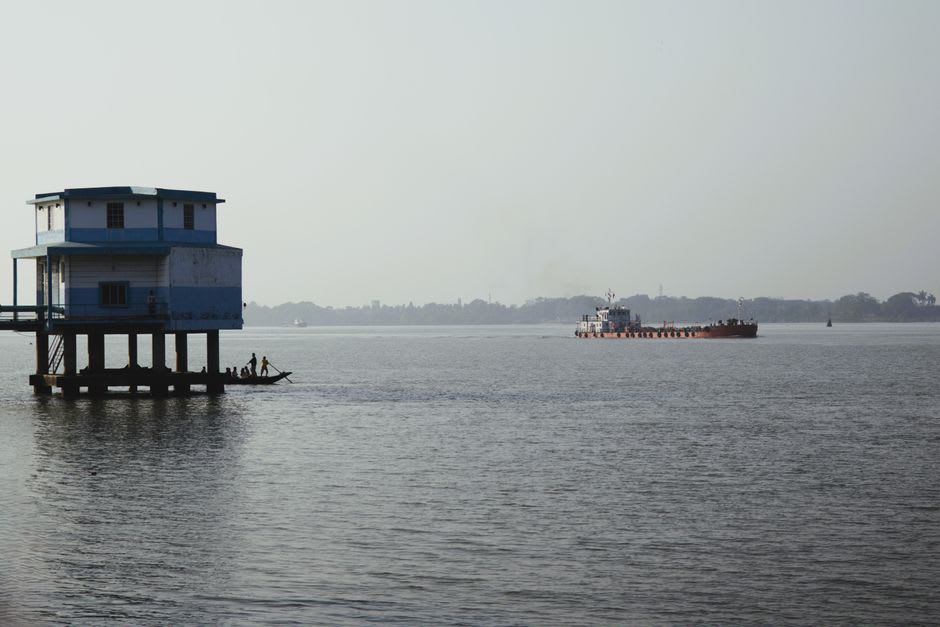
The river is still the reason the city exists. Everything of consequence in Palembang orients toward the Musi — the fish markets, the stilted kampung houses along its banks, the barges hauling coal and palm oil downstream from the interior of South Sumatra. The Ampera Bridge, completed in 1965 with war reparations from Japan, spans the river in the city center and has become Palembang’s defining image, especially at night when it’s lit in shifting colors and reflected in the water below. I ate dinner one evening on a rakit, a floating restaurant moored near the bridge, watching fishing boats work the current in the fading light — genuinely one of the better unplanned evenings I’ve had anywhere in Indonesia.
Pempek and the taste of a trading port
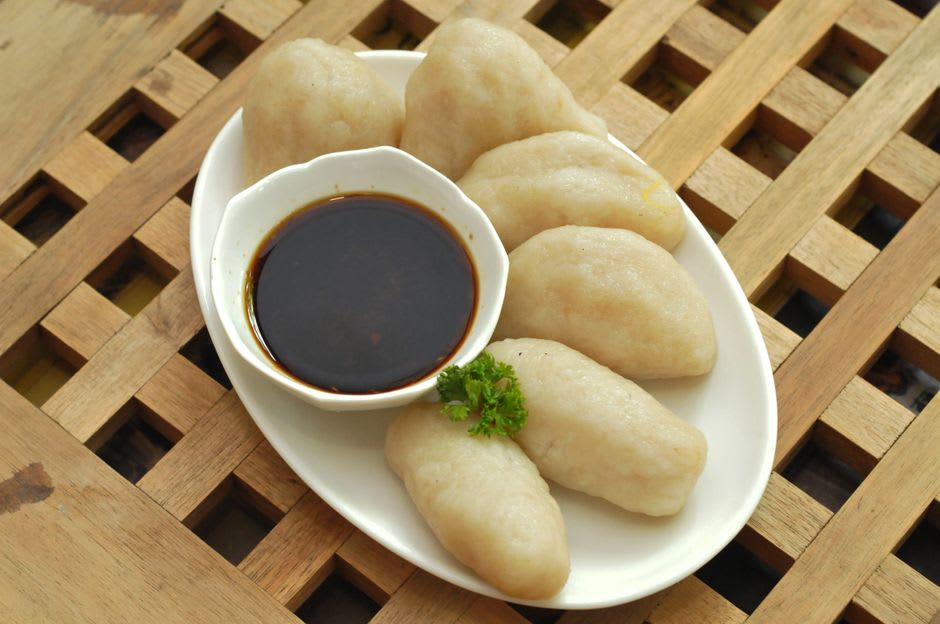
If Palembang is known for one thing among Indonesians who’ve never been there, it’s pempek — a dish of fish and tapioca dumplings, usually made from tenggiri (mackerel), fried and served in a dark, tangy-sweet vinegar sauce called cuko that’s spiked with chili and tamarind until it makes your eyes water in the best way. The dish’s origins get traced back to Palembang’s Chinese trading community, which settled along the Musi generations ago, blending Chinese fish-cake techniques with local ingredients into something now claimed proudly as regional identity. I ate pempek at a plastic-table warung near Pasar 16 Ilir with a printout menu of a dozen variations — kapal selam with a whole egg inside, adaan shaped small and craggy, lenjer cut into rounds — and it remains one of the few dishes I’ve actively sought out again on a later trip through Sumatra.
The city’s Islamic-era history sits layered on top of its Buddhist past: the Sultanate of Palembang Darussalam, which rose after Srivijaya’s decline and later fell to Dutch colonial forces in the early 19th century, left behind the Kuto Besak fortress on the riverbank and the Sultan Mahmud Badaruddin II Museum, which does an honest job of tracing that royal history through to the sultanate’s eventual dissolution in 1823. Just outside the city, the Bukit Siguntang complex — a low hill considered sacred since Srivijaya times and linked in Malay legend to the founding ancestors of several regional royal lines — is a genuinely peaceful place to sit for an hour, away from the honking of the city below.
When to go: May through September avoids the heaviest rains; try to time a visit around river-based festivals if you can, when the Musi genuinely becomes the city’s main stage rather than just its backdrop.