Padang Bai
"A ferry port that turned out to have better snorkeling than most of the beaches I'd flown here for."
A working harbor town that never bothered to dress up for tourists, and is better for it.
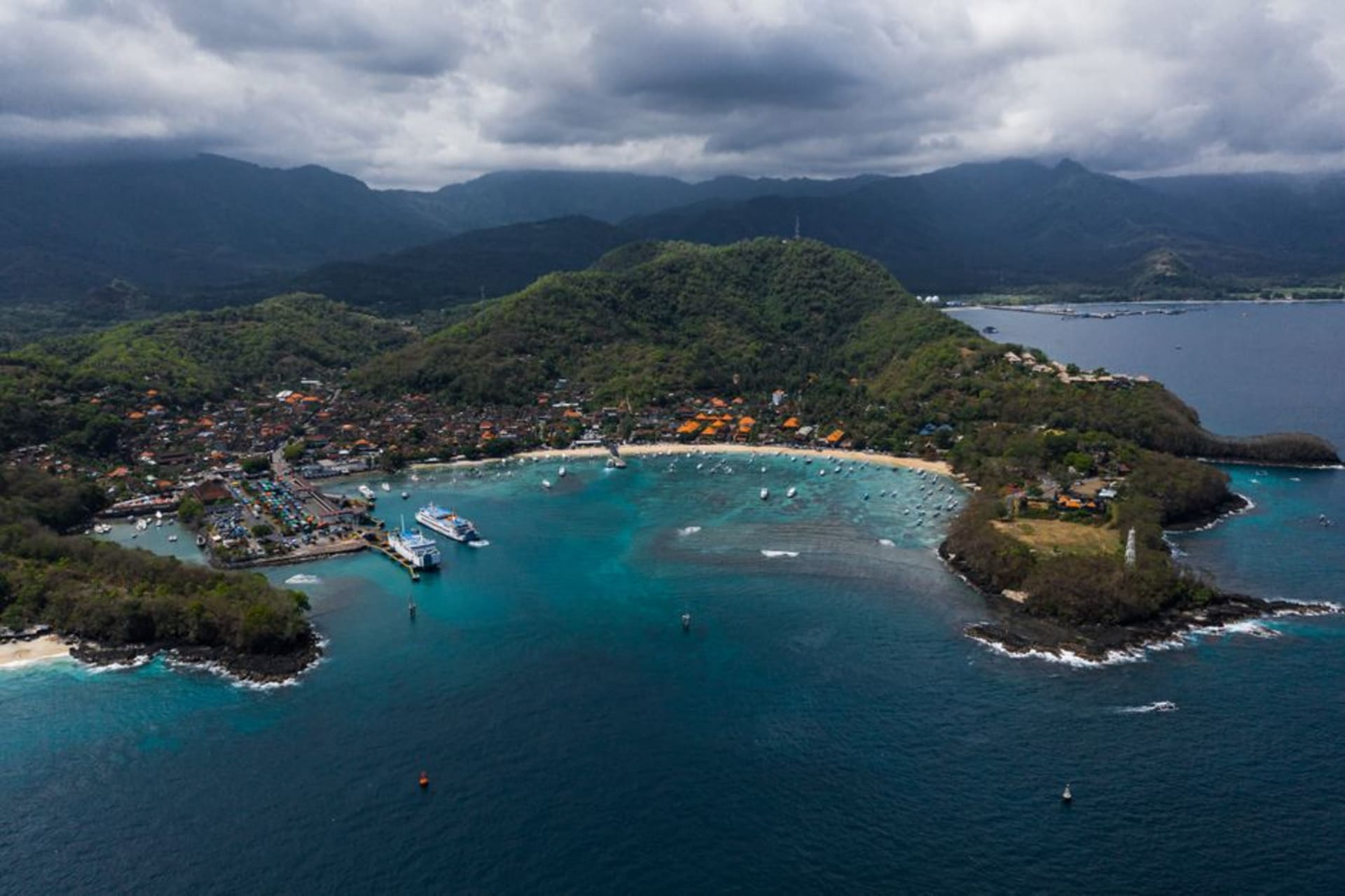
Most people pass through Padang Bai without ever really arriving — it’s the ferry terminal for Lombok and the Gili Islands, and the harbor is where you catch a boat rather than where you stay. I did that for a year before finally spending three nights there and realizing I’d been treating a genuinely good place as a transit hub. The town sits in a small horseshoe bay on Bali’s east coast, ringed by hills that keep it sheltered and a little apart from the main coastal road, and that geography is exactly why it still feels unpolished in a way that Kuta or Seminyak abandoned decades ago.
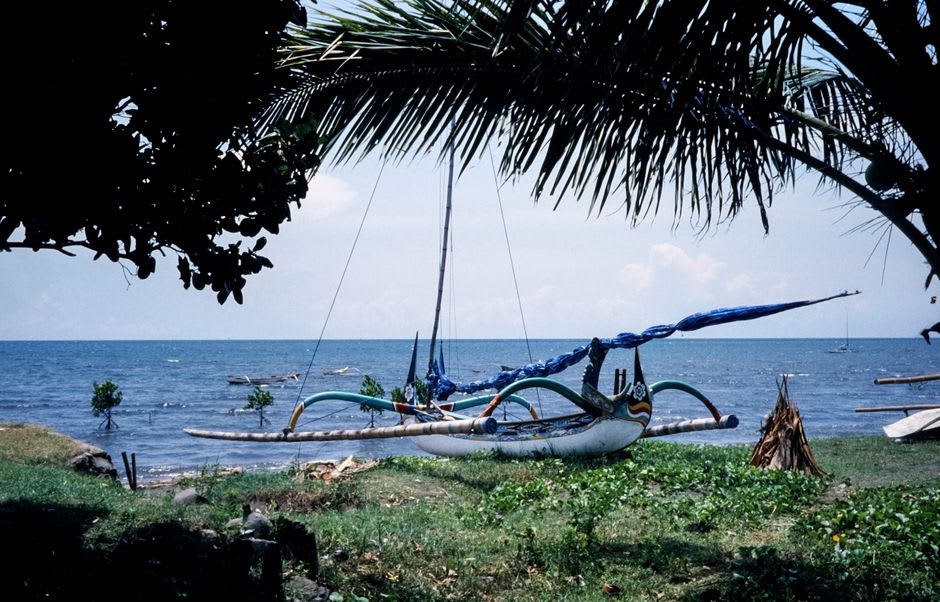
The harbor itself is a working one — brightly painted jukung fishing boats bob alongside the larger public ferries and the fast boats headed to the Gilis, and the whole scene operates on its own unhurried rhythm regardless of the tourist schedule. Ferry touts will find you within about thirty seconds of arriving, and the negotiation over fast-boat tickets is a small ritual you just have to accept. But past the terminal, the town proper — really just a few streets of warungs, dive shops, and guesthouses — has a low-key, slightly scruffy charm that reminded me more of a fishing village in the Philippines than anywhere else in Bali.
Blue Lagoon and the reefs nobody talks about
The real reason to slow down here is what’s in the water. Blue Lagoon Beach, a short walk or cheap boat ride around the headland, has some of the clearest water and healthiest coral I found anywhere on Bali’s mainland coast — a real surprise on an island where most of the accessible reefs near the tourist centers have taken a beating. The bay’s sheltered shape keeps the water calm most of the year, and reef fish congregate close to shore in numbers that don’t require a boat trip to see. Bias Tugel, a small crescent of white sand reached by a short cliffside trail south of the harbor, is quieter still — no beach clubs, no sunbeds-for-rent hustle, just a strip of sand backed by dry scrub hillside.
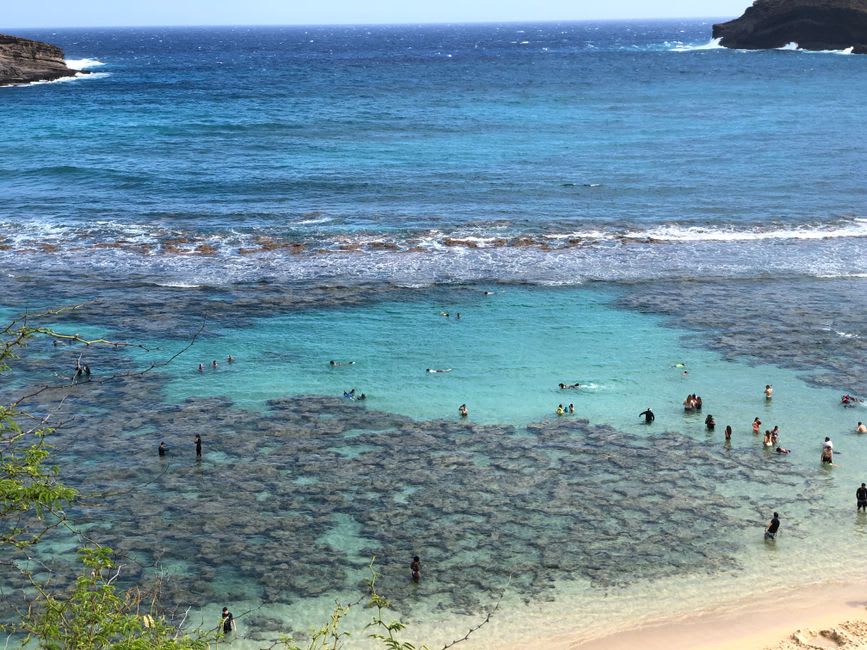
Padang Bai has also quietly become one of Bali’s more serious dive bases, largely because of what’s offshore: strong currents funnel nutrient-rich water through the Lombok Strait, drawing pelagic species that don’t show up in the calmer waters further west. Mola mola — the ocean sunfish, an odd, flattened giant that can weigh a thousand kilograms — pass through seasonally, and the dive operators here have built a real local expertise around finding them, along with reef sharks and the eerie, current-swept topography of sites like Blue Lagoon and Jepun. It’s a different kind of diving than the manicured house reefs elsewhere on the island — colder, more current, more genuinely wild.
At night the town’s small strip lights up with simple seafood grills — fish straight off the boats you watched come in that afternoon, cooked over coconut-husk charcoal and served with sambal that varies from stall to stall in ways that matter more than they should. It’s not a place for a big night out. It’s a place to eat well, sleep with the window open to the sound of the harbor, and catch an early boat the next morning — or, if you’ve figured out what I eventually did, just stay.
When to go: April to October for calm seas and good visibility for diving and snorkeling. Dry season also means smoother ferry crossings to the Gilis and Lombok, which can get genuinely rough in the wet months of December through February.