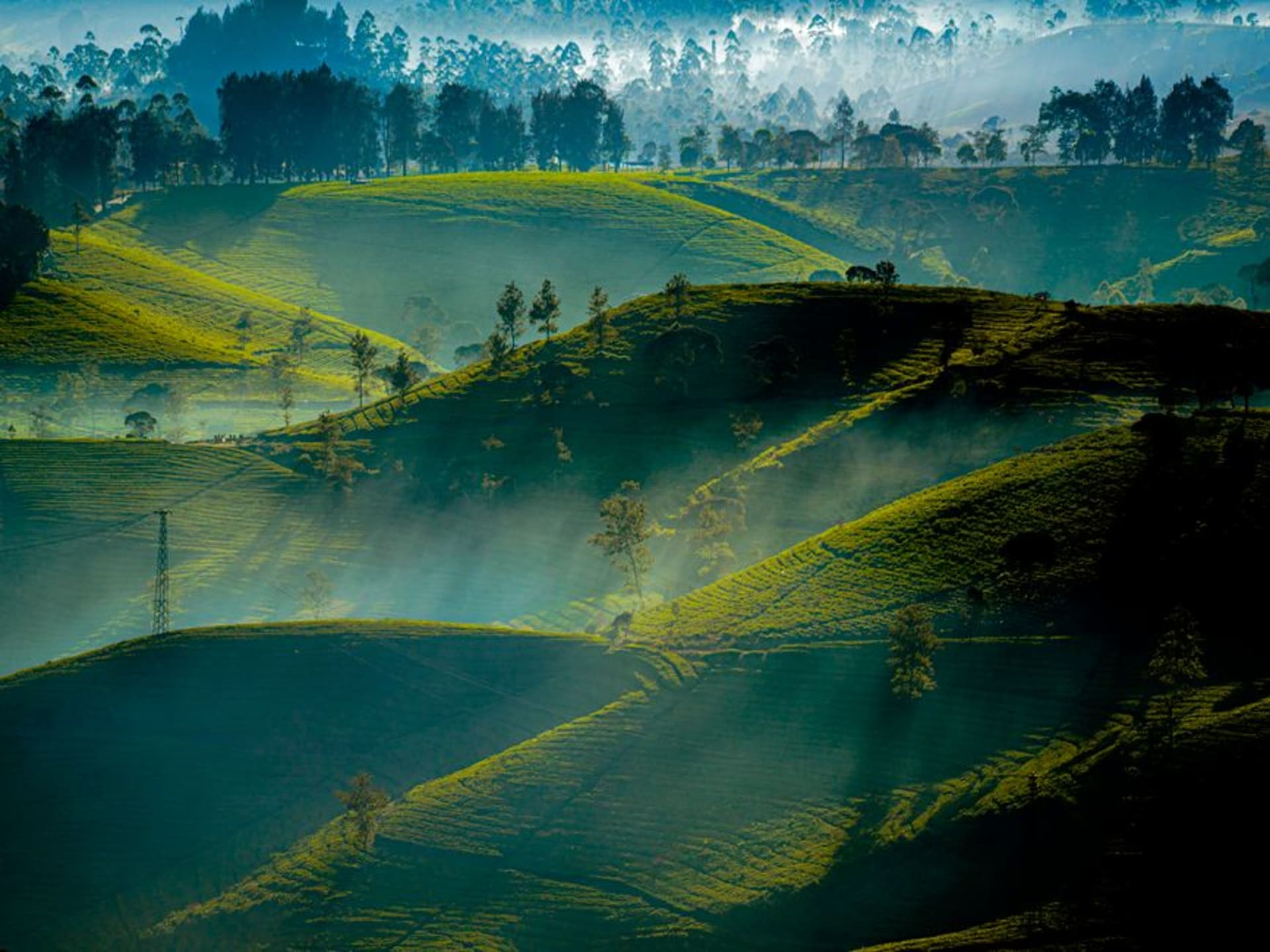
A cool, cloud-wrapped coffee village in Bali's northern highlands, where waterfalls outnumber tourists and the air finally smells like something other than incense and exhaust.
I hadn’t planned to bring a fleece to Bali, and I regretted that decision within an hour of arriving in Munduk. The village sits at around 800 to 1,000 meters in the volcanic highlands of Buleleng regency, on the ridge separating the twin crater lakes of Tamblingan and Buyan from the island’s northern coast, and the temperature drop from the lowlands is dramatic enough that locals wear jackets in the evening while tourists an hour south are still sweating through linen shirts. The clouds roll up the valley most afternoons and sit low over the ridge, turning the whole village into something closer to a hill station in the Western Ghats than the Bali of postcards.
The Dutch understood the appeal of this cool air a century ago — Munduk was developed as a colonial retreat in the early 1900s, and the plantation economy they installed here, coffee, cloves, cacao, vanilla, is still what the village runs on. Walk any of the trails outside town and you’ll pass smallholder plots where clove buds dry on tarps by the roadside and robusta coffee cherries ripen under a canopy of taller shade trees, a farming system that’s changed remarkably little in a hundred years. I stopped at a small family operation where a woman was hand-sorting green coffee beans on a woven tray, and she let me try roasting a batch over a wok on an open flame — the kind of thing that would be a staged “experience” anywhere further south and here was just Tuesday.
Waterfalls without the queue
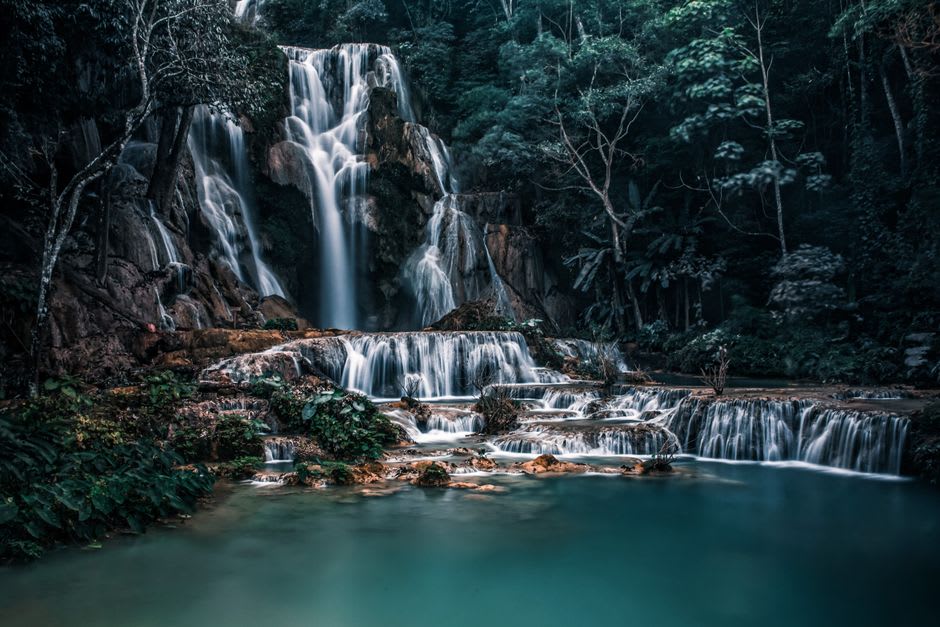
Munduk’s other claim to fame is water. The whole ridge is laced with waterfalls fed by the crater lakes and the region’s heavy rainfall — Munduk Waterfall itself, along with the nearby Golden Valley and Melanting falls, are reachable on trails that wind through clove plantations and thick forest, and on the weekday morning I hiked out to Munduk Waterfall I had the entire pool at its base to myself. That’s genuinely rare in Bali by 2026, where most cascades within an hour of Ubud now come with a ticket booth, a queue for the photo spot, and a rented sarong. Here the trail markers are hand-painted and half the time you’re following the sound of the water more than any sign.
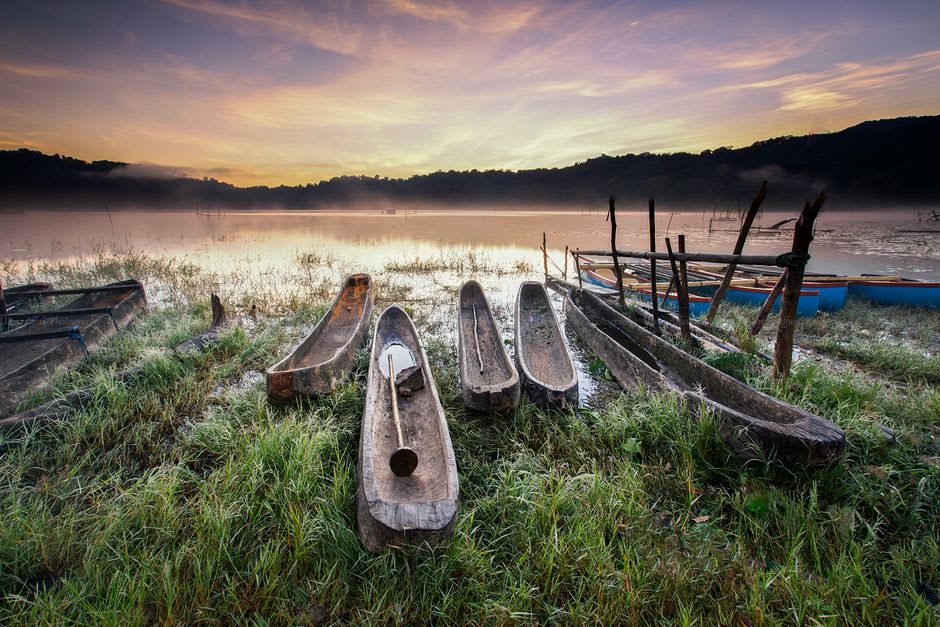
Lake Tamblingan, a short drive below the village, is treated as sacred by the surrounding communities, and traditional dugout canoes are still the only way locals fish its still, forest-ringed water — no motorized boats allowed. I paid a local guide a modest fee to paddle me across at dawn, mist still sitting on the water, and the silence out there, broken only by the paddle and the occasional bird, was the quietest Bali got for me in three weeks on the island.
When to go: April to October, during the dry season, for clearer trails and better visibility over the lakes — the wet season here is genuinely wet, given the elevation and rainfall the region is known for. Mornings are consistently clearer than afternoons, when the cloud cover rolls in.