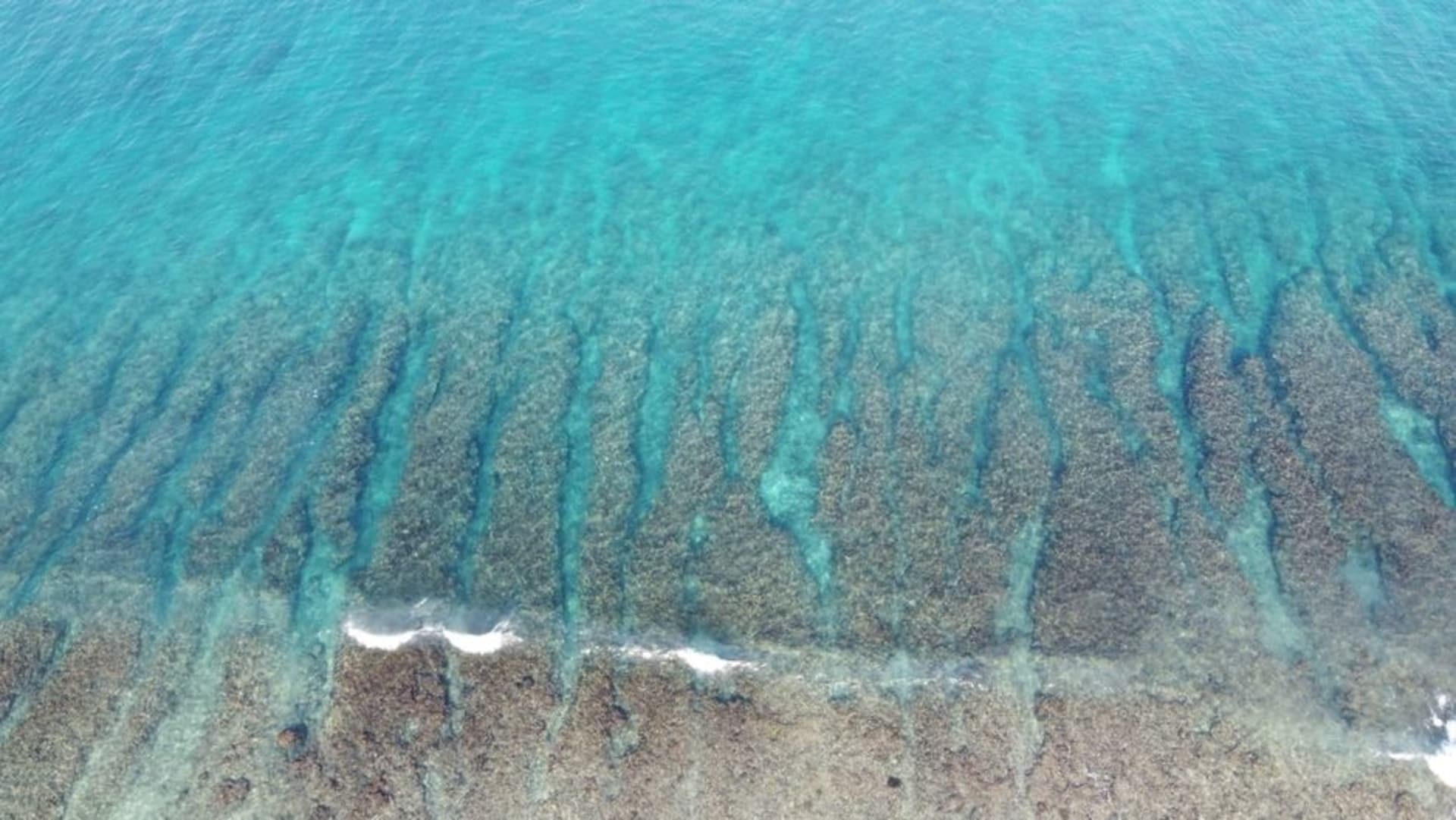
Moyo Island
"The island the Queen of England slept on, and somehow nobody built a resort chain to ruin it."
A former royal hunting ground turned marine reserve, where waterfalls empty into pools the color of green glass and the reef starts a few strokes from the sand.
I got to Moyo the unglamorous way — a rattling wooden boat out of Labuhan Sumbawa Besar, engine coughing black smoke, my bag wedged between a sack of rice and a cage of chickens. It took almost two hours to cross the strait, and by the time the boatman cut the motor off Tanjung Pasir, I understood why so few people bother. Moyo sits off the north coast of Sumbawa, one island east of Lombok and worlds away from its beach clubs and surf breaks. There is no ferry schedule to speak of. You go because someone told you about it, or you don’t go at all.
The island was a royal hunting reserve under the Sultanate of Sumbawa long before it was a nature reserve on paper, and the Indonesian government formalized that protection in 1986, designating most of the interior as Taman Buru — a wildlife park still stocked with deer descended from the sultan’s imported herds. Diana, Princess of Wales, famously stayed here in 1993, at a tented camp on the island’s south side, and the story has calcified into local legend the way these things do, repeated by every guide with a mix of pride and mild exasperation, because it’s the one fact about Moyo that ever reaches the outside world.
Mata Jitu and the reef at Tanjung Pasir
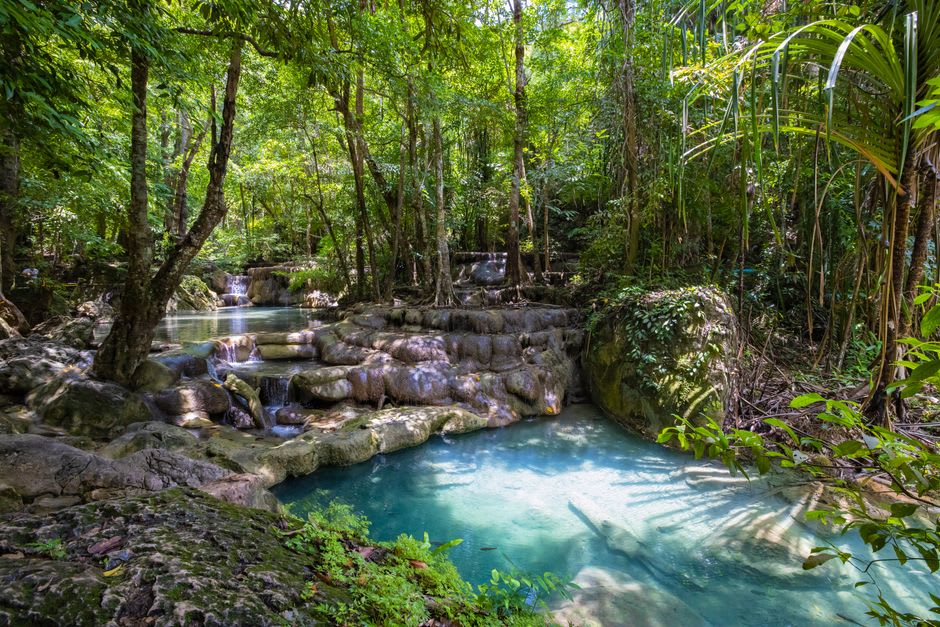
The waterfall everyone comes for is Mata Jitu, a series of limestone pools stepping down through the jungle on the island’s eastern side, the water so mineral-clear it looks tinted rather than merely clean. I hiked in from the coast with a local guide who stopped every ten minutes to point out hornbills — Moyo has a resident population of the endemic Sumba hornbill’s cousins, though he was more interested in showing me where the deer come down to drink at dusk. The upper pools are for swimming; the lower ones, according to him, are for offerings, and there were indeed small bundles of flowers wedged into rock crevices, left by fishermen asking for a good season.
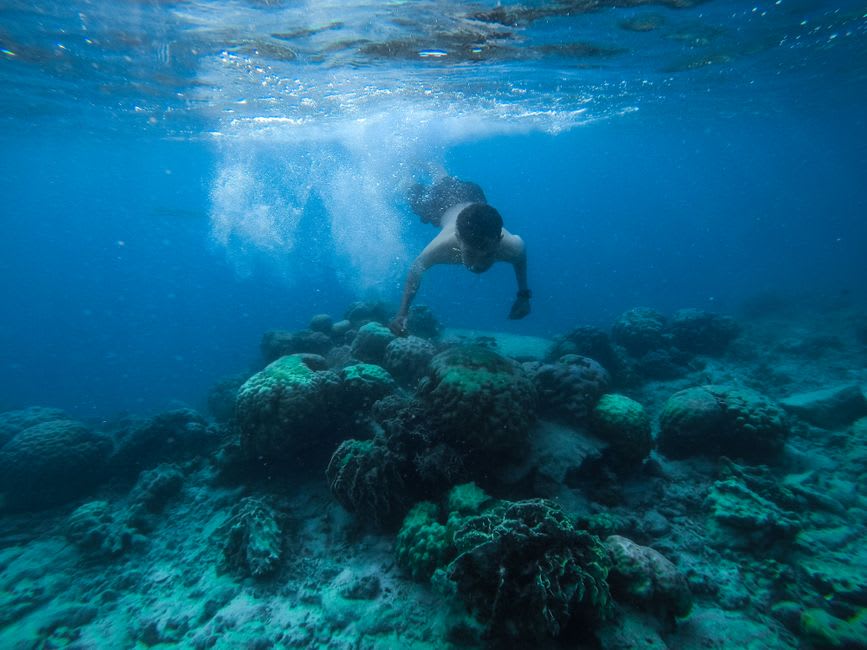
The diving is the part I wasn’t prepared for. The reef wall off the island’s western shore drops fast into deep water, and because Moyo sits at the edge of the Flores Sea’s currents, the visibility and the fish life rival anything I saw further south in Komodo — without a single other boat in the water. I went out with a small dive outfit working out of a beach camp, and we saw reef sharks twice in one afternoon, along with turtles that didn’t bother swimming away, unbothered by boats that so rarely come.
What stayed with me wasn’t the waterfall or the reef individually, but the total absence of infrastructure around either. There’s no boardwalk to Mata Jitu, no dive shop strip, no beach bar playing the same six reggae songs. A handful of eco-lodges and one high-end tented camp operate on the island, and that’s essentially it. Sumbawa itself remains one of the least-visited large islands in Indonesia, overshadowed by Bali and Lombok to its west and the Komodo dragons to its east, and Moyo inherits that obscurity. I met a French couple who’d been coming for a decade and asked them, half-joking, if they’d rather I not write this at all. They didn’t laugh.
When to go: April through October, during the dry season, when the crossing from Sumbawa is calmer and the waterfall pools run clear rather than churned with runoff.