Merauke
"The town where Indonesia's day begins, and where it stops feeling like Indonesia at all."
Indonesia's easternmost city, where the sun rises first, the savanna looks nothing like the rest of the archipelago, and Australia feels closer than Jakarta.
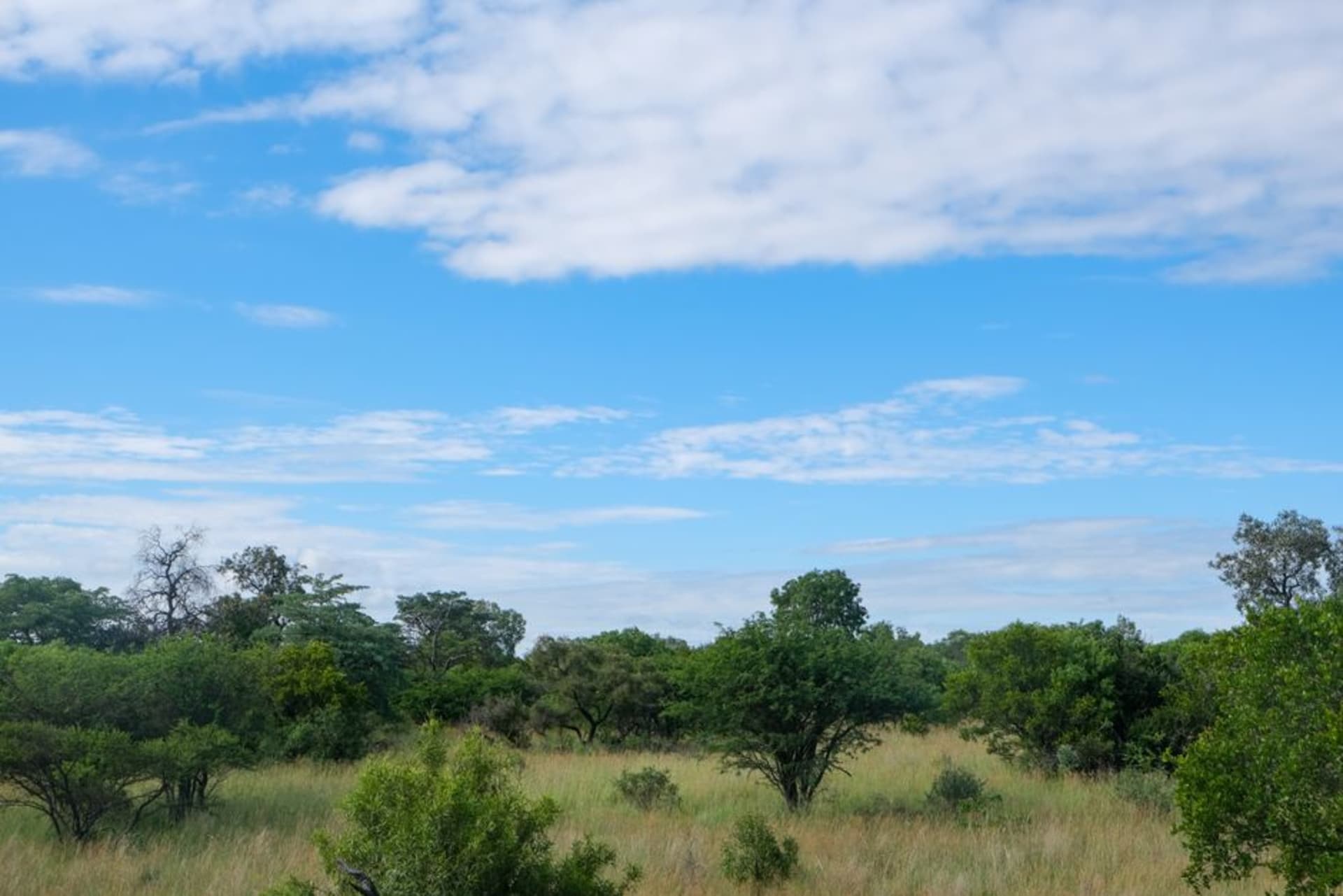
Merauke sits at the far southeastern tip of Papua, so close to the Papua New Guinea border that I could have, in theory, walked to it from the edge of town in an afternoon. It’s the easternmost city in Indonesia, which means it’s also where the country’s sun rises first every morning — a small trivia fact that gets repeated on every road sign and municipal banner until it starts to feel like the town’s whole personality. There’s a monument, Tugu Kilometer 0, marking Indonesia’s easternmost point, and standing there, looking out at flat, mangrove-fringed coastline facing the Arafura Sea toward Australia, I felt further from the Indonesia I’d spent months in than at any other point on this trip.
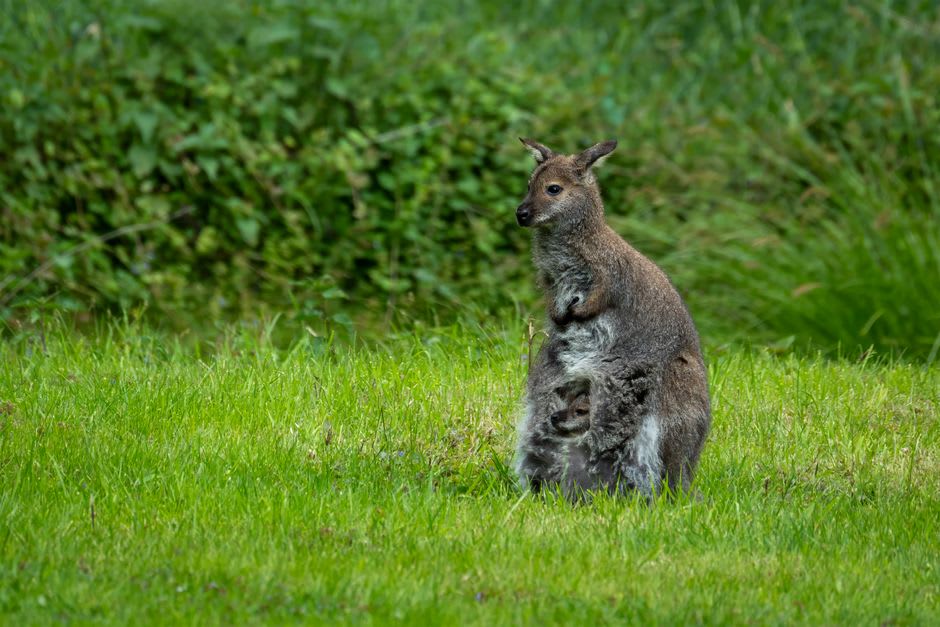
The landscape is the first shock. This isn’t the volcanic, densely forested Indonesia of Java or Sumatra. The Trans Fly ecoregion around Merauke is savanna — open grassland, eucalyptus woodland, seasonal wetlands — ecologically and visually closer to northern Australia than to the rest of the Indonesian archipelago, a reminder that Papua sits on a completely different tectonic plate and shares its deep biological history with Australia rather than Asia. Wasur National Park, just southeast of the city, protects a huge stretch of this savanna and wetland, and it’s one of the only places in Indonesia where I saw kangaroos — small agile wallabies bounding through grass under a startlingly wide, flat sky, alongside deer, wild pigs, and vast numbers of migratory waterbirds that funnel through the park’s wetlands during the dry season.
The Marind and a colonial mission history
The indigenous Marind people are the traditional custodians of this land, with a culture built around elaborate clan systems, totemic relationships with animals like the cassowary and crocodile, and ceremonial traditions that survived, if scarred, both Dutch missionary campaigns beginning in the early 1900s and the wrenching demographic shifts of the transmigration program that brought settlers from Java and other islands starting in the 1960s and 70s. Walking through Merauke’s markets, I noticed the layering plainly — Marind vendors selling sago and forest produce beside Javanese and Buginese traders, church bells and mosque calls both audible depending on the block, a town built from pieces that don’t always fit together comfortably but that coexist anyway.
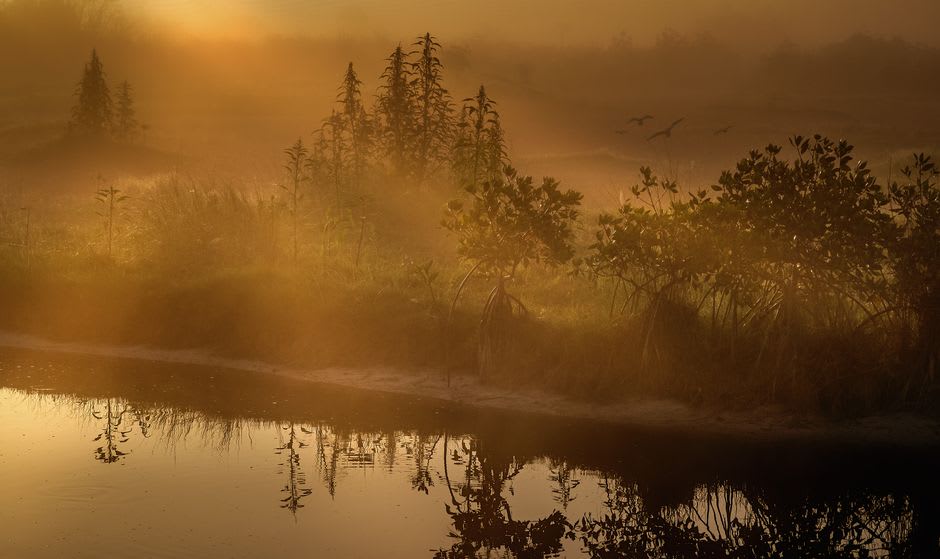
The Maro River, which cuts past the edge of town toward the sea, was where I spent one of the stranger evenings of this whole trip — hiring a small boat with a local fisherman, drifting past mangroves as thousands of flying foxes lifted off the treeline at dusk, silhouetted against a sky doing something spectacular with orange and violet that felt wasted on a town almost nobody visits.
Merauke isn’t an easy place to reach or a comfortable place to romanticize — it carries real, unresolved tension around land, resources, and Papuan autonomy that I won’t pretend to have understood in a week. But as a piece of geography, it recalibrated everything I thought I knew about what “Indonesia” looks like, and that alone made the long flight worth it.
When to go: June through October, the dry season, is best for visiting Wasur National Park, when wildlife concentrates around remaining water sources and wetland trails are passable.