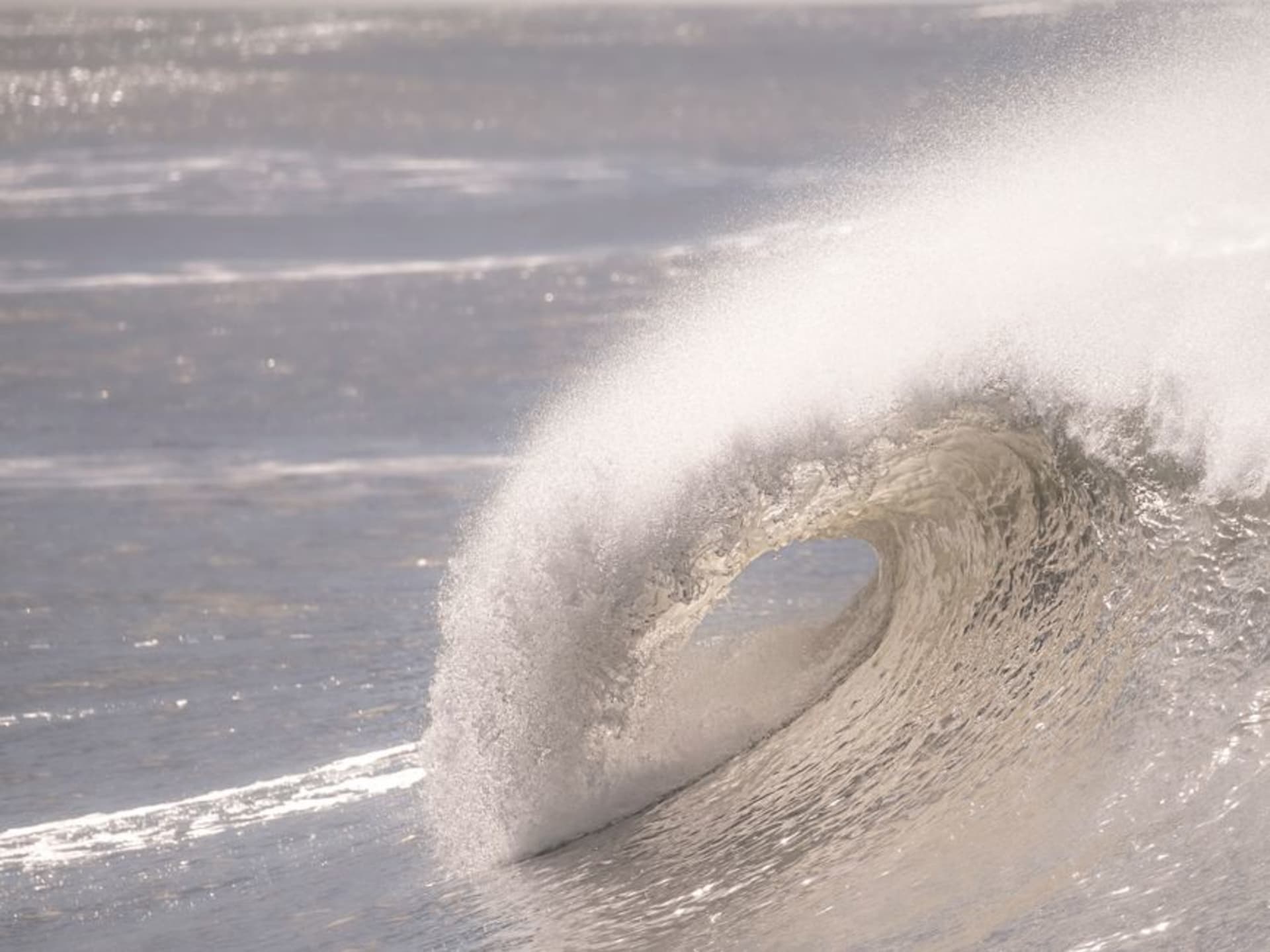
A chain of jungle-covered islands off Sumatra's west coast where world-class waves break over reefs and the Mentawai people still carve their spirituality onto their own skin.
I got to the Mentawais the slow way, which I’ve since learned is the only way anyone gets there — an overnight ferry out of Padang that left me green and sleepless by the time the silhouette of Siberut appeared through the haze. There’s a faster boat now, and speedboat charters run straight from the surf camps on the mainland, but that first crossing taught me something about these islands before I’d even set foot on one: they are genuinely separated from Sumatra, not just administratively but in feel. The strait between the mainland and the archipelago is deep and moody, and it has kept the Mentawai people — and their forests — isolated enough that both remain remarkably intact.
The islands are famous, of course, for the waves. Playgrounds like Macaronis and Lance’s Left have been drawing surfers since the late 1980s, when a small group of Australian and American surfers chartered yachts out of Padang and found reef breaks nobody had ever ridden. Now there are boat operators and land camps scattered across Siberut, Sipora, and the two Pagai islands, catering to a global surf pilgrimage that peaks between April and October when the Indian Ocean swells line up cleanly on the outer reefs. I don’t surf well enough to have ridden anything memorable there, but I spent a week on a boat anchored off one of the breaks near Sipora just watching, and the quality of the waves is honestly beside the point when you’re also watching hornbills cross the channel between jungle-covered islands that have no roads.
The Sikerei and a culture apart
What pulled me deeper into Siberut, away from the surf camps, was the Mentawai people themselves — one of the oldest surviving indigenous cultures in Indonesia, believed to have inhabited these islands for thousands of years with minimal contact with the outside world until well into the 20th century. Traditional Mentawai belief centers on Arat Sabulungan, an animist worldview holding that every object — trees, rocks, tools, the human body — houses a spirit that must be kept in balance. The clearest expression of that belief is the practice that outsiders always ask about first: full-body tattooing, applied by a sikerei, a shaman-healer, using a thorn dipped in a mixture of soot and sugarcane juice, tapped into the skin by hand. The patterns aren’t decorative in the way we usually mean the word — they mark stages of life, clan identity, and a person’s harmony with the surrounding forest. Sikerei also wear their hair long and file their teeth into points, a practice tied to ideas of beauty that have nothing to do with anyone else’s aesthetic approval.
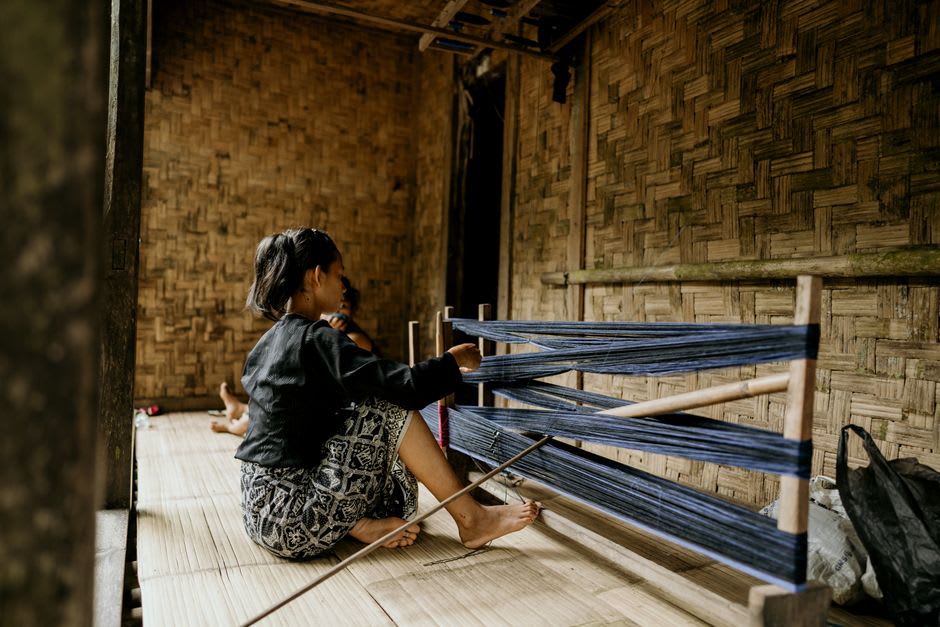
I stayed two nights in a uma, the traditional communal longhouse where an extended family lives together, with a local guide translating enough for me to understand that the healing rituals I was watching weren’t performed for my benefit — I was simply present while life continued as it does. That distinction mattered to me. Missionary and government resettlement programs in the 20th century pushed hard against Sabulungan practices, and much of interior Siberut lost its old ways as a result; what survives, largely in the island’s western and southern interior, survives because people actively chose to keep it rather than because tourism preserved it as spectacle.
Siberut is also a UNESCO Biosphere Reserve, and the forest itself is part of the draw — four primate species found nowhere else on earth, including the Mentawai gibbon and the Kloss’s gibbon, whose call at dawn is one of the strangest and most beautiful sounds I’ve heard in any jungle anywhere. Getting inland means a river crossing by canoe and a hike through mud that will ruin whatever shoes you brought, and it’s worth every ruined pair.
When to go: May through September for reliable surf swell and drier trekking conditions in the interior; the wet season (November to March) brings heavier rain and rougher boat crossings from Padang.