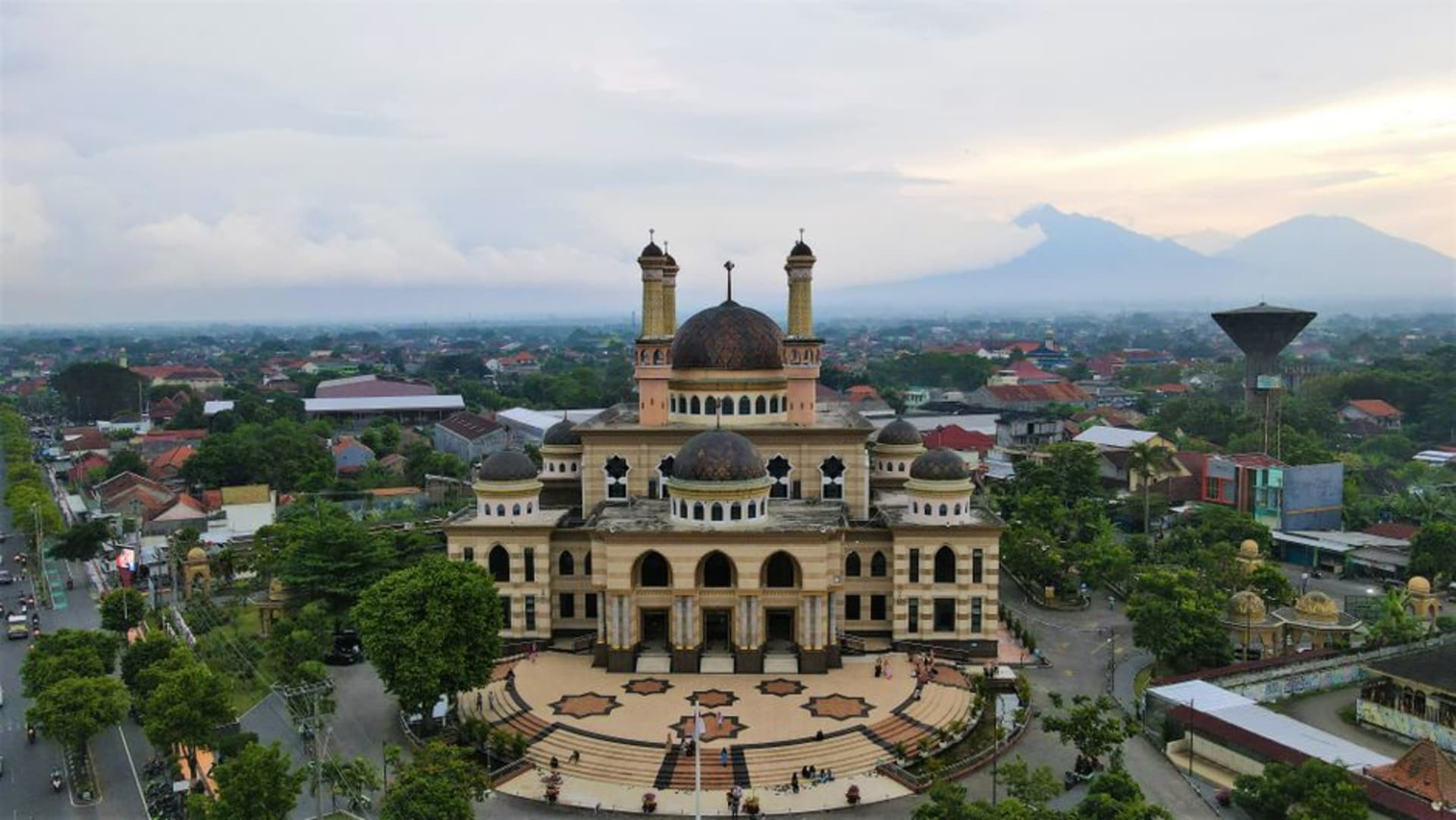
Sumatra's biggest city doesn't try to charm you — it just feeds you extraordinarily well and lets the colonial ghosts and mosque domes do the rest.
I’ll be honest about how I ended up in Medan: it was a layover city, the unavoidable gateway between a flight from Jakarta and a bus to Lake Toba, and I’d budgeted exactly one night for it. I stayed three. Not because Medan is beautiful — it isn’t, not in the way Ubud or Yogyakarta are, with their manicured temples and rice terraces arranged for photographs. Medan is a hot, congested, gloriously unpretty city of over two million people, built on tobacco money and shaped by a century of Malay sultans, Dutch planters, Chinese merchants, and Indian traders who all left something behind and never quite left themselves.
The clearest evidence of that layered history sits a few blocks from each other downtown. The Maimun Palace, still home to descendants of the Deli sultanate, is a yellow confection of Malay, Islamic, and European architectural habits that somehow cohere — a legacy of the Deli Sultanate’s 19th-century wealth from tobacco, the same “Deli leaf” that once wrapped the finest cigars in Europe. Directly across the boulevard, the Grand Mosque of Medan (Masjid Raya Al Mashun) was commissioned by the same sultan in 1906, its black onyx-marbled domes and Moroccan-tiled interior a deliberate flex of the same fortune. I sat in its courtyard at dusk, waiting for the call to prayer, watching families arrive on motorbikes in numbers that seemed physically impossible for the vehicle.
A city built on someone else’s harvest
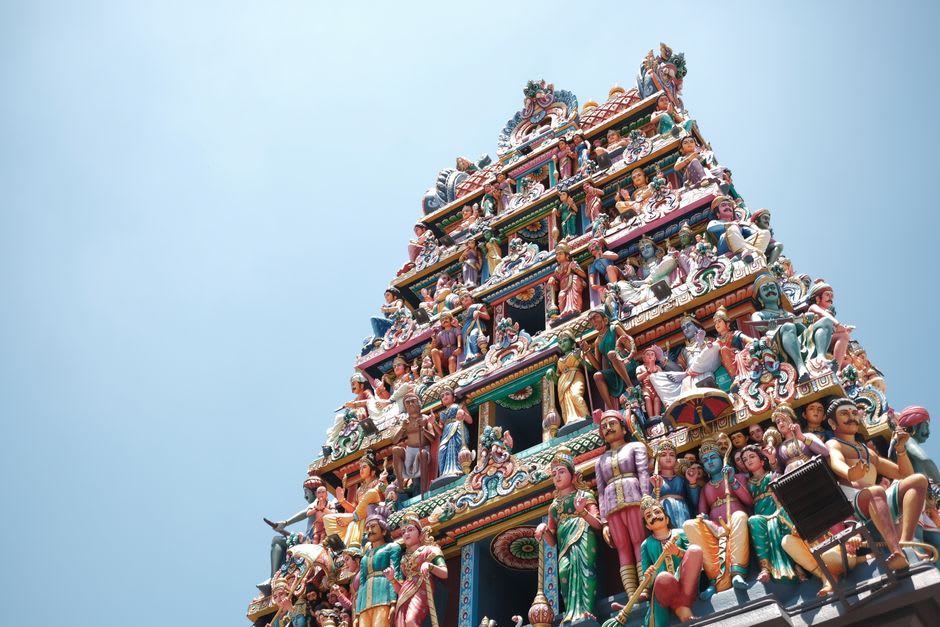
Medan exists because of plantations — tobacco first, then rubber and palm oil, an economic engine that pulled in Chinese laborers and Indian Tamils by the tens of thousands starting in the late 1800s. That history is still legible in the neighborhoods. Kampung Madras, the old Indian quarter, has a working Hindu temple, Sri Mariamman, with a gopuram tower crowded with painted deities that looks transplanted whole from Tamil Nadu. A short walk away, the old Chinatown around Jalan Semarang still runs on shophouses and family-run kopitiams. It’s not a tourist circuit — it’s just how the city is put together, block by block, community by community, and I liked that nobody had bothered to smooth it into a “heritage trail” for visitors.
Eating my way through a food capital
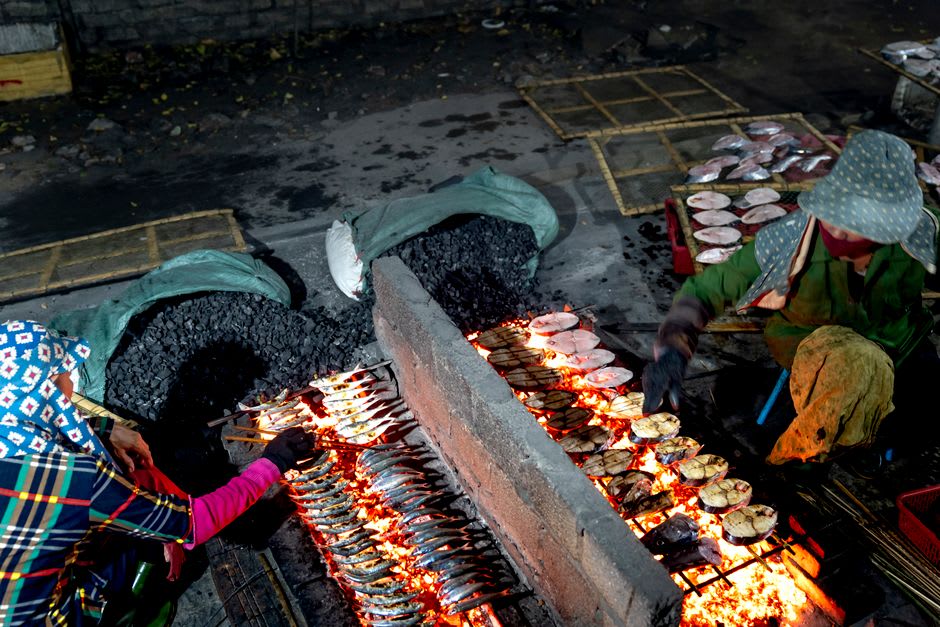
If Medan has a religion beyond its four official ones, it’s eating. This is Sumatra’s culinary crossroads, and it shows in the sheer range on a single street: Malay-Chinese soto Medan thick with coconut milk, Bataknese saksang from the highlands, Indian-influenced martabak stuffed and folded on griddles the size of car hoods, and durian — Medan’s other obsession — sold from roadside stalls where old men argue about which variety from which hillside is worth the smell. I ate at Merdeka Walk, an open-air food court that turns into a nightly carnival of grilled seafood and cold Bintang, and I ate better, cheaper, at a nameless stall near Kesawan Square that served me soto medan I’m still thinking about a year later.
Medan isn’t trying to be Bali. It has no interest in your Instagram grid. What it offers instead is unglamorous and much rarer: a real, working Indonesian city where the sultanate history, the colonial architecture, and the immigrant communities never got tidied up into a curated experience. You take it as it comes — humid, loud, a little chaotic — and in exchange you get the best plate of food you’ll eat in Sumatra and a mosque courtyard at dusk that costs nothing and asks for nothing but a little patience.
When to go: June through September is the driest stretch and the most bearable for walking the city center; avoid using Medan as anything but a short base, since most people are here to launch onward to Lake Toba or Berastagi.