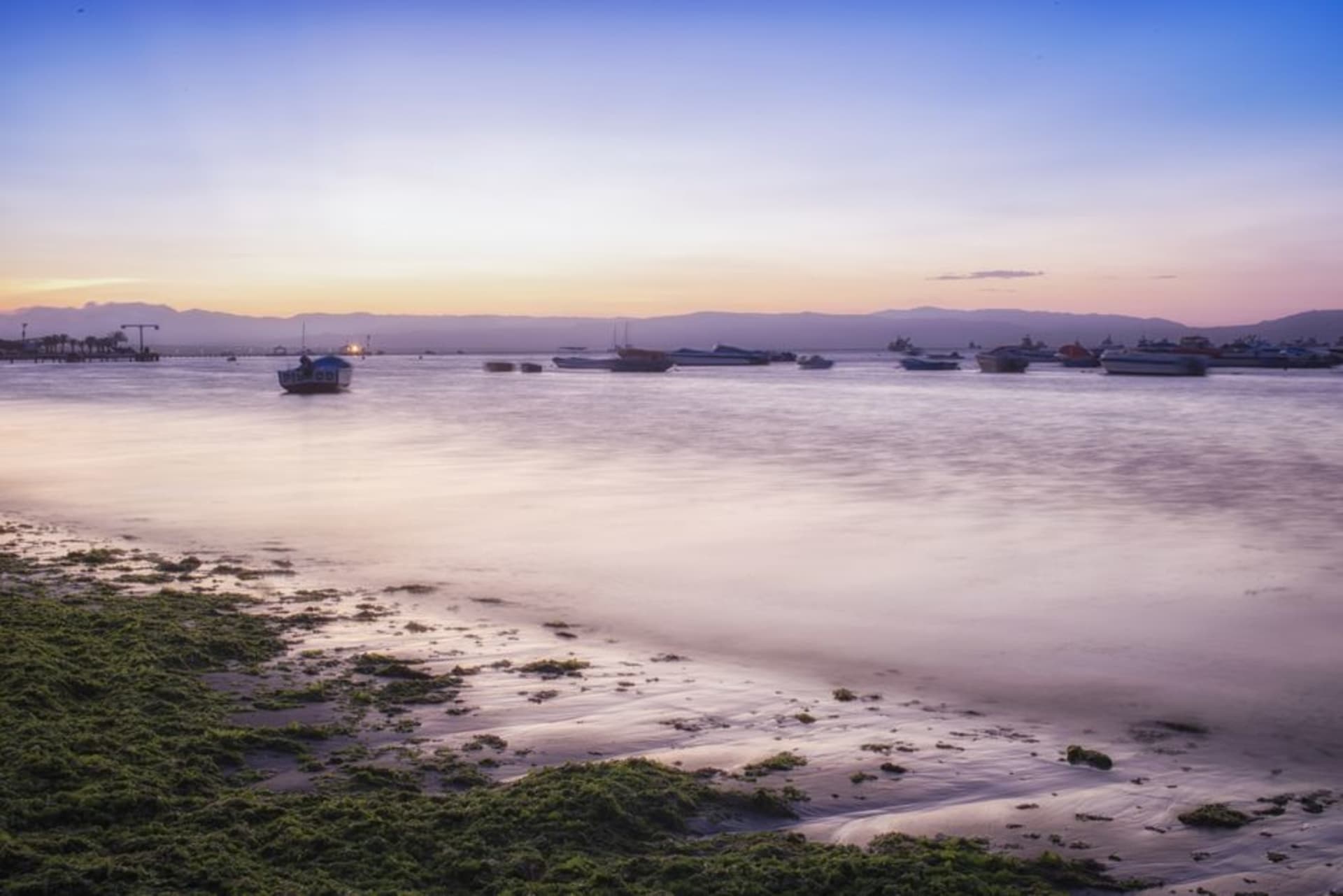
Maumere
"Maumere doesn't perform for you. It just gets on with being a fishing town that happens to sit on some of the best water in the Flores Sea."
A town that was flattened twice — by earthquake and tsunami, then by a coral-bleaching event that erased its reputation — and quietly rebuilt itself into one of Flores's most underrated diving bases.
I’ll admit I almost skipped Maumere. Every guidebook I’d flicked through treated it as a layover — the airport town you pass through on the way to Kelimutu’s three-colored crater lakes, or the port you leave from to reach Komodo. That’s a mistake, and I only figured it out because my flight to Ende got cancelled and I had three unplanned days to kill on Flores’s northeast coast.
What I found was a town still quietly recovering from two disasters most visitors have never heard of. In December 1992, a magnitude 7.8 earthquake struck just offshore and sent a tsunami into Maumere Bay that killed over 2,000 people and wiped out the town center. Then, as if that weren’t enough, the same event devastated the coral reefs that had made Maumere one of Indonesia’s premier dive destinations in the 1980s — reefs that had drawn comparisons to the Red Sea. The reefs took decades to recover, and Maumere’s reputation as a dive hub never fully bounced back the way Komodo’s or Alor’s did. Which, selfishly, is exactly why I liked it. The dive operators that remain are small, personal, unhurried. Nobody’s trying to sell you a package.
The bay and the villages around it
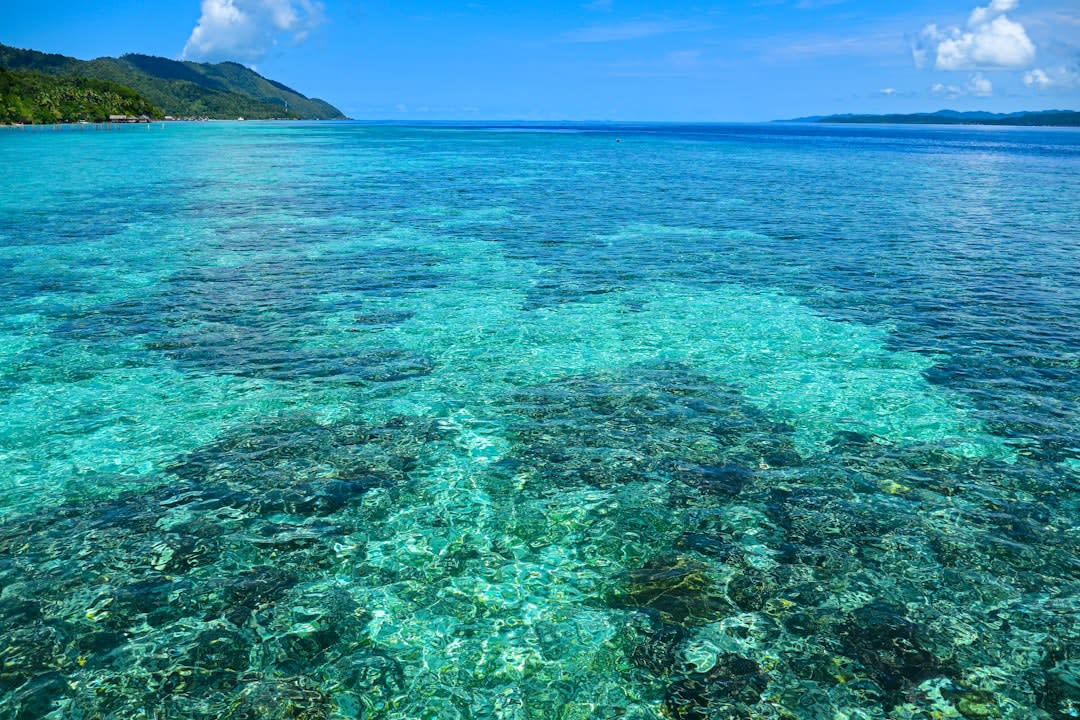
Maumere itself is workaday — a grid of shopfronts, motorbikes, and the kind of unglamorous energy you get in a regional capital that exists mostly to move goods and people. But the bay curls out into something else entirely. I based myself in Wodong, a strip of coastline about 20 kilometers east where a handful of small guesthouses sit right on the sand and the reef starts just a few meters from shore. No boat required — I waded in off the beach one afternoon and was over a wall of soft coral within five minutes, watching a hawksbill turtle graze on sponge like it had nowhere else to be.
Sikka, a village further along the coast, is where the region’s famous ikat weaving tradition is still practiced on backstrap looms, the same way it has been for generations — indigo-dyed cotton worked into geometric patterns that take weeks to finish. Maumere sits in Sikka Regency, named for this same weaving culture, and the town’s Catholic character (a legacy of Portuguese and later Dutch missionary presence going back to the 16th century) gives it a different rhythm than the more overtly Islamic towns further west on Flores. Church bells, not calls to prayer, mark the hours here.
What stuck with me
What I keep coming back to is a conversation with a dive guide named Yosef, who’d grown up in Maumere and remembered the tsunami as a kid — the water pulling back from the bay in a way that terrified the older fishermen before it came roaring in. He talked about the reef rebuilding, patch by patch, over thirty-odd years, with the same matter-of-fact patience he used when pointing out a mantis shrimp burrow. There’s a resilience in Maumere that doesn’t announce itself. It’s just there, in the rebuilt seawall, in the reef slowly filling back in with staghorn coral, in the ikat looms still clacking away in Sikka.
I left Maumere without ever making it to Kelimutu, which had been the whole point of the detour. I didn’t mind. Some places are better as the destination than the layover.
When to go: April to November, during the dry season, gives you the calmest seas and best visibility for diving. Avoid January and February, when the wet season brings rough water and reduced boat access to the outer reefs.