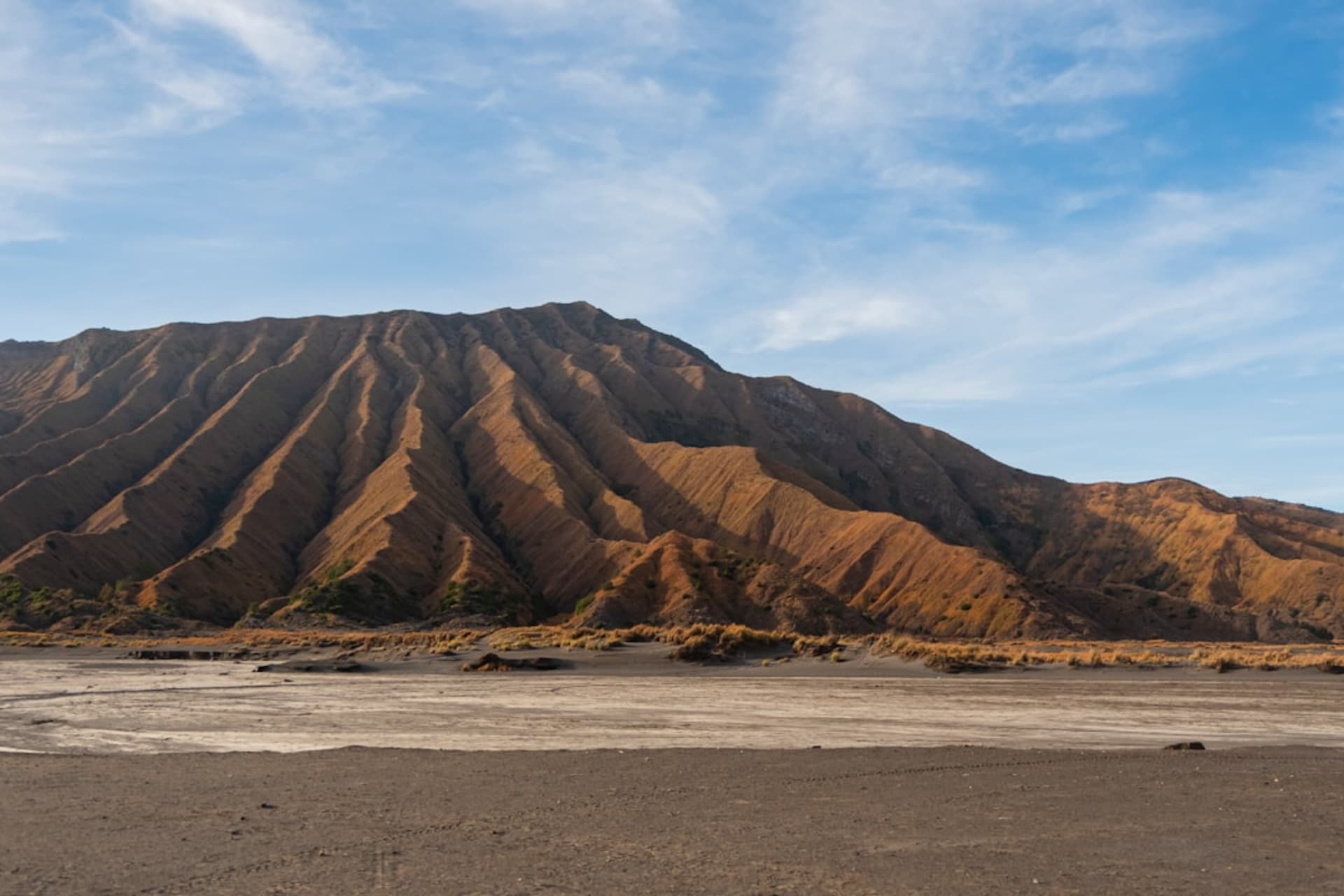
Malang
"Everyone stops in Malang on their way to Bromo. Almost nobody stays long enough to actually meet it."
A cool-air university town in the shadow of Mount Bromo, where colonial garden-city planning and student energy make for an unlikely, easy charm.
I arrived in Malang the way most travelers do — as a stopover en route to Mount Bromo — and left three days later wondering why I’d almost skipped it entirely. At roughly 440 meters elevation, tucked into a highland basin surrounded by the volcanoes Semeru, Arjuno, and Kawi, Malang has a climate noticeably gentler than the lowland heat of Surabaya just ninety minutes north, and the Dutch, predictably, noticed this too. They planned much of the city in the early 20th century as a “garden city,” modeled loosely on European ideas of green boulevards and orderly residential blocks — you can still see it in Ijen Boulevard, a wide avenue of century-old trees and grand colonial villas that today house a mix of families, cafes, and small museums.
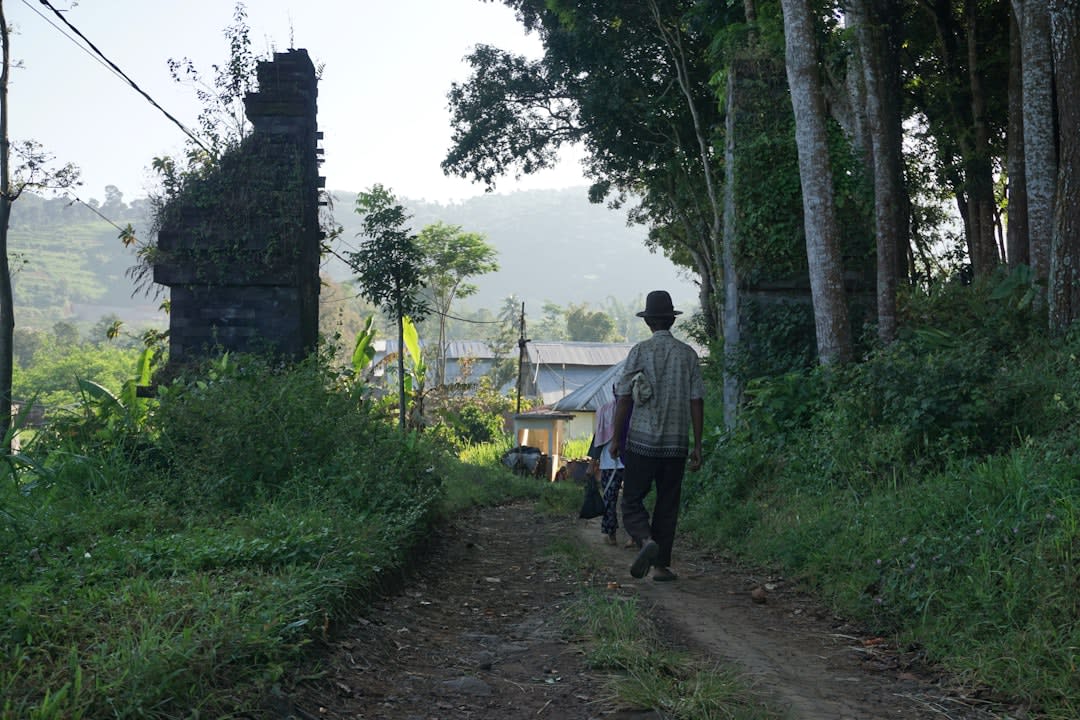
Malang’s more interesting layer, though, is what came before the Dutch. This region was once the heartland of the Singhasari kingdom, a 13th-century Javanese power that briefly dominated the archipelago before the Majapahit empire eclipsed it — Majapahit’s own founding dynasty, in fact, traced its roots to Singhasari’s fall. The Singhasari temple ruins just outside the city, weathered volcanic-stone structures dedicated to Shiva, are quiet and largely unvisited compared to Borobudur or Prambanan, guarded by two enormous dvarapala statues that have stood since roughly the 13th century, moss creeping into every carved fold.
A city that reinvented itself in color
The neighborhood everyone photographs now is Kampung Warna-Warni — the Rainbow Village — a formerly run-down riverside slum along the Brantas River that a university design project and local government initiative repainted, house by house, in blocks of saturated color sometime in the mid-2010s. It could easily read as gimmick, and it’s certainly become a magnet for selfie tourism, but talking to a few residents while wandering the steep river-facing stairs, I got the sense the transformation genuinely changed how people felt about the neighborhood — property values, civic pride, foot traffic to small home businesses all shifted. It’s one of the more successful examples I’ve seen of a bottom-up urban intervention actually sticking.

Brawijaya University and half a dozen other institutions give Malang a genuine student population, which shows up as an unusually good, cheap food scene: bakso Malang, a beef meatball soup served with tofu, wonton, and noodles, is the dish locals will insist you try first, and cwie mie — a Chinese-Indonesian chicken noodle dish specific to this city — comes from small family stalls that have been running for decades near the old market. I ate bakso from a cart outside the Balai Kota, the old Dutch city hall, while students on motorbikes idled nearby waiting out a light rain.
When to go: April through October, the dry season, gives the clearest views of the surrounding volcanoes and the easiest onward travel to Bromo; Malang’s cooler elevation makes it comfortable to visit any month.