Lovina
"The dolphins showed up before the sun did. So did I, half-asleep and not sure it was worth it. It was."
Black-sand beaches, dolphins at dawn, and the unhurried north-coast Bali that never bought into the south's version of paradise.
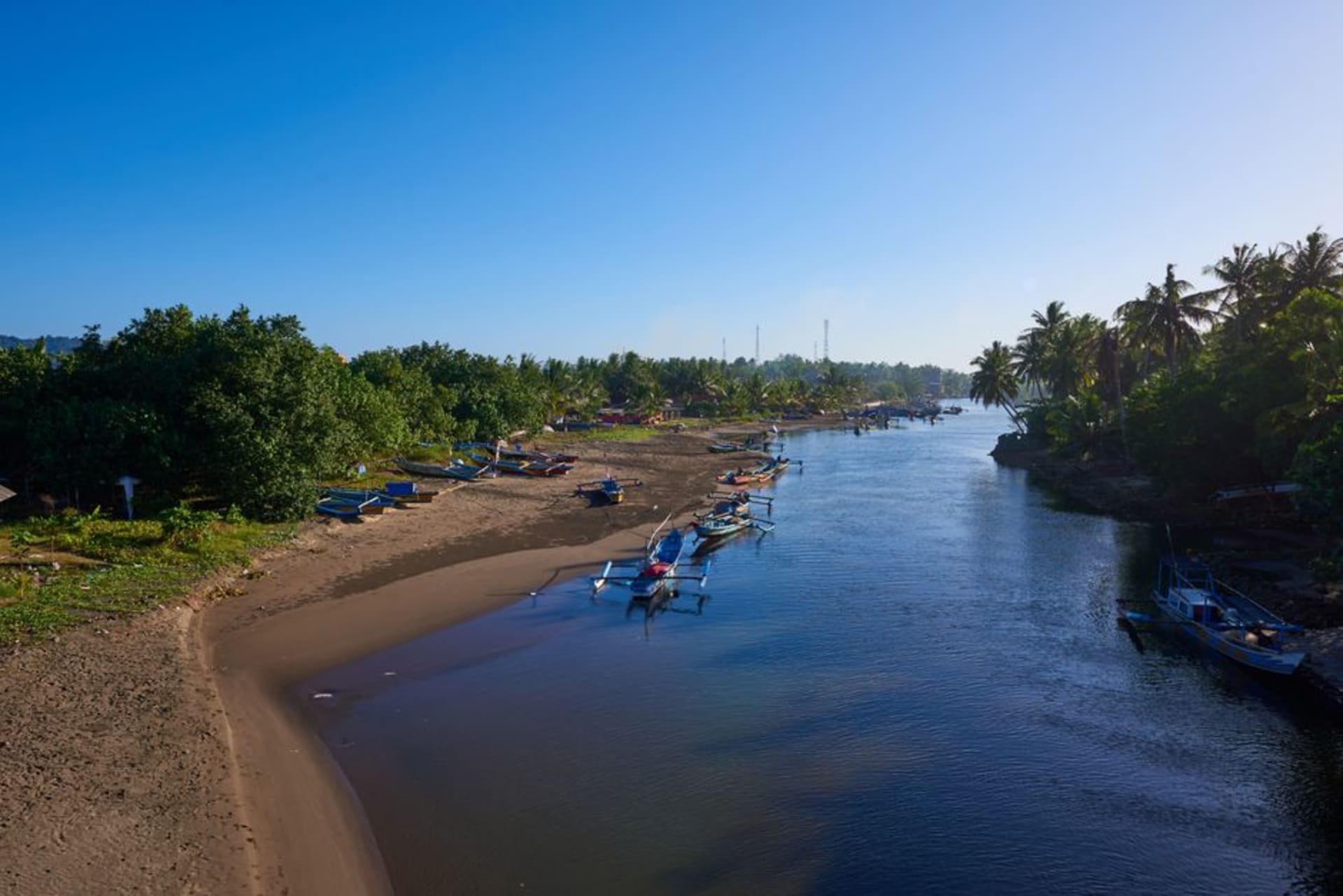
Lovina doesn’t try very hard, and that’s precisely the point. Strung along Bali’s north coast near Singaraja — the island’s old Dutch colonial capital, and its main port until the 1970s when Denpasar took over — Lovina is actually a stitched-together string of fishing villages: Kalibukbuk, Anturan, Kaliasem, Tukad Mungga, each blending into the next without much fanfare. There’s no single “Lovina” the way there’s a single Kuta or a single Ubud. It’s a coastline, not a resort, and the sand is black — fine volcanic grit, not the bleached white stuff the south markets so hard — because this whole stretch of shore was built by lava flows off the slopes of Mount Batukaru and the north’s volcanic ridge over thousands of years.
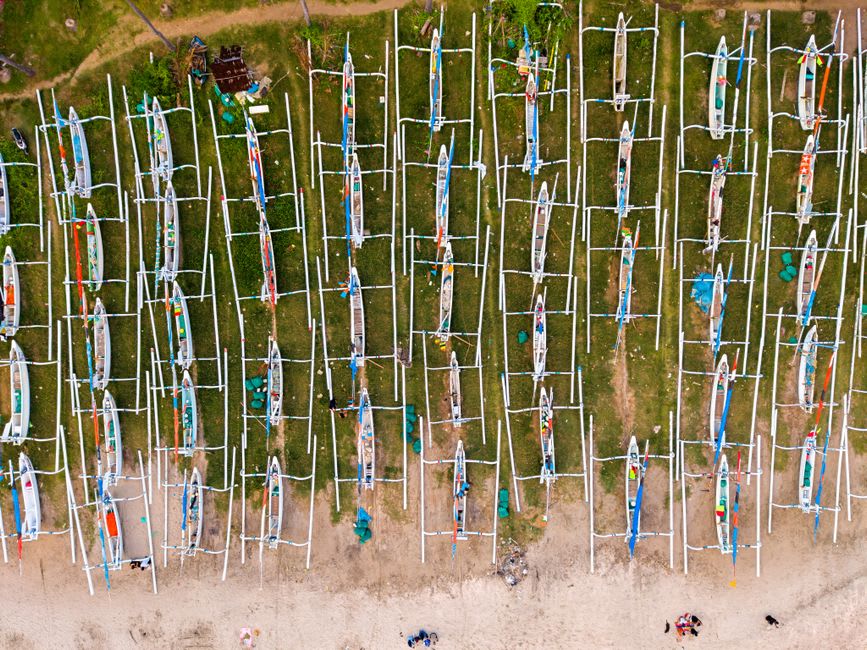
The thing everyone comes for is the dolphins, and I went in skeptical, having read enough about overcrowded dolphin-tour boats elsewhere to expect disappointment. You go out before sunrise in a jukung — the narrow, brightly painted outrigger canoe that’s been the standard Balinese fishing boat for centuries, stabilized by bamboo poles lashed to either side — and the boatmen cut their engines and drift once the pods surface. Spinner dolphins are resident in the Bali Sea here, feeding in the nutrient-rich waters where the strait between Bali and the smaller islands to the north creates upwelling currents. Whether that morning’s magic was diminished by the dozen other boats doing the same thing, I can’t honestly say it was. Watching dolphins break the surface with Bali’s northern mountains silhouetted against a pink sky is the kind of cliché that turns out to be true.
What the coast doesn’t advertise
North Bali carries a different history than the south, and it shows. Singaraja was the seat of Dutch colonial administration in Bali starting in the early twentieth century, and the old harbor town still has Chinese shophouses, a handful of colonial-era buildings, and a slower, more workaday rhythm than anything in the Kuta-Seminyak corridor. Inland from Lovina, the drive up toward the Bedugul highlands passes Gitgit waterfall and the twin lakes of Buyan and Tamblingan, cooler air replacing the coastal heat within a half hour. And offshore, the reefs here — quieter and less trafficked than Nusa Penida’s — hold decent snorkeling right off the black-sand beach, no boat required, though the visibility depends heavily on the season.
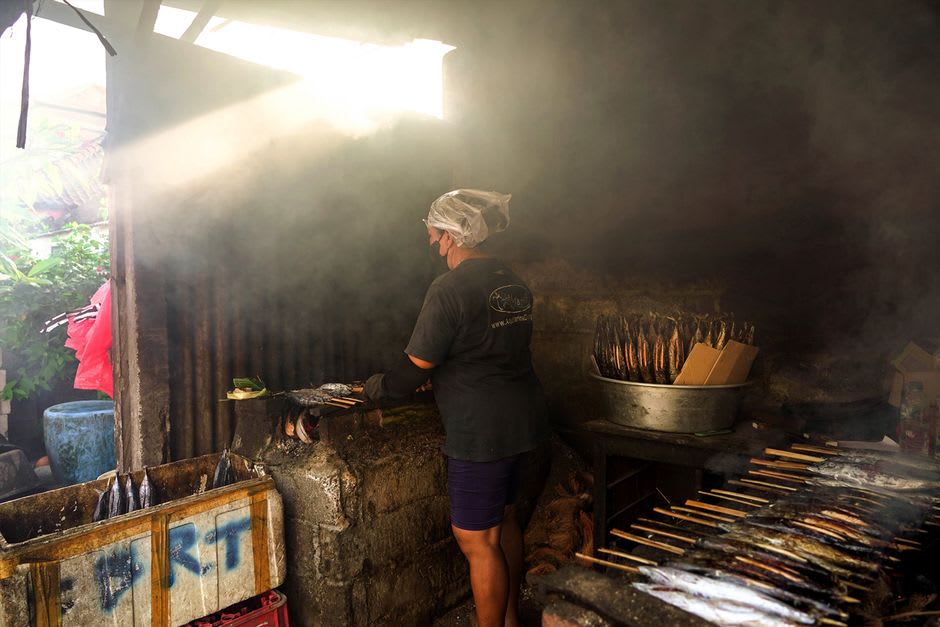
Lovina’s evenings are built around the beach promenade at Kalibukbuk, where warungs set up plastic tables almost at the waterline and grill the day’s catch — usually red snapper or mahi-mahi — over coconut-husk coals. I ate better, cheaper fish there than almost anywhere else in Bali, sitting close enough to the water that the tide occasionally reached for my ankles. There’s a low-key nightlife strip nearby, but it never felt like it was trying to compete with the south; it felt like a place locals actually still hang out, tourists or not.
When to go: April to October, the dry season, for calm seas and the best dolphin-watching visibility; go out on the water by 6am, before the wind and the crowds pick up.