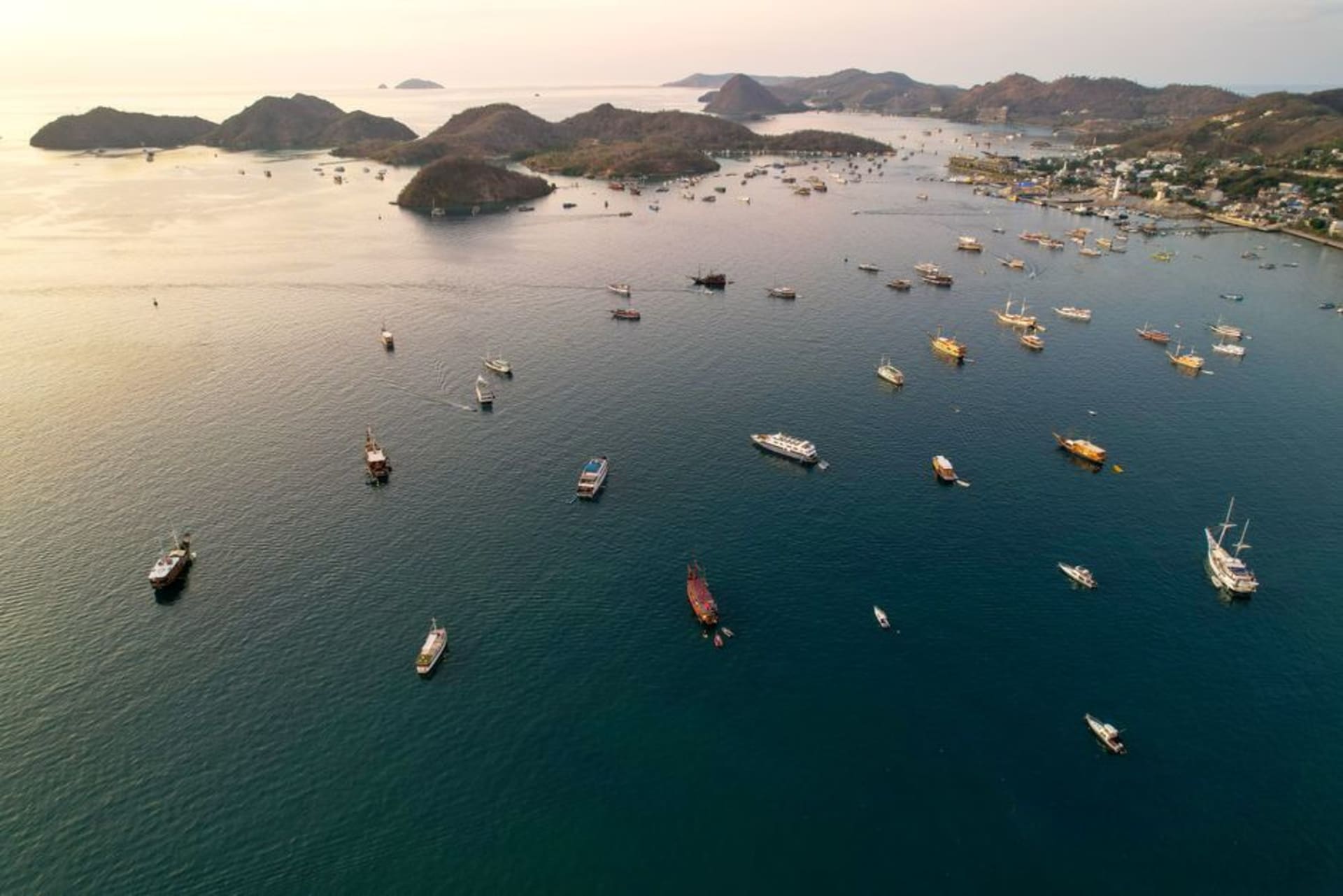
Labuan Bajo
"Every sunset here turns the harbor into a fleet of silhouettes, and every single boat is headed somewhere worth going."
The scruffy fishing port that became the gateway to dragons, and somehow kept its harbor-town soul while doing it.
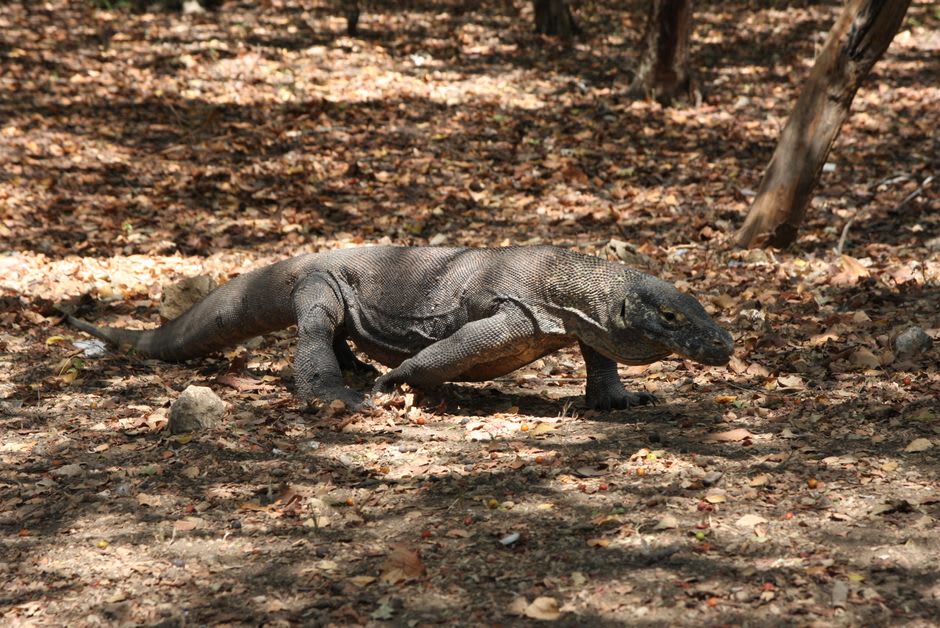
Labuan Bajo sits at the western tip of Flores, and its whole reason for existing on the map traces back to what’s floating just offshore: the boats that carry travelers out to Komodo National Park, a scatter of arid, dragon-backed islands that UNESCO named a World Heritage site both for the komodo dragons themselves — the largest living lizards on Earth, apex predators that have existed here since before modern humans left Africa — and for the extraordinary marine biodiversity packed into the Coral Triangle waters surrounding them. The town has grown fast around that single fact, and it shows: a harbor thick with wooden phinisi schooners, dive shops on every second corner, restaurants serving grilled fish to travelers comparing notes on which liveaboard to book.
What I didn’t expect was how much I’d like the town itself, separate from the islands it sells you on. Labuan Bajo climbs a hillside above its bay, and the walk up past the fish market — chaotic in the best way, ice-packed tuna and reef fish laid out at dawn while buyers haggle in a mix of Manggarai, Bahasa Indonesia, and whatever pidgin gets the price down — gives you a version of the town that predates the tourism boom. The Manggarai people, Flores’s dominant ethnic group in this region, still run much of the fishing trade, and their spiral-shaped traditional villages inland, with communal drum houses called mbaru niang, are a world away from the dive resorts on the coast.
Out to the Dragons
The boat trip to Komodo and Rinca islands is the reason everyone’s here, and it earns the reputation. Komodo dragons, growing up to three meters long, hunt using a venomous bite and a patience that borders on unsettling — they’ll trail wounded prey for days waiting for the venom to work. Rangers lead you through their territory on marked trails with nothing more than a forked stick for protection, which sounds absurd until you’re standing ten meters from an adult dragon and understand that the stick is really there to manage your nerves more than the animal.
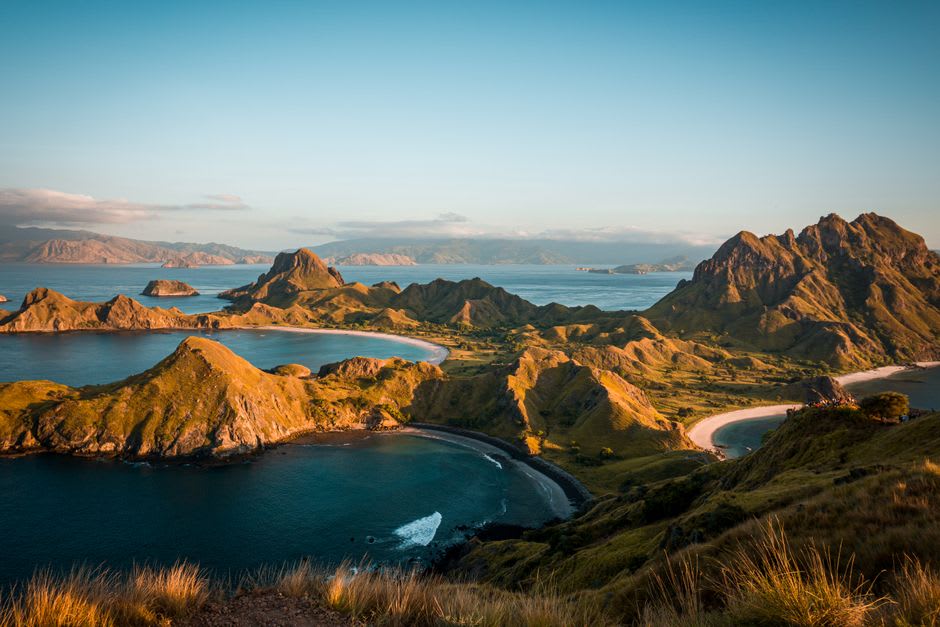
The islands themselves are worth the trip even without the dragons. Padar Island’s viewpoint — a scramble up a barren, otherworldly ridge — delivers one of the most photographed views in Indonesia, three curved bays in different shades of blue framed by hills the color of dried straw. Pink Beach, its sand tinted rose from crushed red coral mixed into the white, sits over a reef system that ranks among the richest diving in the world, part of the Coral Triangle’s staggering concentration of marine species. I went in for a snorkel expecting a nice reef and surfaced forty minutes later having lost track of time entirely, reef sharks and manta cleaning stations doing more to hold my attention than any dragon had.
Back in Town
Evenings belong to the harbor. Every phinisi that’s out on a multi-day charter times its return or departure around sunset, and the waterfront restaurants along the main strip fill up with people watching the same show — masts silhouetted against a sky doing something theatrical with orange and pink, motorbikes weaving along the shorefront road, the smell of grilled ikan bakar drifting from every direction. It’s touristy now, unmistakably, but it hasn’t yet curdled into something soulless. The fishing boats still outnumber the dive boats in the harbor, if you look carefully enough to count.
When to go: April to June or September to November for calm seas and good visibility without peak-season crowding; the dry season from May to September is most reliable for boat trips but also the busiest and driest the landscape looks.