
A megacity that swallows first impressions whole — Jakarta rewards the traveler willing to get lost in its kampungs, canals, and colonial ghosts.
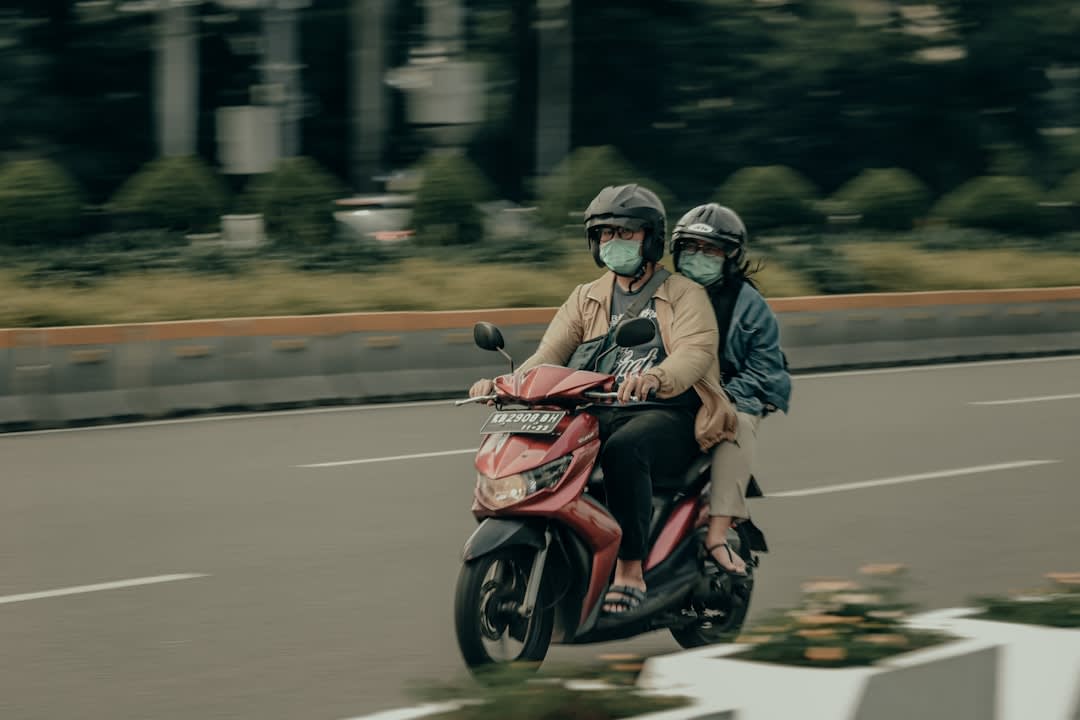
I’ll admit I dreaded Jakarta before I landed there. Every warning I’d collected in Mexico from other travelers who’d passed through Southeast Asia used the same word: chaotic. And yes, the traffic on Jalan Sudirman at 5pm is a kind of slow-motion siege, motorbikes threading between gridlocked SUVs like blood cells squeezing through a narrowed artery. But what nobody told me is that Jakarta rewards patience in a way few capitals do. Spend three days assuming it’s just noise and you’ll leave with nothing. Spend three days actually looking, and the city opens like a hand.
Start with Kota Tua, the old town the Dutch built when this was Batavia, headquarters of the VOC — the Dutch East India Company that, for two centuries, ran a trading empire from this swampy river mouth. The Fatahillah Square is still ringed by colonial buildings gone soft with humidity and neglect, the old city hall now a history museum with cannons rusting in the courtyard. It’s not polished the way Melaka or Georgetown have been polished for tourists. It’s lived-in, slightly collapsing, full of kids on rented bicycles painted flamingo pink and old men selling es cendol from carts that look older than the building behind them. I liked it more for the imperfection.
The city beneath the skyline
What surprised me most was how quickly Jakarta drops from glass towers into kampung — the dense, informal neighborhoods that make up most of the city’s actual fabric. Walk fifteen minutes off any major avenue and you’re in narrow gang alleys strung with laundry lines, warungs the size of closets serving soto betawi to men on plastic stools, mosques calling prayer over the hum of scooters. Betawi culture — the indigenous culture of Jakarta itself, distinct from the Javanese and Sundanese cultures that surround it — survives here in food and music more than in any museum. Kerak telor, a smoky omelet of glutinous rice and egg cooked over charcoal, is Betawi street food at its most stubborn; I ate it from a cart near Setu Babakan, the cultural village set aside to preserve what development elsewhere has erased.
I also spent an afternoon at the National Museum, which everyone calls the Elephant Museum for the bronze elephant statue Thailand’s King Chulalongkorn gifted in 1871. Its ethnographic collection — Dayak shields from Kalimantan, Batak textiles, bronze Hindu-Buddhist statuary from the Majapahit era — makes the case, better than any guidebook, for how vast and plural “Indonesia” actually is. This is a country of over 17,000 islands and 700 languages pretending, mostly successfully, to be one nation, and Jakarta is where that pretense gets negotiated daily.
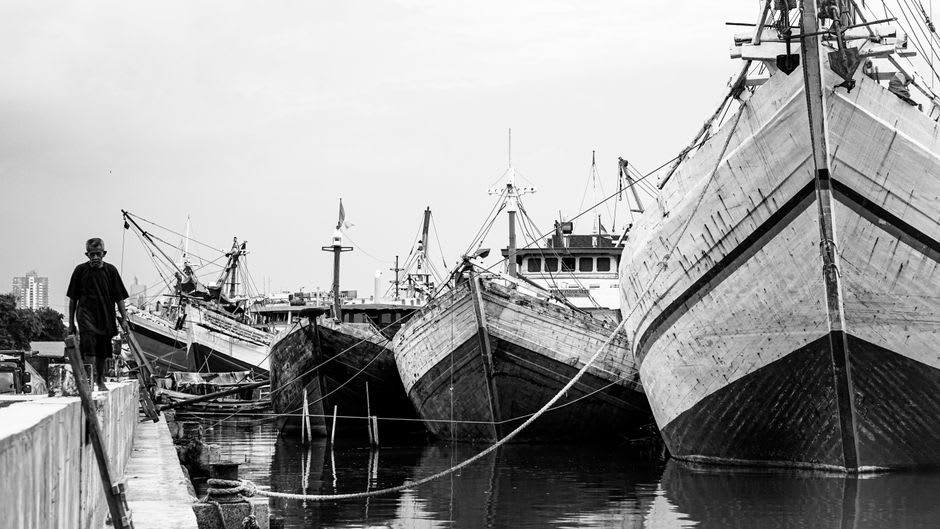
Sunda Kelapa, the old harbor north of Kota Tua, is where I understood the city’s maritime bones. Wooden pinisi schooners — the same double-masted ships Bugis traders have used for centuries — still load cargo by hand here, planks laid from dock to deck for men carrying sacks on their shoulders in a rhythm that’s basically unchanged since the spice trade made this coast rich enough to fight wars over.
When to go: May through September, the dry season, spares you the worst flooding and humidity spikes; avoid arriving right before Ramadan’s end, when Jakarta empties out for mudik and traffic elsewhere in Java multiplies.