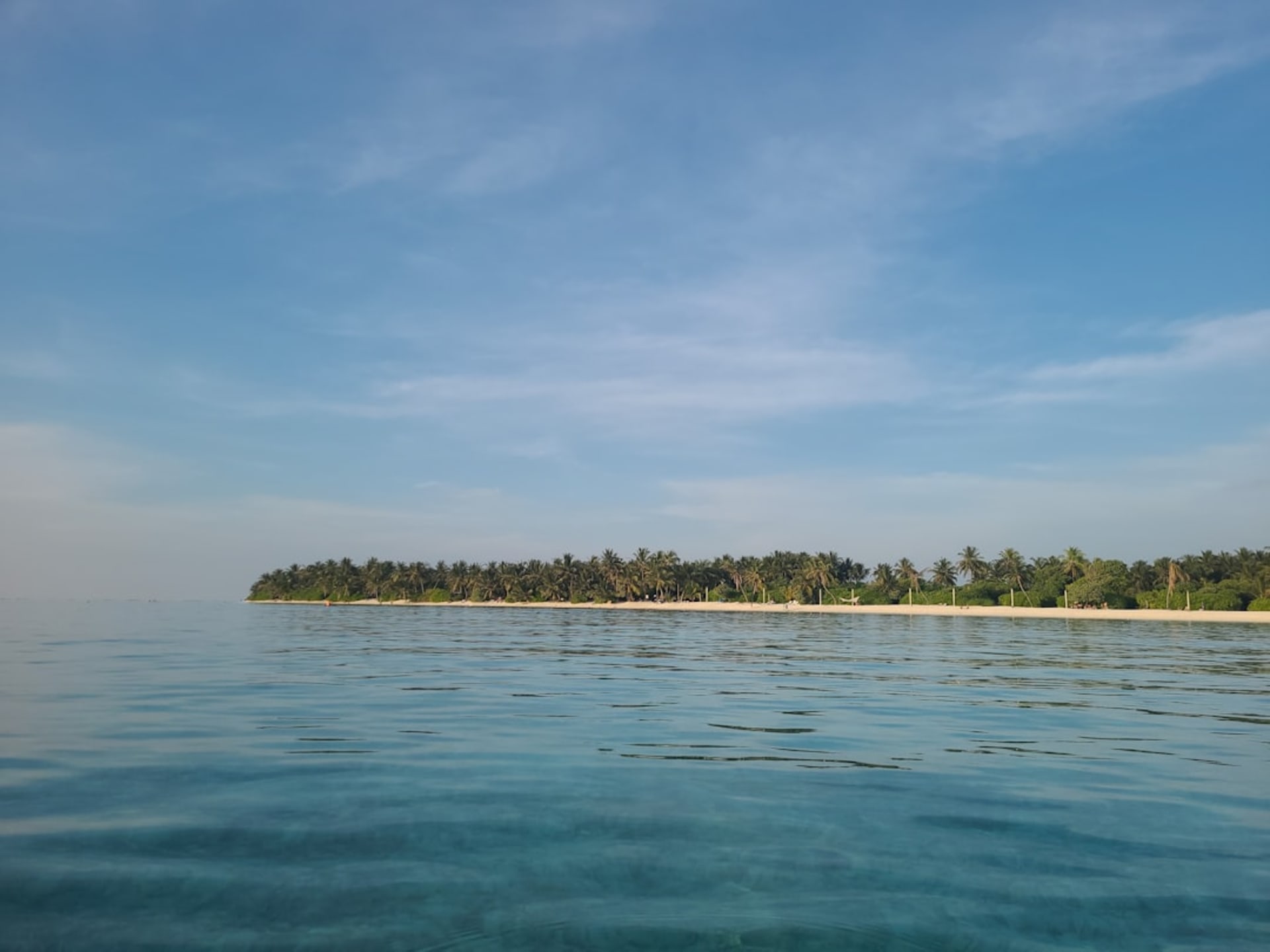
Gili Air
"Trawangan's noisier cousin sends its overflow here, and Gili Air politely absorbs it without changing who it is."
The quietest of the three Gilis, close enough to Lombok to feel like a village rather than a resort, with a coral shoreline that starts snorkeling right off the beach.
Gili Air is the closest of the three Gili Islands to Lombok’s mainland, just a short boat hop from Bangsal harbor, and that proximity shapes everything about it. It never quite drifted into isolated backpacker fantasy the way Gili Meno did, and it never chased the party economy the way Trawangan did. Instead it settled into something in between — a genuine fishing village, home to a resident Sasak community that predates the tourist boats by generations, with enough small guesthouses and dive shops layered on top that you can absolutely have a lazy week here, just not a loud one.
Like its neighbors, Gili Air bans cars and motorbikes outright, so the island moves at cidomo and bicycle pace, and the sand road that circles it takes maybe ninety unhurried minutes to walk end to end. I did that walk on my first morning, mostly to get my bearings, and ended up doing it again every day I was there — past the mosque’s call to prayer drifting over guesthouse rooftops, past kids herding goats along the shore, past the same handful of warungs where the same women recognized me by day two.
Snorkeling straight off the beach
What sets Gili Air apart underwater is how little effort it takes to see something worthwhile. The reef wraps close to shore on the east side, shallow enough that you can wade in from the beach and be looking at parrotfish and the occasional reef shark within a few minutes, no boat required — a rarity in a region where most good reefs need a dive trip to reach. I spent an entire lazy afternoon just snorkeling out from my guesthouse’s stretch of sand, coming back in only because I’d gotten sunburned through the water, which is its own kind of warning about how long you lose track of time out there.
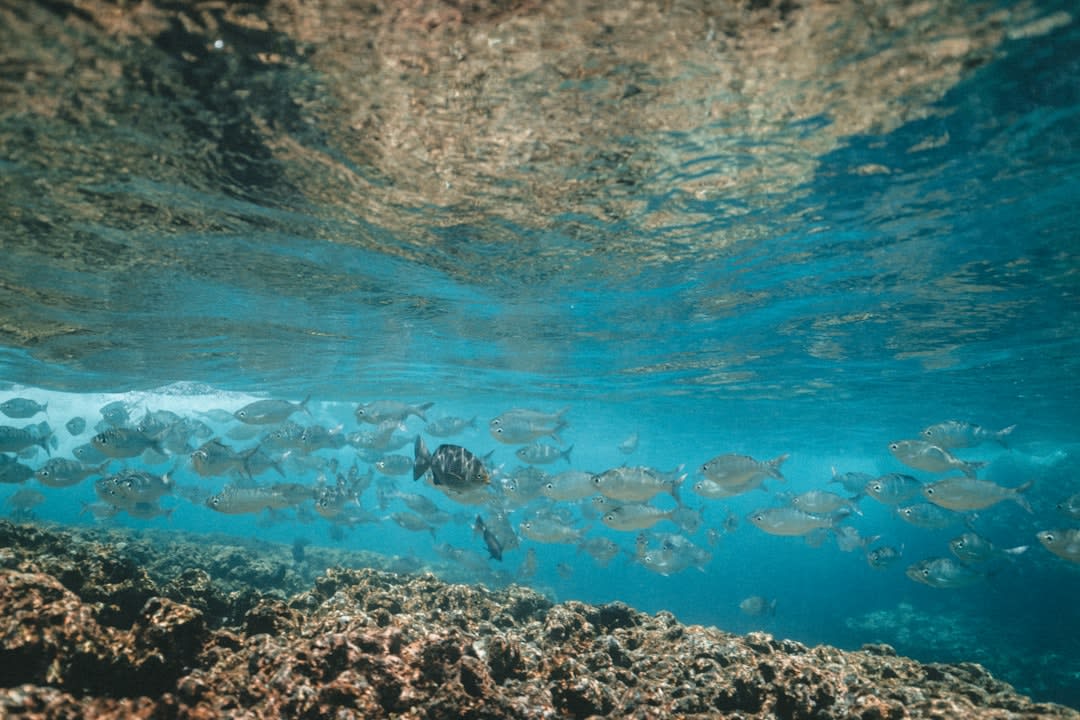
The island also has a quiet coral-restoration effort running along parts of its reef — steel frames seeded with coral fragments, part of the wider Gili Eco Trust initiative that operates across all three islands, funded partly by a small environmental fee collected from visitors and dive operators. Divemasters here talk about it with real pride, less as a marketing angle and more as an actual, ongoing repair job on a reef that took a beating from dynamite fishing and coral bleaching before the trust’s work began in the early 2000s.
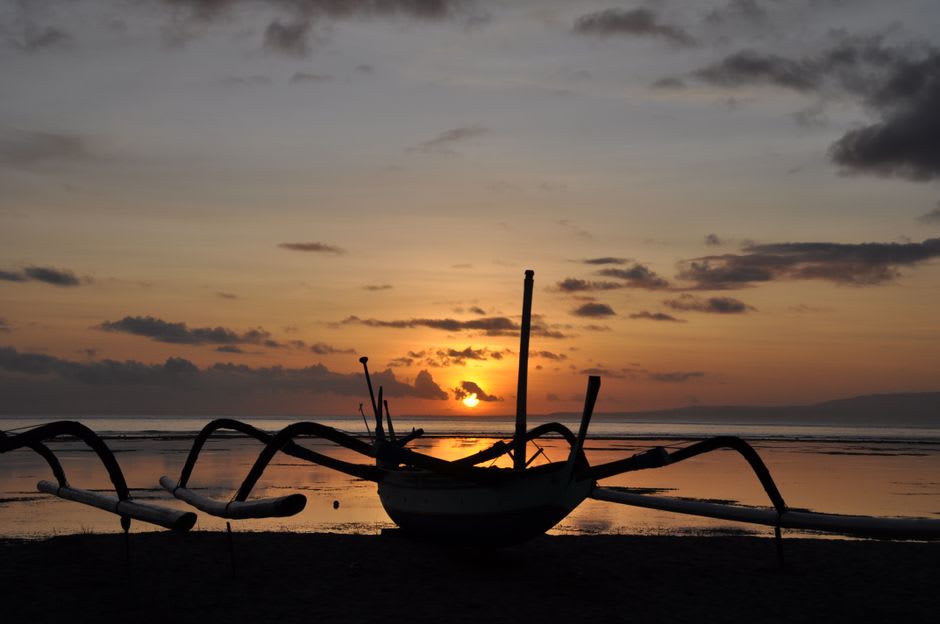
Evenings here are almost aggressively unremarkable in the best way — a beach bonfire with a bottle of Bintang, a few fellow travelers comparing notes on which Gili they liked best, the lights of Trawangan’s party strip visible and audible, faintly, across the water, like a rumor of a different island entirely.
When to go: April to October, dry season, for calm crossings from Bangsal and the clearest snorkeling visibility; the shoulder months of April and October also dodge the worst of the peak-season boat queues.