Ende
"A town most people use as a bus stop to Kelimutu, and one that deserves more than that."
The Flores port town where Sukarno spent his exile writing the philosophical seeds of Indonesian independence under a banyan tree.
Almost everyone who comes to Ende is really on their way to Kelimutu’s tri-colored crater lakes an hour or two north, and I was no exception the first time. It took a second visit, delayed by a canceled flight, to actually look at the town itself — and Ende turns out to carry more history than its scruffy port-town appearance lets on. Between 1934 and 1938, Sukarno, the man who would become Indonesia’s first president, was exiled here by the Dutch colonial government, isolated on this small Flores port precisely because it was considered remote enough to neutralize him politically. It didn’t work out that way. His house, Rumah Pengasingan Bung Karno, still stands near the town center, modest and well-kept, with personal effects and photographs documenting the years he spent here reading, writing, and — according to the story every local guide tells with real pride — developing early versions of the philosophical framework that became Pancasila, Indonesia’s foundational state ideology, while sitting beneath a large banyan tree a short walk from the house.
That banyan tree is still there, fenced and marked, and standing under it knowing what supposedly took shape in that shade gave me one of those quiet travel moments that has nothing to do with scenery. Ende’s role in Indonesian independence is a footnote in most histories of the revolution, but locally it’s a point of real civic pride, and the small museum attached to the exile house does a decent job contextualizing it without excessive nationalism.
Black sand, blue harbor
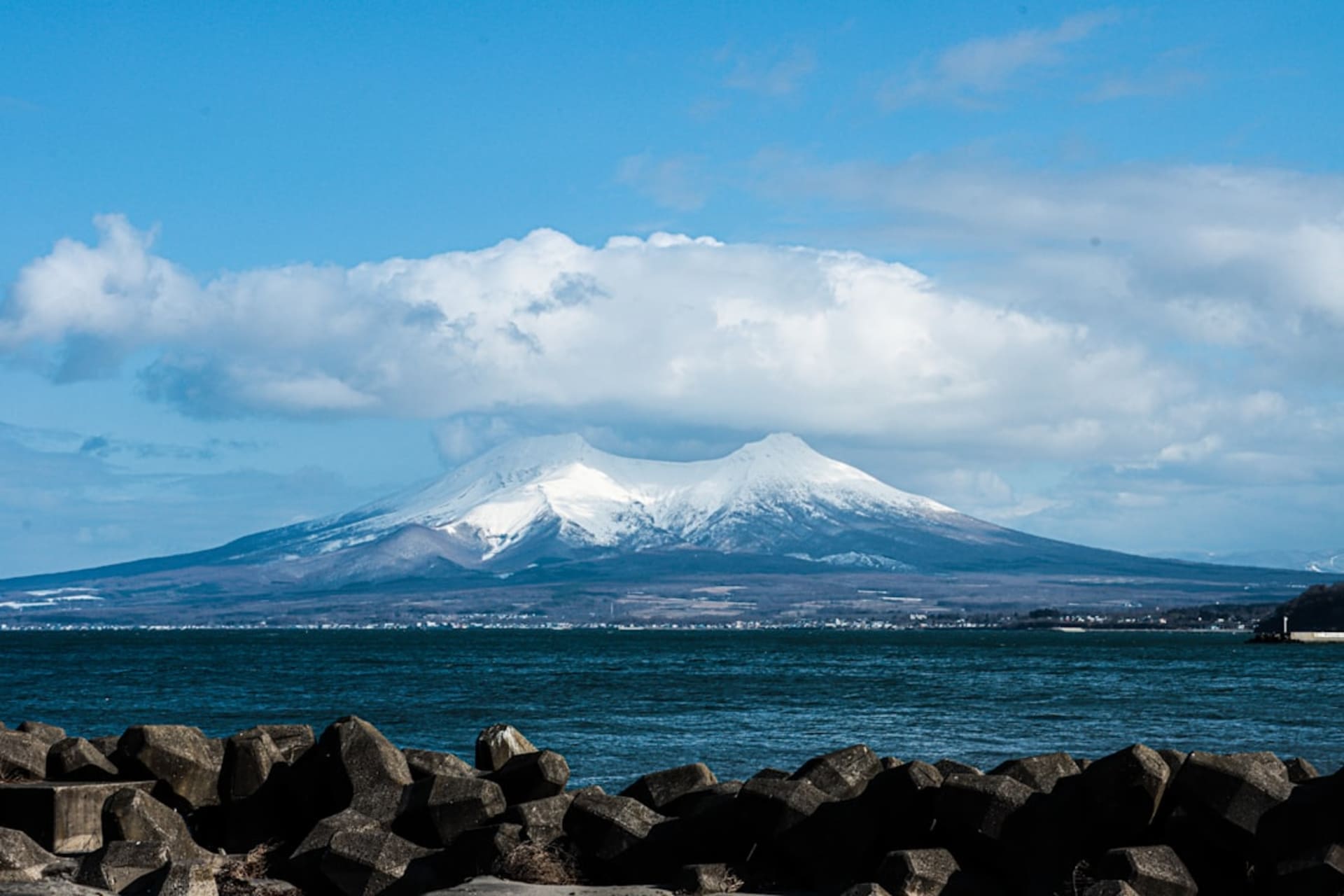
Ende sits on Flores’s south coast, wedged between two volcanoes, Meja and Iya, with a harbor that has made it a trading post since well before Dutch colonization — Bugis, Makassar, and Arab traders all worked this coastline for centuries, and the town’s ethnic mix still reflects it, with a notably large Muslim population in a province that is otherwise heavily Catholic. The beaches immediately around town are black volcanic sand, a striking contrast against the turquoise water and green hills, and Pantai Ria just outside the center is where I ended most evenings watching local families gather as the light dropped behind Gunung Iya’s cone.

A base for Kelimutu, and more than that
For most travelers, Ende functions purely as the transit hub for Kelimutu National Park, whose three crater lakes shift color unpredictably between turquoise, green, and near-black due to mineral content and volcanic gas activity — a two-hour drive north through the mountain town of Moni, from where most people make the pre-dawn hike to the crater rim. I’d still send anyone that way; Kelimutu genuinely earns its reputation. But Ende’s market, Pasar Mbongawani, sells Flores’s own ikat weaving traditions alongside East Sumba’s, worth a browse even if you’re not buying, and the harbor area has the kind of unhurried, unpretentious energy that a lot of more “discovered” parts of Flores have already lost.
When to go: May through September for the driest weather and the clearest views at Kelimutu’s crater rim, which is frequently fogged in during the wet season from December to March.