Dieng Plateau
"Two thousand meters up, where the temples are older than the volcano's next tantrum."
A volcanic highland so cold and strange the ancient Javanese thought it was where the gods actually lived — and standing there at 4am, I believed them too.
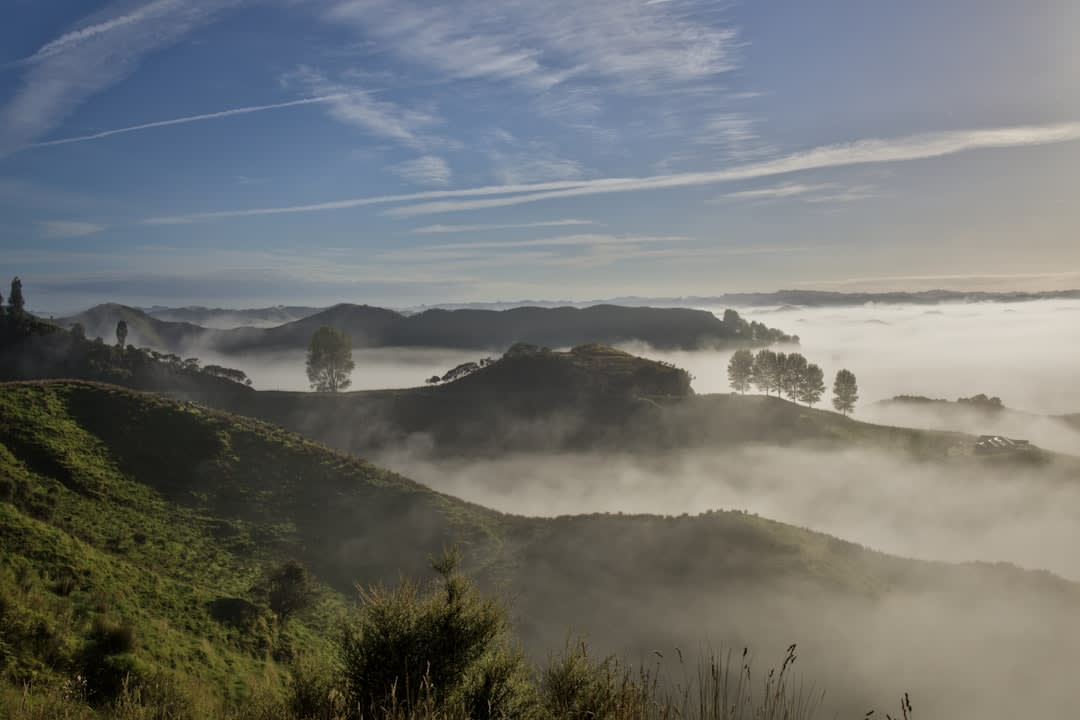
The name Dieng comes from the old Javanese “Di Hyang” — roughly, “abode of the gods” — and the first time I stepped off the minibus into that thin, cold, sulfur-tinged air at just over 2,000 meters, I understood the naming instinct even if I don’t share the theology. Dieng Plateau sits inside a volcanic caldera in Central Java, ringed by peaks, and it is genuinely unlike anywhere else on the island: cold enough some mornings for frost, called embun upas locally, to form on the grass, which locals treat as a minor seasonal event and outsiders treat as a small miracle given they’re still technically in the tropics.
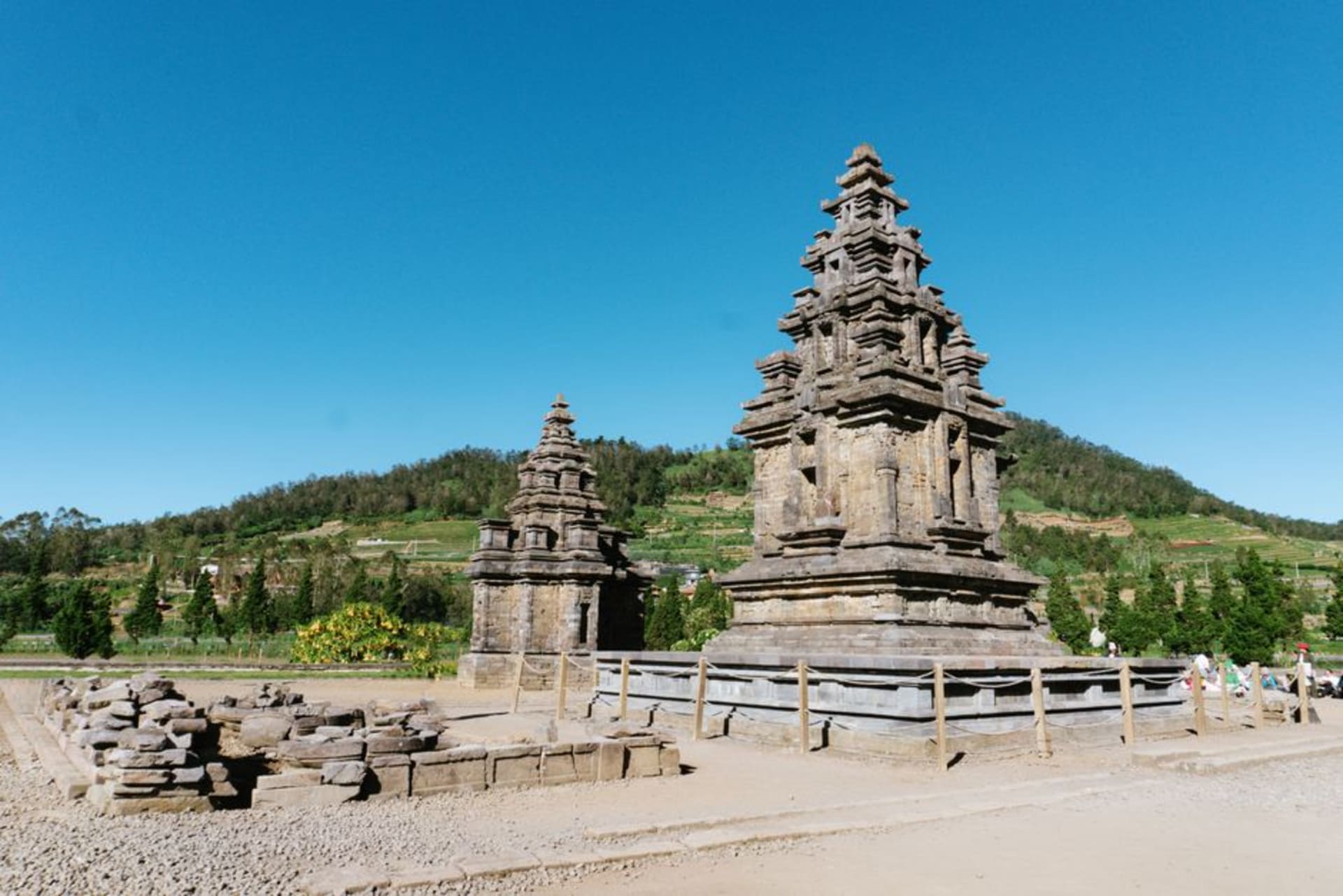
I came mainly for the temples and left thinking more about the geology. The Arjuna Complex, a cluster of five small Hindu temples dating to the 7th and 8th centuries, is considered among the oldest Hindu temple architecture surviving in Java — older than Prambanan, older than most of what draws crowds elsewhere on the island, and built by the same Sanjaya dynasty that would later raise the great temples of the Kedu Plain. What makes them strange to stand in front of is the setting: squat, dark volcanic-stone shrines sitting in an open, misty highland meadow with grazing cattle nearby, nothing like the jungle-wrapped temple ruins you picture elsewhere in Southeast Asia. I got there before 6am, before the day-trip buses from Wonosobo arrived, and had the whole complex to myself in fog thick enough that the temples seemed to materialize one at a time as I walked.
Craters, colors, and a lake that changes its mind
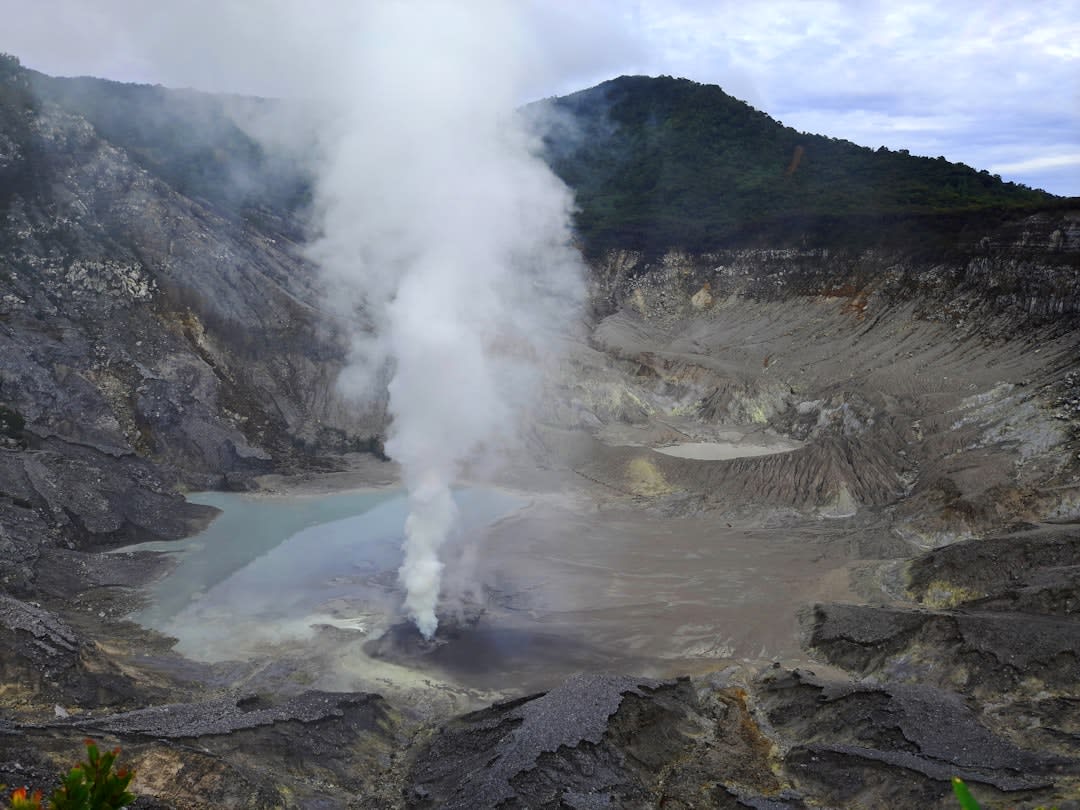
The plateau is still volcanically restless, and it shows. Kawah Sikidang is an active crater field where the ground bubbles and hisses through grey mud pools, sulfur smoke drifting low across boardwalks that keep visitors at a respectful distance — the ground here has shifted craters before, and locals treat the whole area with real caution rather than tourist-brochure charm. Nearby, Telaga Warna, the “Color Lake,” shifts between turquoise, green, and murky yellow depending on the mineral content stirred up from its volcanic floor and how the light hits it, ringed by forest and steam vents that make the whole scene feel faintly otherworldly.
Carica, coffee, and the children with old names
Dieng grows carica, a small highland papaya found almost nowhere else in Indonesia, usually sold candied or preserved in syrup — I ate more of it than was reasonable, straight from a roadside stall. The plateau is also one of Java’s high-altitude Arabica coffee regions, and I spent a slow afternoon at a farmer’s warung drinking coffee grown on the surrounding slopes while rain moved across the caldera in visible sheets.
One local tradition stuck with me more than the temples: children born on Dieng with matted, dreadlock-like hair — a naturally occurring condition here that’s treated as spiritually significant — undergo a ruwatan ceremony to cut it, an event still marked annually at the Dieng Culture Festival with traditional music and lantern releases against the temple backdrop. I wasn’t there for the festival, but hearing locals describe it made clear this plateau is still a living ritual landscape, not a preserved one.
When to go: June to August for the driest skies and the best chance of the frost phenomenon at dawn; arrive at the Arjuna temples before 7am, before both the mist burns off and the tour groups arrive.