Derawan Islands
"I swam through a lake full of stingless jellyfish and came out a slightly different person."
A scatter of coral atolls off Kalimantan's east coast where turtles outnumber tourists and a jellyfish lake does something your brain refuses to file as normal.
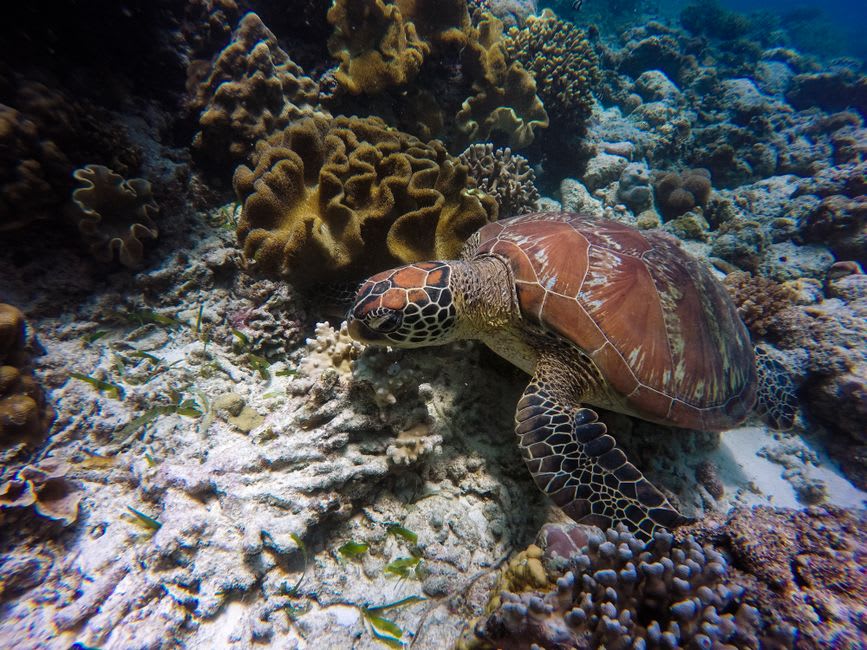
Getting to Derawan takes effort, and that effort is the whole filter. You fly into Balikpapan or Berau, then take a bumpy road to the fishing town of Tanjung Batu, then a speedboat out across the Sulawesi Sea, and only then do you arrive at a cluster of low coral islands — Derawan, Maratua, Kakaban, Sangalaki, Nabucco — that most travelers to Indonesia have never heard of, let alone visited. That obscurity is doing a lot of work to keep the reefs here as intact as they are. This is one of the few places left in the country where a green sea turtle nesting on the beach at night isn’t a special event you plan a trip around. It’s just Tuesday.
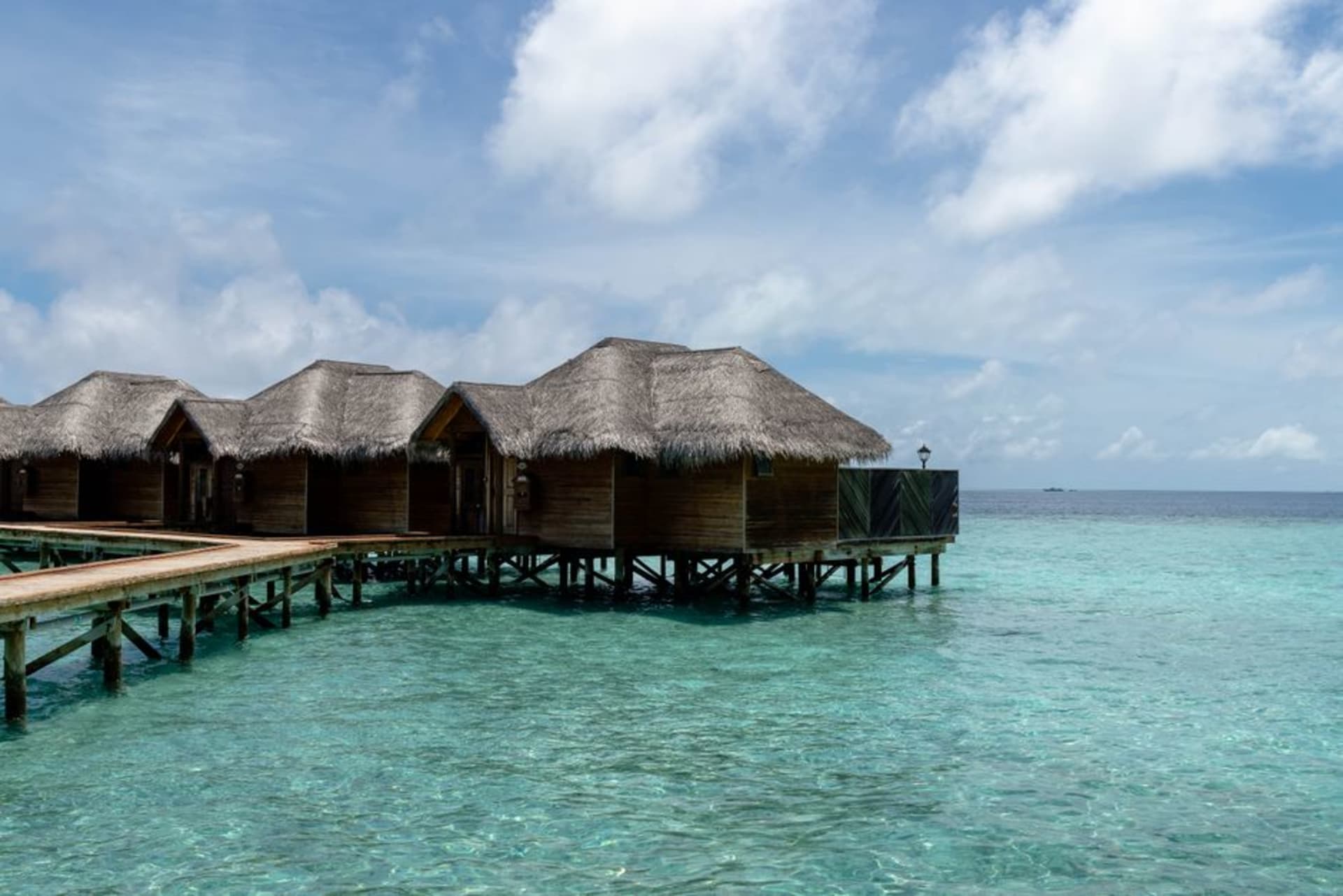
Derawan island itself is small enough to walk around in under an hour, ringed by stilted wooden guesthouses built directly over the water on the western side, facing a sunset that turns the whole lagoon the color of a bruise in the best possible way. I stayed in a room where you could lift a floor panel and watch reef fish move underneath your bed. The village runs on turtle conservation now in a way that feels earned rather than performed — a research station on the island tags and monitors nests, and locals who once harvested eggs largely work in tourism and patrol instead.
Kakaban’s lake and the disappearing sting
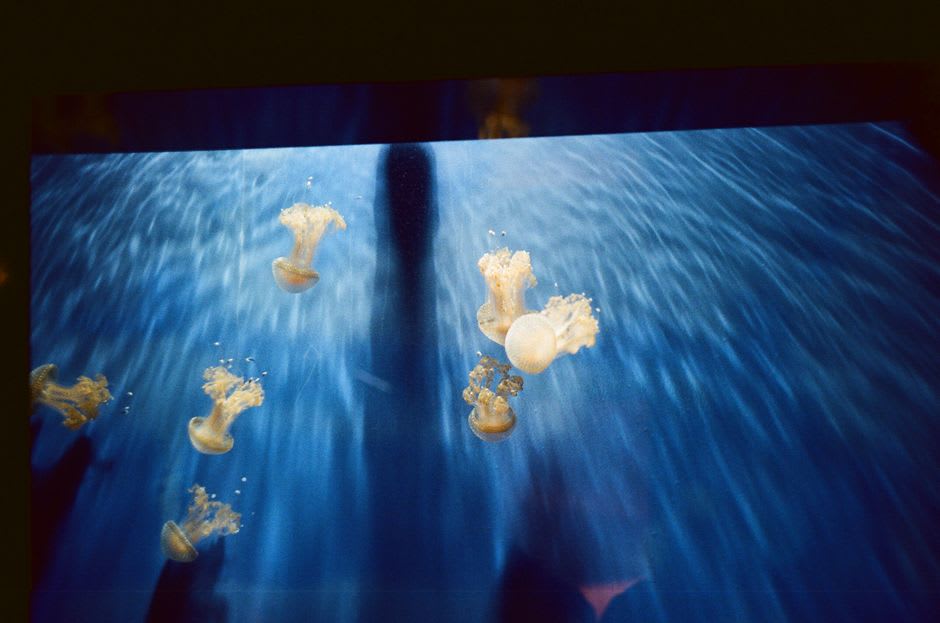
The real reason Derawan has a cult following, though, sits on a neighboring island called Kakaban, which is essentially a raised atoll enclosing a saltwater lake cut off from the ocean for so long — over a hundred thousand years — that its resident jellyfish evolved without any natural predators and, over generations, lost most of their ability to sting. You hike fifteen sweaty minutes over jagged fossilized coral to reach the lake, then slide into water thick with millions of golden and moon jellyfish that bump against your skin, your mask, your hands, with nothing more than a faint tickle. It is one of only two such lakes on Earth open to swimmers, the other being in Palau, and floating in the middle of it, surrounded by pulsing translucent bodies catching the light filtering through jungle canopy, is genuinely disorienting in a way few travel experiences manage.
The diving around the archipelago is the other draw, and it earns the reputation. Sangalaki island is a manta ray cleaning station where you can watch them glide past in loose formation without ever touching the water yourself, snorkel only. Maratua’s walls drop into blue water thick with barracuda and reef sharks, and the whole region sits within the Coral Triangle, the global epicenter of marine biodiversity, which means even a mediocre dive site here would be a highlight anywhere else.
What stayed with me longest wasn’t any single dive or the jellyfish lake, though. It was the pace — no clubs, no beach bars blasting music, just the slap of water against stilts and fishermen heading out before dawn in narrow wooden boats painted in colors that seemed to argue with the sunrise.
When to go: April through November brings the driest weather and calmest seas for the boat crossings; manta sightings at Sangalaki peak roughly May through September. Avoid the rainy season from December to March, when swells make interisland transfers rough.