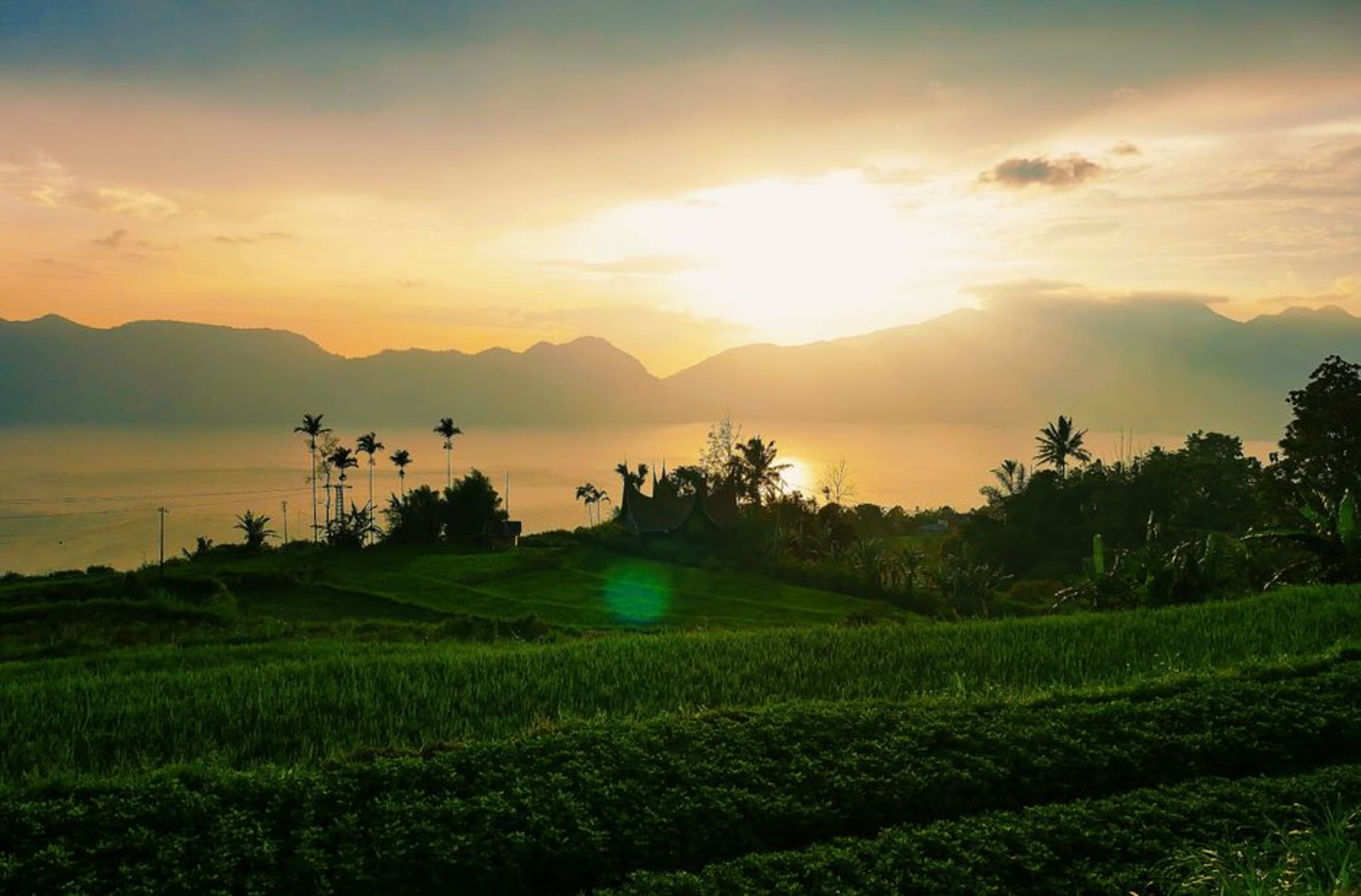
Danau Singkarak
"The old Dutch railway still hugs the shoreline here, tracing the exact curve of a lake that's slowly running out of its most famous fish."
A Minangkabau lake so entwined with a single small fish that its cuisine, its economy, and its slow decline all trace back to one endemic species.
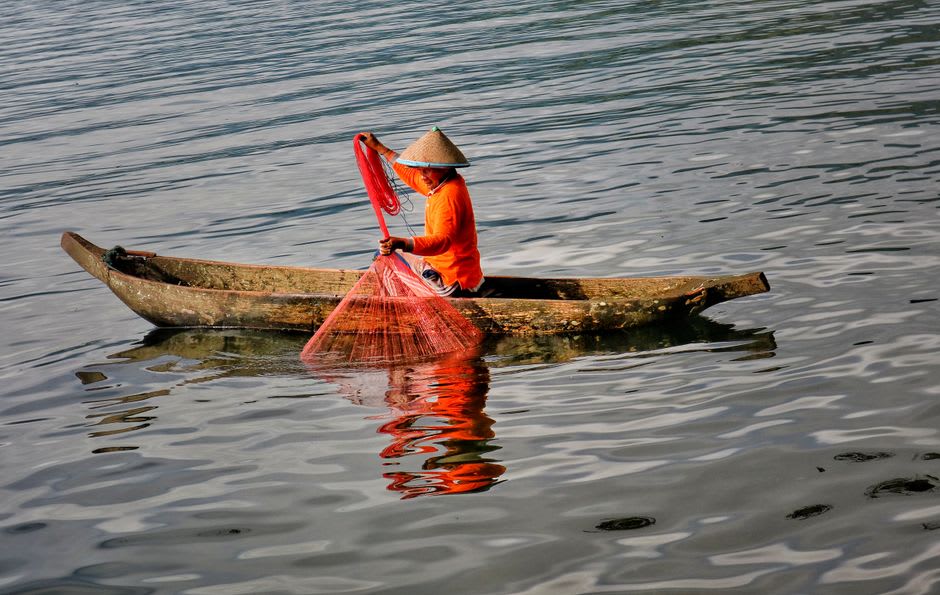
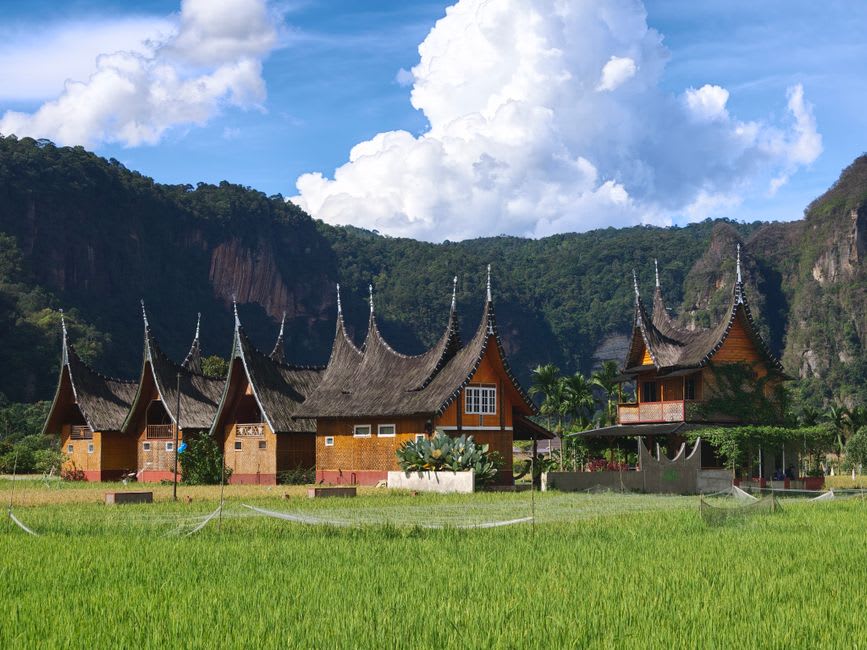
Danau Singkarak sits in a long tectonic depression in West Sumatra, straddling the border between Tanah Datar and Solok regencies, and at roughly 108 square kilometers it’s the second-largest lake on the island after Toba — though it carries none of Toba’s tourist-brochure fame. That’s part of what I liked about it. The hills around the shoreline are terraced with rice and dotted with Minangkabau villages, their houses topped with the distinctive curved, buffalo-horn roofline (rumah gadang architecture) that you see across this matrilineal culture’s heartland, and the lake itself has a working, lived-in quality rather than a curated one. Fishermen work the water at dawn from narrow wooden boats, nets strung low, and the whole scene felt less like a destination than a place people simply continue living exactly as they always have.
That fishing tradition centers on one very particular fish: the bilih, a small, silvery species found naturally nowhere else on earth outside this single lake. For generations bilih has been West Sumatra’s signature delicacy, fried whole and crisp, sold dried and salted in markets across the province, woven so deeply into local cuisine that a meal of rendang without a side of ikan bilih goreng felt, to more than one Minangkabau friend I traveled with, faintly incomplete. But the story has a harder edge to it now: overfishing, the introduction of competing nile tilapia, and pollution from surrounding agriculture have pushed bilih populations into steep decline over the past two decades, and the fish is now considered critically endangered in the wild. Buying a plate of it at a lakeside warung carries a strange weight once you know that — a taste of something that may not be there for the next generation the way it was for this one.
Colonial rails and modern wheels
One of the more unexpected things about Singkarak is the railway that runs along its western shore, laid by the Dutch in the late 1800s to move coal from the Ombilin mines inland to the port at Padang. The line still traces the lake’s edge in places, the track close enough to the water that old photographs of steam trains skirting Singkarak look almost too picturesque to be real. Much of the network has since fallen into disuse or been repurposed, but stretches near the lake remain, quiet reminders of an entirely different economic era, back when this valley’s value to Batavia was measured in tonnage rather than scenery.
More recently the lake found a new kind of fame as the centerpiece of the Tour de Singkarak, an international road cycling race that has looped through West Sumatra annually since 2009, drawing teams from across Asia and beyond to ride the lakeside roads and surrounding mountain passes. It says something about Singkarak’s character that its two defining modern landmarks — a colonial coal railway and a modern international bike race — both exist because the road tracing this shoreline happens to be genuinely, unusually beautiful, curve after curve of water and green hillside that no engineer particularly needed to improve on.
When to go: May to September for the driest roads and clearest lake views; if cycling or racing culture interests you, the Tour de Singkarak typically runs in November, which brings a rare burst of energy to otherwise quiet lakeside towns.