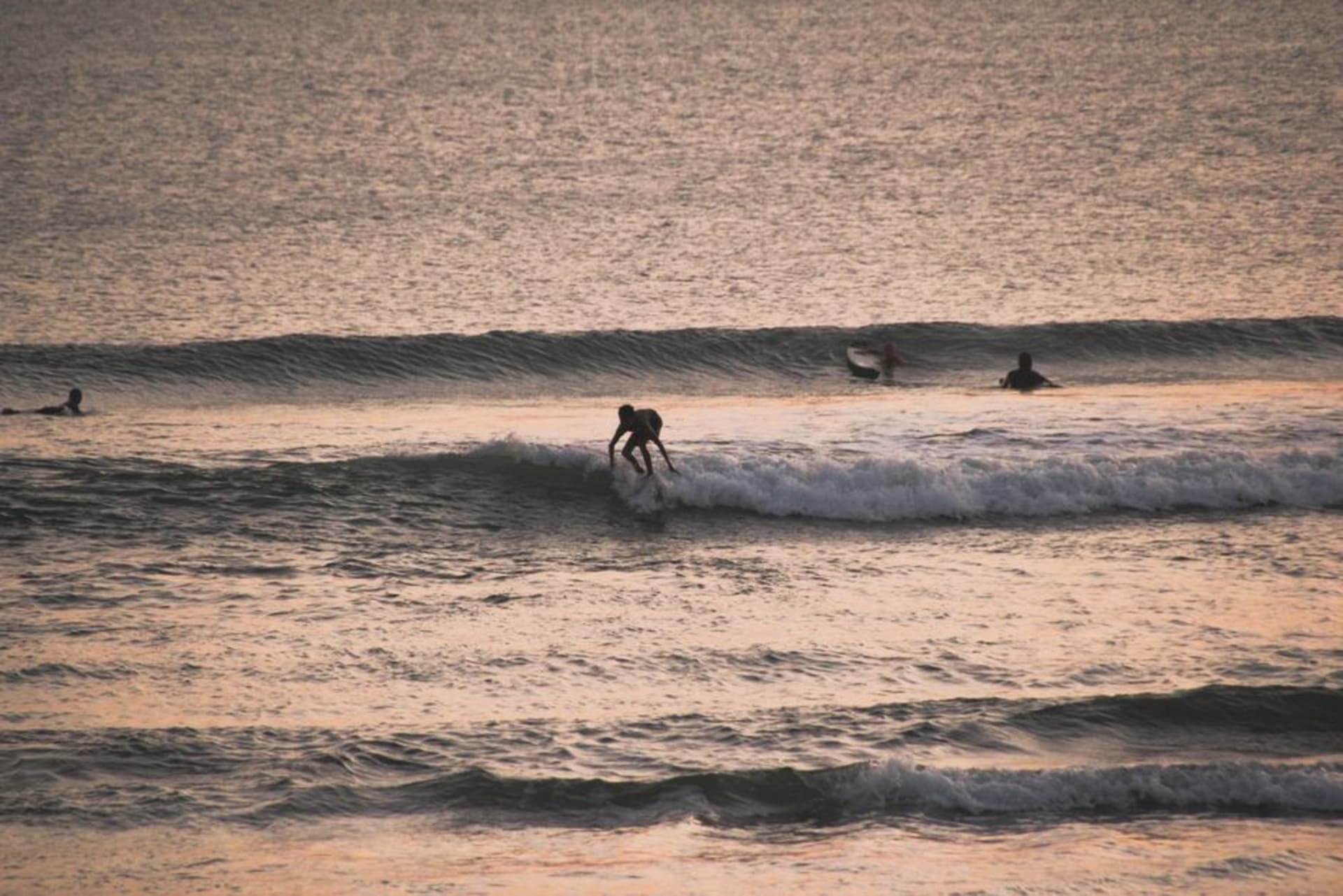
Rice paddies bulldozed for coworking spaces, black-sand surf breaks crowded with laptops on the beach — Canggu is Bali's most honest argument about what tourism does to a place.
Canggu used to be described, in every guidebook from a decade ago, as the “quiet alternative” to Kuta. That sentence hasn’t been true for a while now, and anyone who tells you otherwise hasn’t sat in the traffic on Jalan Raya Canggu at 5pm, wedged between a hundred scooters and a Land Cruiser trying to get to a beach club. I say this with real affection, because I lived here for two months and understood exactly why it happened — the black volcanic sand at Batu Bolong and Echo Beach holds a genuinely good beginner-to-intermediate wave, the light in the late afternoon is extraordinary, and the whole place runs on an easy, barefoot informality that’s hard to manufacture anywhere else.
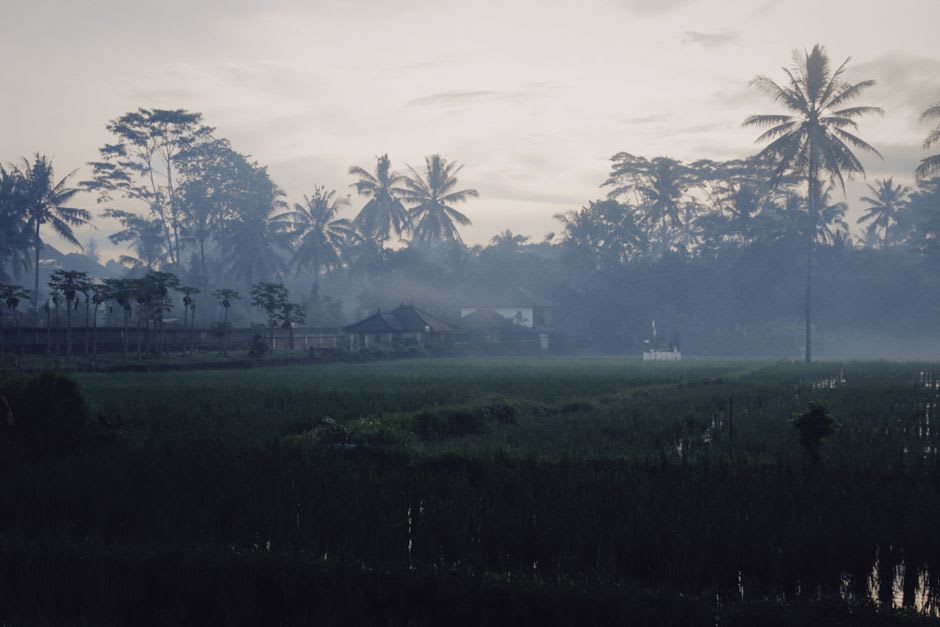
The name itself comes from the subak system — Bali’s UNESCO-recognized cooperative irrigation network, centuries old, run by farmer collectives called subak that manage water sharing for rice terraces across the island. You can still see fragments of that landscape if you ride north past Berawa toward Pererenan, where the paddies haven’t yet been sold off for villas, egrets stalking through the flooded fields at dawn while a construction crew pours concrete for the next co-living space fifty meters away. It’s an uncomfortable juxtaposition and I don’t think anyone here, foreign or Balinese, has fully made peace with it.
Surf, coffee, and the economy that ate a village
The wave at Echo Beach — Pantai Batu Mejan, if you want its actual name — breaks over a reef a short paddle out, and it’s become one of the most photographed breaks on the island, largely because of the black sand and the way the sunset backlights every surfer paddling back in. Batu Bolong, closer to the village center, has a rock arch just offshore that gives the beach its name and a softer, sandier bottom more forgiving for beginners. Both beaches get busy by mid-morning with a mix of long-term expats, digital nomads working from beachfront cafes, and Balinese surf instructors who’ve been riding these breaks since before Canggu had a single espresso machine.
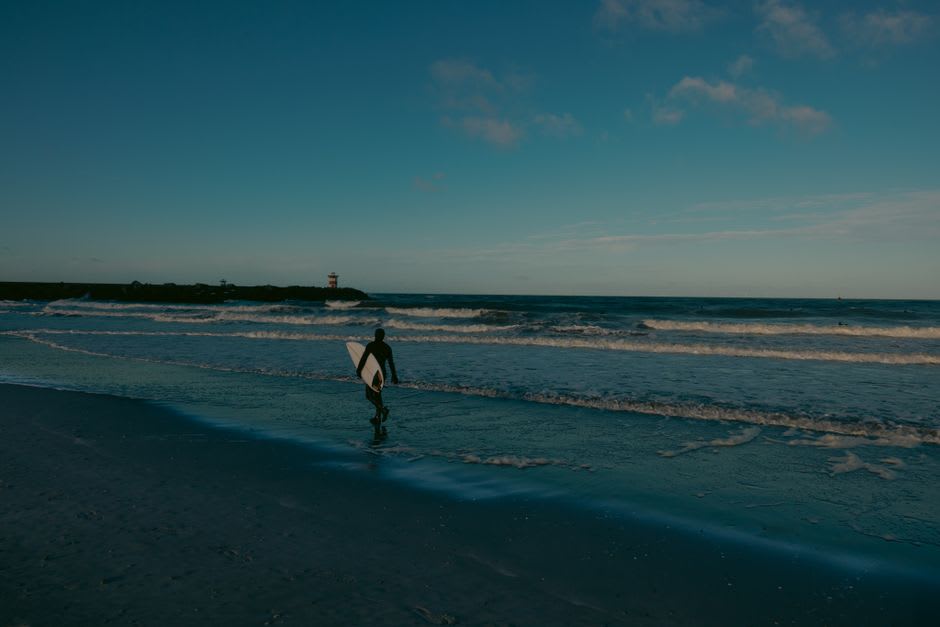
Pura Batu Bolong itself, the small temple built on the rock formation at the beach’s edge, is easy to miss amid the surf schools and warung stalls, but it’s a working temple with regular ceremonies, and I’d occasionally see a procession of women in white and gold carrying fruit offerings past sunbathing tourists who had no idea what they were witnessing. That collision — sacred and casual, ancient and improvised — is Canggu’s whole personality in one frame.
When to go: April to October for dry weather and the best surf conditions, though Canggu is busy year-round now. Weekday mornings, before the beach clubs open, are still the closest thing left to the quiet version everyone remembers.