Bunaken
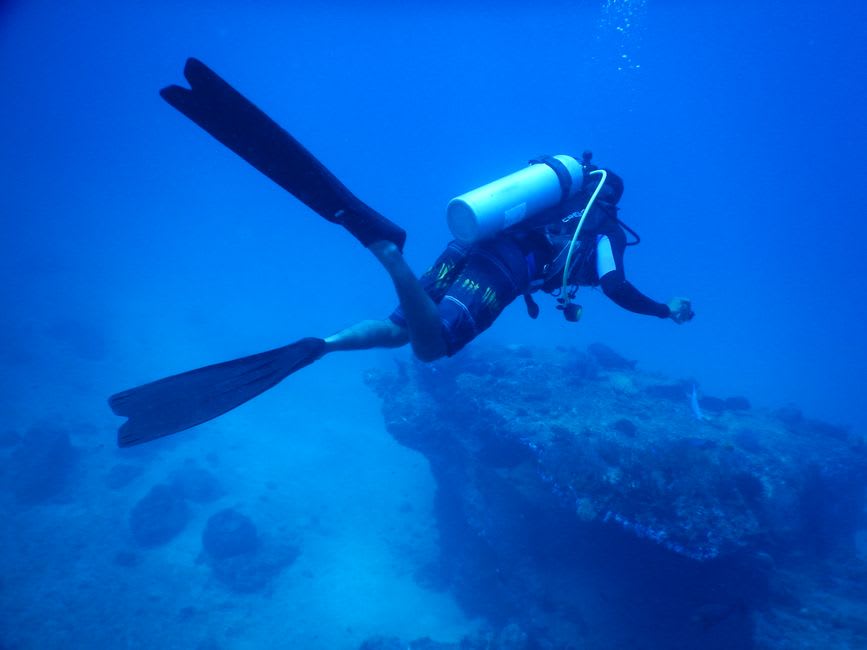
"I have never felt smaller, or happier about it, than hanging in open water above a wall that goes down for six hundred meters."
A speck of coral-fringed land off Manado where the seafloor drops away into a blue so total it feels like falling.
I got to Bunaken the unglamorous way — a public boat from Manado’s old port, wedged between sacks of rice and a family taking a fan the size of a manhole cover home to relatives on the island. It takes about forty minutes if the water’s calm, longer if it isn’t, and nobody on board seemed bothered by either outcome. That unbotheredness turned out to be the island’s whole personality. Bunaken doesn’t perform for you. It just happens to sit on top of one of the most improbable pieces of geology in the Coral Triangle, and everyone there has arranged their lives around that fact without much fuss.
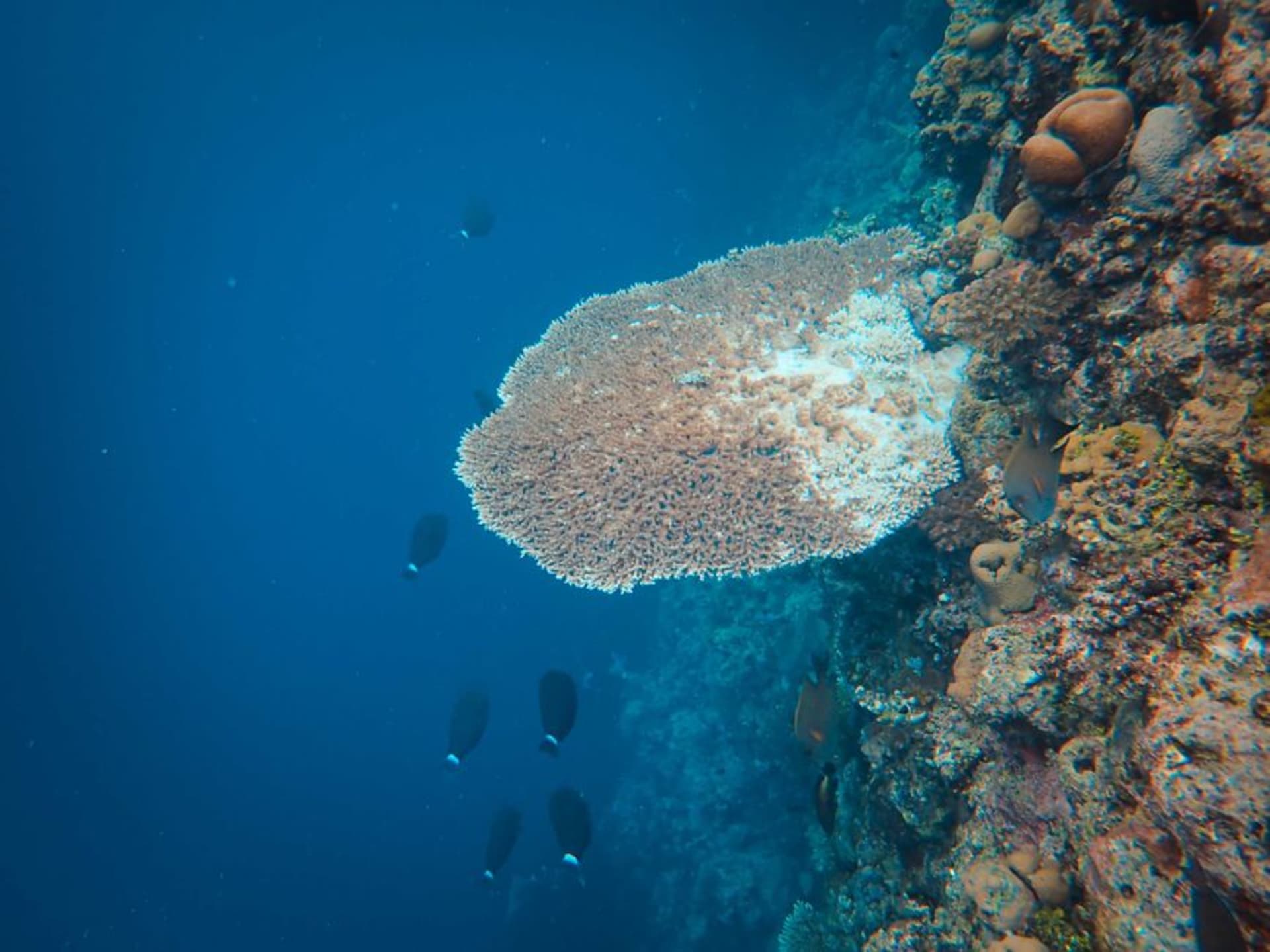
The reason divers have been finding their way to this seven-square-kilometer island since the 1970s is the wall. Bunaken National Marine Park, gazetted in 1991 as one of Indonesia’s first, protects a series of near-vertical drop-offs where the reef shelf simply quits and the seafloor plunges to depths past 1,500 meters just offshore. You can be finning along a shallow coral garden at eight meters and then the reef just ends, like the edge of a table, and you’re staring into blue that has no bottom you can see. Fusiliers move through it in silver sheets. Napoleon wrasse the size of coffee tables cruise past with an indifference that borders on insulting. I did a single dive at Lekuan and surfaced with my hands actually shaking, which hadn’t happened to me since I was learning to drive.
Life above the waterline
What surprised me was how much I liked the island once I dried off. Bunaken village, on the eastern shore, is a loose scatter of homestays and warungs where the electricity still runs on generators in some corners and the internet arrives, if at all, like a rumor. Minahasan cooking dominates the plates here — think grilled fish rubbed with rica, the fiery chili-and-shallot paste that shows up in nearly everything from this corner of Sulawesi, alongside woku sauces built on turmeric, lemongrass, and torch ginger flower. I ate red snapper cooked in banana leaf on a plastic table six feet from the tideline and decided it was one of the better meals of the whole Sulawesi leg of the trip, no competition from the ambiance required because the ambiance did all the work itself.
The island’s population is mostly Bajau and Sangir in origin, seafaring peoples whose relationship to this water predates the marine park by centuries, and you feel that inherited fluency everywhere — in the kids who swim like it’s just an extension of walking, in the fishermen working hand lines off outriggers at dusk with a patience that looks less like a technique and more like a way of thinking. There’s a small mangrove boardwalk on the island’s northwest side that locals use to explain the marine park’s fragility to visiting school groups, a reminder that Bunaken’s reefs, healthy as they still look, exist under real pressure from warming seas and the sheer volume of boats that now idle above them.

I didn’t rush the island. I spent one whole afternoon doing nothing but reading in a hammock strung between two coconut palms, watching the tide expose a shelf of dead coral rubble and then swallow it back up a few hours later, and I don’t regret a minute of that either. Bunaken rewards the unhurried in both directions — down in the blue and up in the shade.
When to go: May through November brings the driest weather and the clearest visibility, with the calmest crossings from Manado; visibility can still run 15-20 meters even in the wetter months if you’re not picky.