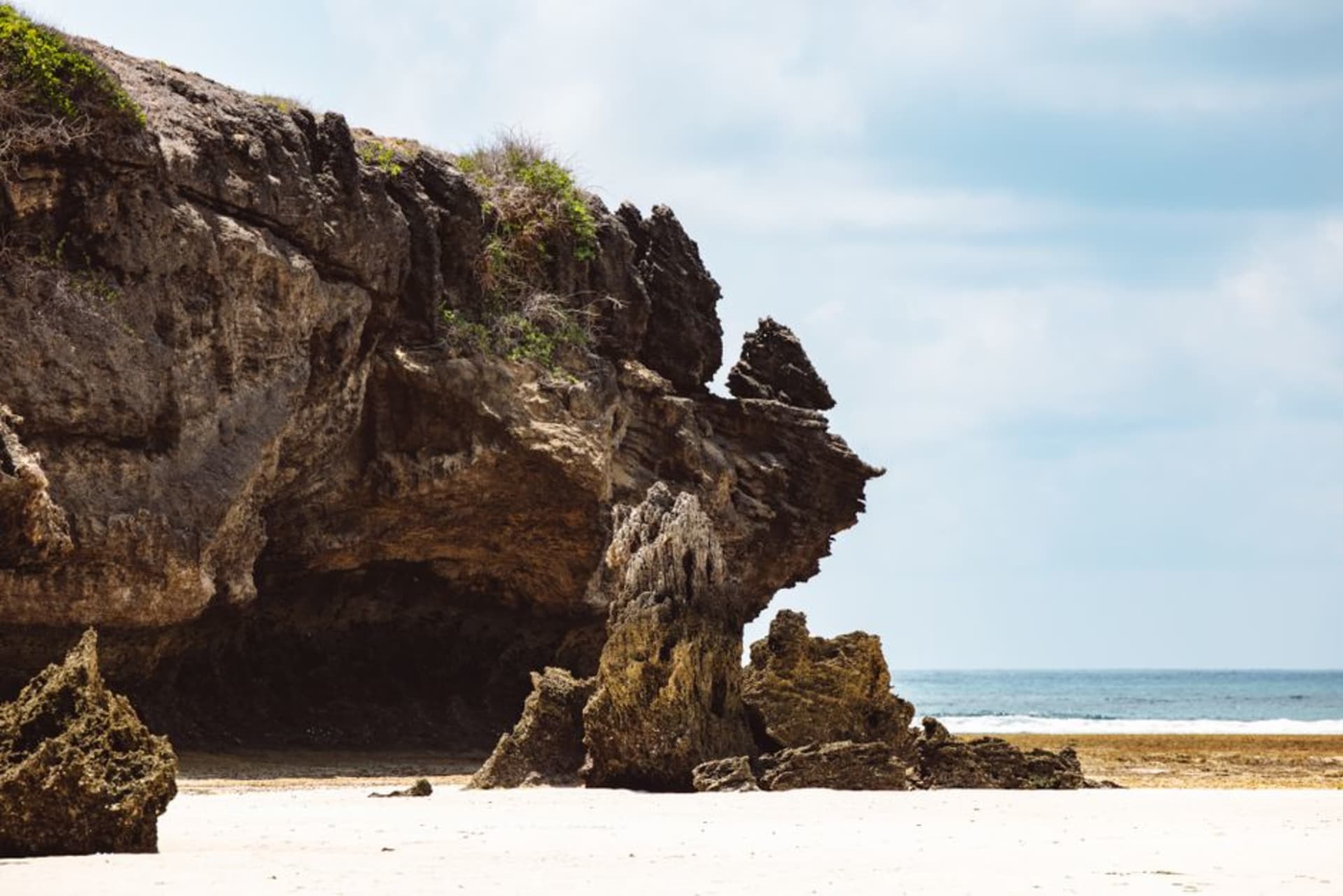
Tanjung Bira
"I came for the beach and left thinking about boatbuilders — that's the trick this place plays on you."
White sand at the southern tip of Sulawesi, and a shipyard where wooden schooners are still built by hand the way they've been built for generations.
The drive down to Tanjung Bira from Makassar takes about five hours if the road cooperates, threading south through Bulukumba regency past rice paddies and roadside stalls selling durian by the crate. It is not a quick trip, and that alone filters out most of the crowd you’d find on Bali. What’s waiting at the end is a curve of genuinely white sand — the kind that squeaks underfoot, fine and coral-derived rather than the darker volcanic sand common elsewhere in Indonesia — backed by limestone cliffs and a sea that shifts through about four distinct shades of turquoise depending on where the reef shelf sits below the surface.
I stayed in a simple bungalow above the main beach and spent the first day doing exactly what you’d expect: swimming out past the moored boats, drying off on a beach chair, watching day-trippers from Makassar pile out of minibuses for a few hours before heading back. But Bira’s real story isn’t the beach. It’s what happens a short walk inland, in the villages of Ara and Tanah Beru, where the Bugis people have been building phinisi schooners by hand for centuries.
The boatbuilders of Ara
The phinisi is arguably Indonesia’s most iconic vessel — a twin-masted wooden schooner, traditionally built without formal blueprints, the design passed down through generations of shipwrights who work from memory and eye rather than drawings. UNESCO recognized the boatbuilding tradition of South Sulawesi as Intangible Cultural Heritage in 2017, and watching it happen in person explains why. In the yards around Tanah Beru, I watched men adze massive ironwood and teak planks by hand, fitting hull sections together using wooden dowels rather than nails in certain sections, a technique that traces back to Austronesian shipbuilding traditions centuries old. Some of these hulls take a year or more to complete and end up as luxury liveaboard dive boats sailing the length of the archipelago, which means the boat that eventually carries divers to Komodo or Raja Ampat may well have started its life on a beach in Bulukumba, shaped by hand tools and generational memory rather than a shipyard computer.
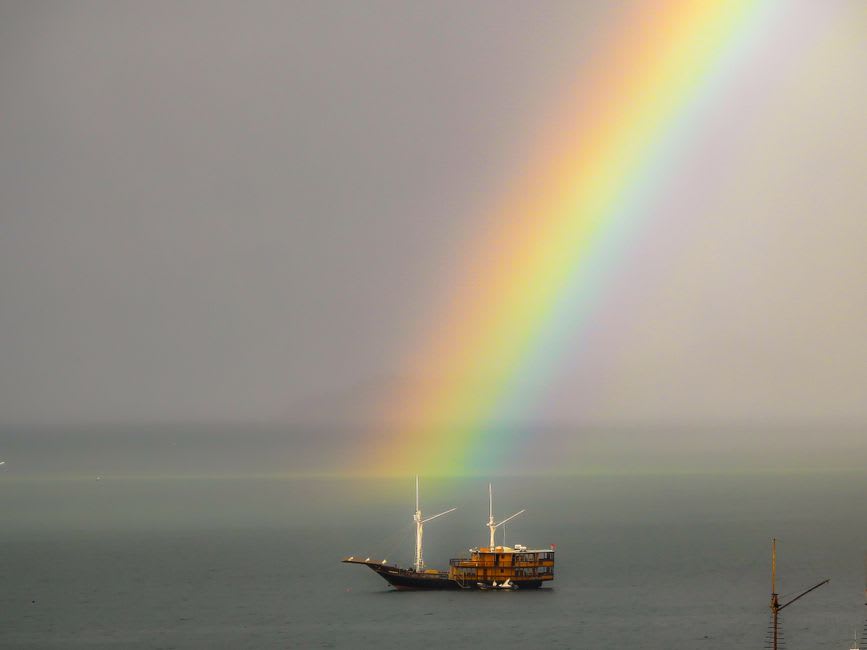
The Bugis themselves have a seafaring reputation that runs deep through Indonesian and even regional Southeast Asian history — some etymologies trace the English word “bogeyman” back to European sailors’ wary respect (or fear) of Bugis mariners and traders who ranged across the archipelago for centuries. Standing in a boatyard watching a hull take shape plank by plank, that reputation stops being a linguistic curiosity and starts making practical sense.
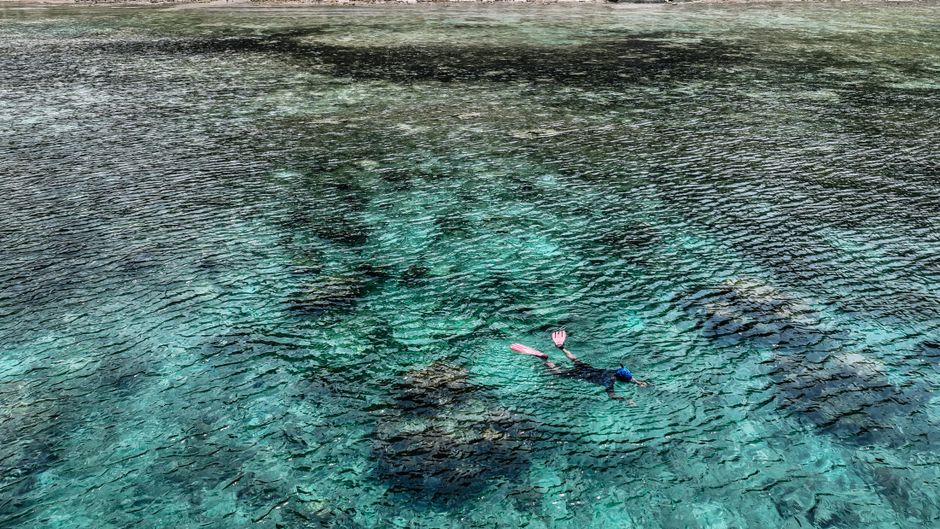
Back at the beach in the evenings, the pace slows to something close to nothing. Local families set up small grills along the sand, kids play sepak takraw in the last light, and the boats moored offshore rock gently against a sky that goes orange and then a deep, undramatic navy. Bira doesn’t try to be Bali, and it shouldn’t. It’s a working coastline that happens to have a spectacular beach attached, not the other way around.
When to go: April through October offers the driest, calmest conditions for both swimming and the crossing to nearby Selayar; avoid the peak of the west monsoon in January and February when seas get rough.