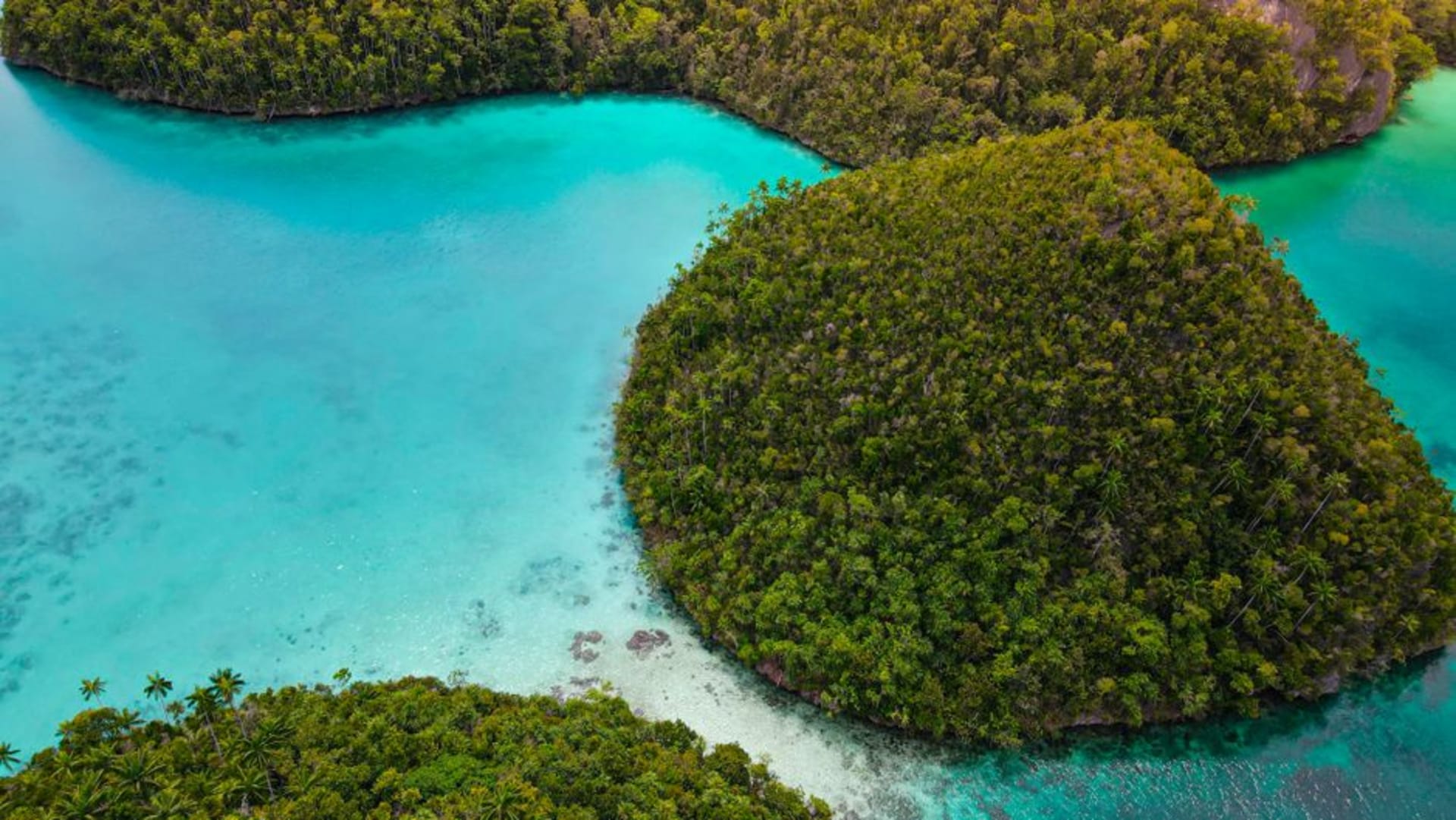
A wartime airstrip, a limestone cave full of ghosts, and some of the emptiest, bluest water I have ever floated in.
I landed in Biak expecting a stopover and stayed a week, which is roughly the correct ratio of expectation to reality for this part of Indonesia. Biak sits just north of the Papuan mainland, a coral-limestone island that the Dutch and then, briefly and violently, the Japanese and Americans fought over in 1944. The airstrip that dominates the town’s flat northern plain — still one of the longest runways in Indonesia, a Cold War-era relic built for emergency Space Shuttle landings that never happened — is the first clue that this island’s geography made it strategically important long before anyone cared about its water.
That water is the reason to actually come. Biak sits at the western edge of the Bird’s Head Seascape, the same current system that feeds Raja Ampat’s reefs, and the diving here is criminally underrated precisely because everyone flies past it toward the more famous islands. I spent two days at Wardo Bay and around the outer reef drop-offs where the wall falls away into cobalt nothing and the visibility runs forty meters on a good day. There are wrecks too — American and Japanese planes and landing craft still sitting on the sandy bottom, barnacled and half-swallowed by coral, silent the way only sunken machinery can be silent.
Goa Binsari and the weight of the war
Inland, Goa Binsari is the site that stays with you longer than any reef. It’s a limestone cave system that Japanese forces used as a fortified bunker during the Battle of Biak in 1944, and when American forces sealed the entrances with fuel and explosives, thousands of Japanese soldiers and Biak civilians died inside. Walking through the cool, dripping chambers now, with sunlight slicing down through collapsed ceiling sections and the jungle pressing in at the entrance, I felt the specific quiet that sits over places where something terrible happened and was never fully reckoned with. Local guides will point out rusted helmets and cartridge casings still embedded in the cave floor, left as they fell.

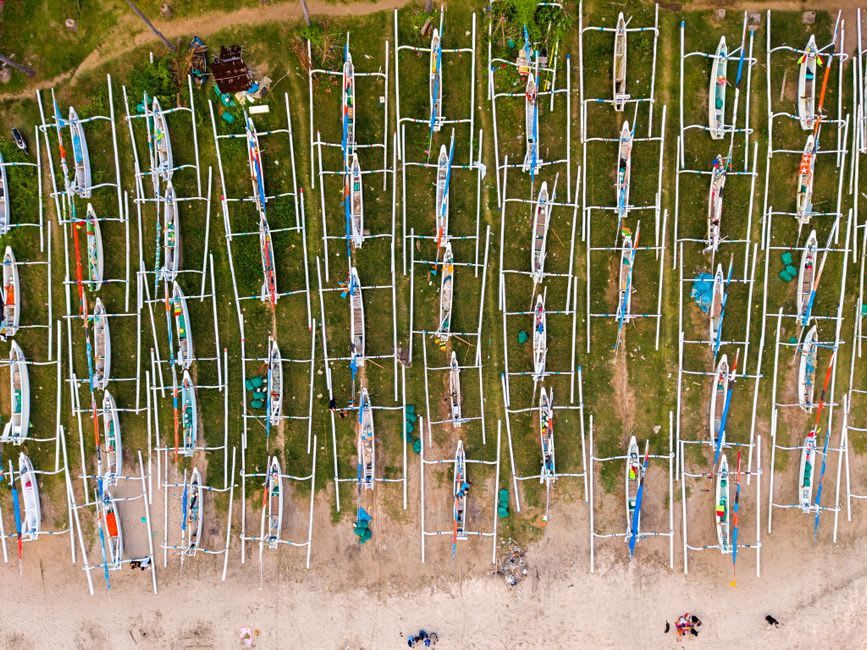
Biak town itself is modest — a grid of low buildings, a busy pasar selling sago grubs and reef fish, churches announcing themselves on nearly every block, a legacy of the Dutch missionaries who reshaped this part of Papua a century ago. The Biak people speak their own language, distinct from Indonesian, and their outrigger canoes, painted in bright reds and blues, still line the beaches near the harbor the way they must have for generations, war or no war.
What struck me most, though, was how little of this island performs for visitors. There’s no polished dive resort strip, no infrastructure built around the tourist gaze. You eat where the ferry crew eats. You dive because you found someone with a boat and a compressor, not because a website sold you a package. It’s a rougher, more honest version of the Raja Ampat fantasy, and I mean that as the highest compliment I can give a place.
When to go: May through October, during Papua’s dry season, gives the calmest seas and best underwater visibility; avoid the January–March wet season when swells make boat access to the outer reefs unreliable.