Batu
"The hill town that decided one volcano view wasn't enough and built a theme park on top of it anyway."
East Java's apple-scented hill town, where Dutch villas, volcanic slopes, and a genuinely odd theme-park obsession collide above Malang.
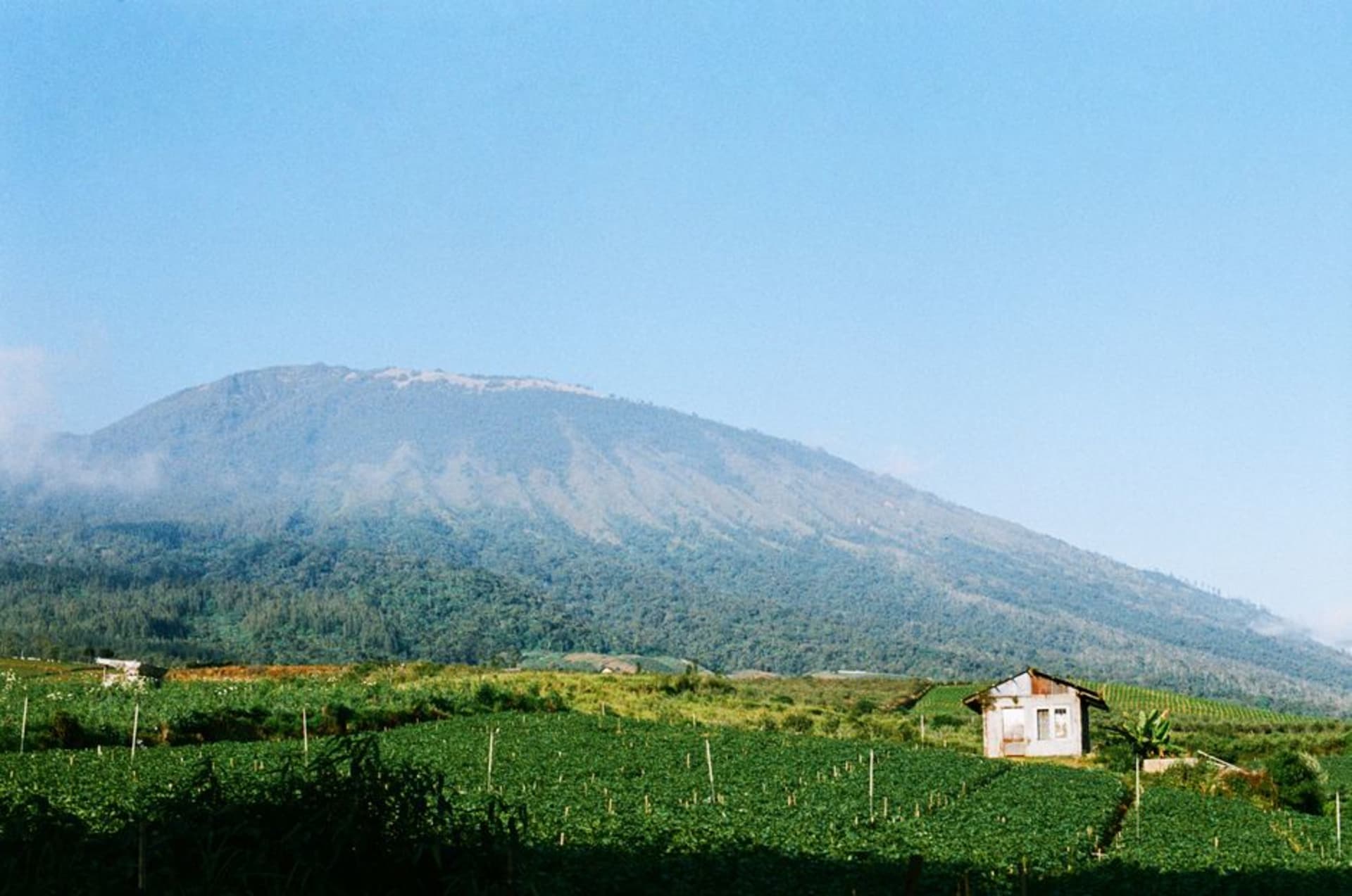
I’d been warned that Batu was “the Bandung of the east,” and after a few days I understood the shorthand without fully agreeing with it. Yes, it’s a cool highland escape a short climb above a bigger city — Malang, in this case, rather than Bandung — and yes, the Dutch built villas here in the colonial era for the same reason, chasing altitude and relief from the tropical heat below. But Batu has developed its own identity since, one built less around heritage architecture and more around an almost aggressive commitment to family entertainment. This is a town with a Jatim Park complex, a Museum Angkut built around vintage vehicles staged inside recreated European streetscapes, and a Batu Night Spectacular full of fairground rides lit up against the dark hillside. It shouldn’t work, thematically, sandwiched as it is between two of Java’s most significant volcanoes, and yet somehow it does — Indonesian families come in enormous numbers, and the sheer commitment to the bit is charming once you stop expecting quiet.
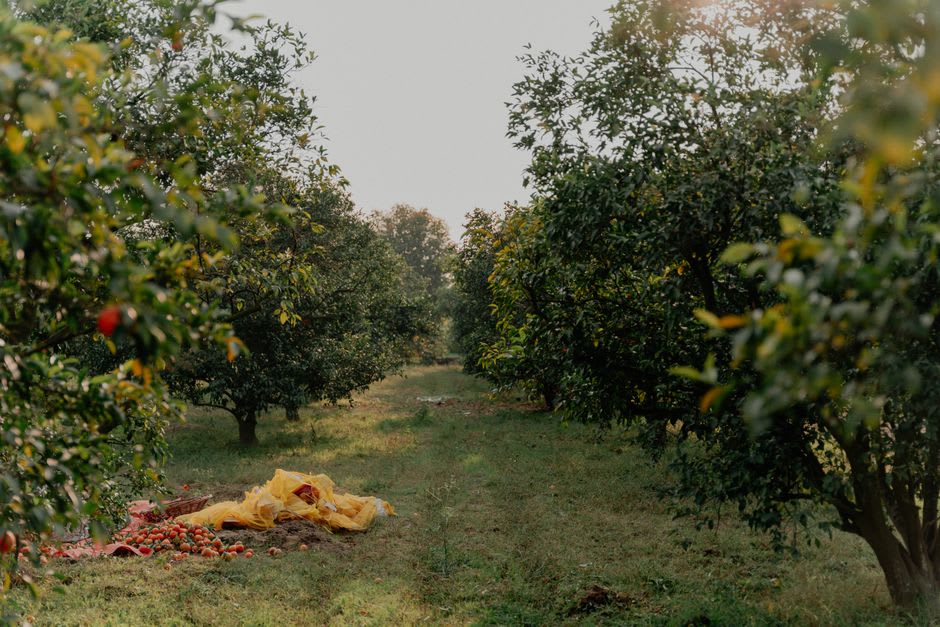
The quiet is still there if you go looking, though, mostly in the apple orchards that give Batu its other identity as East Java’s fruit basket. Kusuma Agrowisata and smaller family orchards around the town let you pick your own Rome Beauty and Manalagi apples straight off low branches, a tradition that dates back to Dutch-era plantings and that locals have kept commercially viable ever since — Batu apples get sold across East Java as a point of regional pride. I ate more of them, straight off the tree, still warm from the sun, than I’d eaten in the previous year combined.
Between two volcanoes
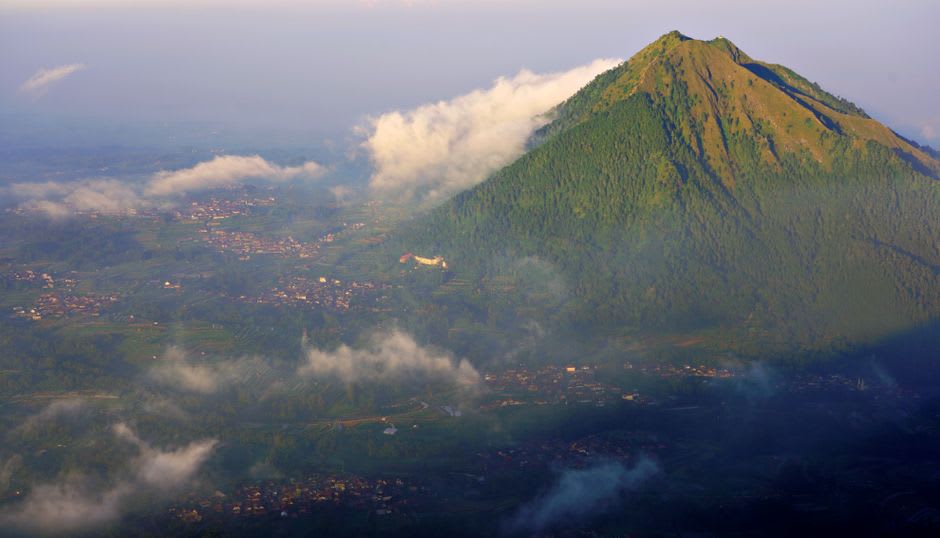
What actually justifies the trip, beyond the orchards and the theme parks, is the geography. Batu sits in a saddle between Mount Arjuno-Welirang to the north and the Bromo-Tengger-Semeru massif visible to the east, and the town serves as a common staging point for trips up to Mount Panderman or further out toward Bromo’s otherworldly volcanic sea of sand. I hiked partway up Panderman one early morning specifically for the sunrise view back over Batu’s rooftops toward Kawi and Arjuno, the town still wrapped in mist below, motorbikes just starting to move on the roads, apple-sellers setting up stalls before the day-trippers arrived from Surabaya and Malang.
There’s also Coban Rondo, a waterfall a short drive west that’s been a local excursion spot for generations, its name tied to a Majapahit-era legend about a widow (the literal meaning of “rondo”) waiting by the falls — one of the many small local myths that Javanese hill towns seem to generate around any dramatic piece of water. I sat there with a bag of just-picked apples and let the noise of the falls drown out the theme-park soundtrack still ringing faintly in my ears from the night before.
When to go: April to October for dry trails and clear volcano views; apple harvest peaks roughly June through August, when orchards are fullest for picking.