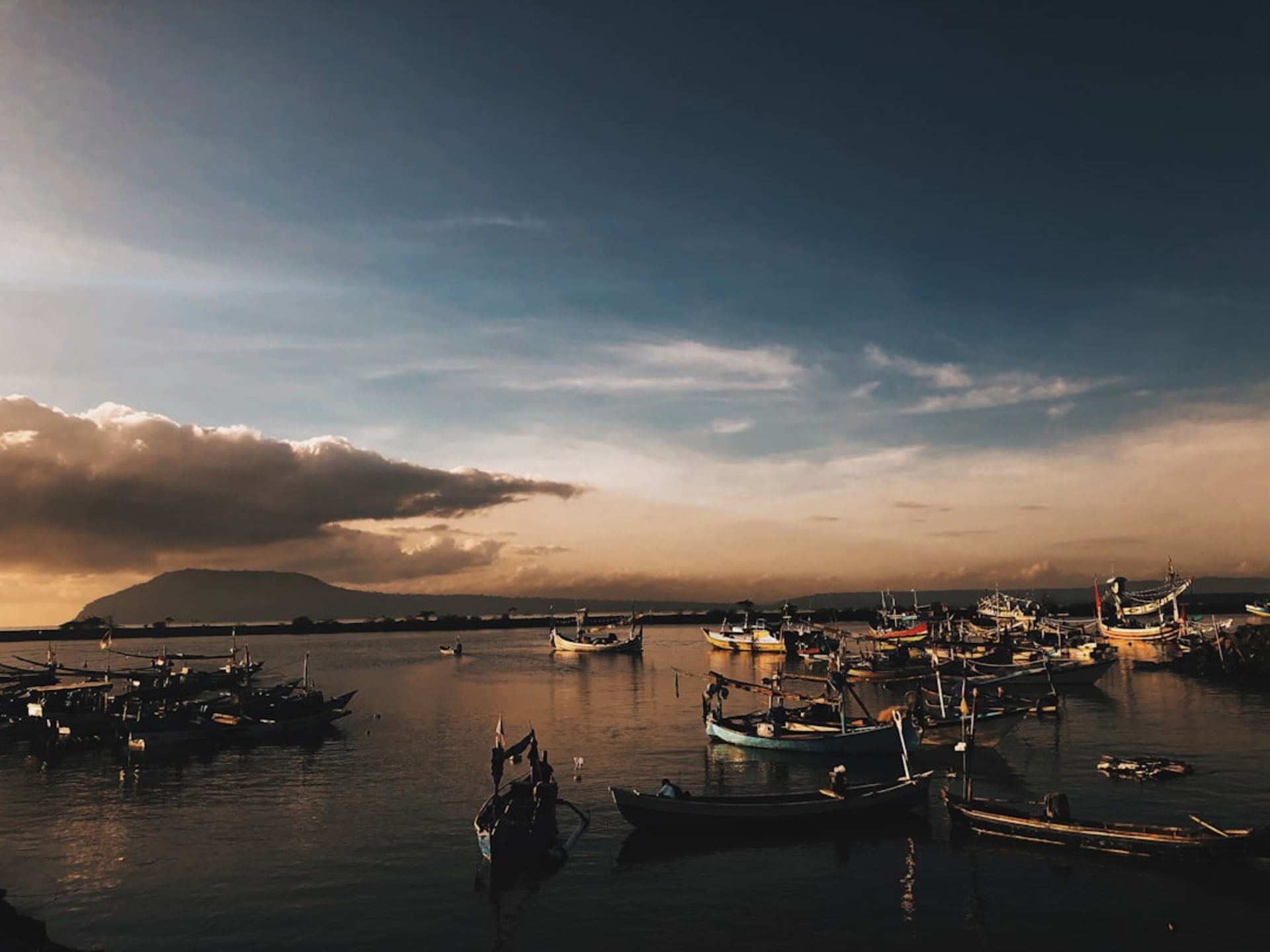
Java's easternmost frontier town, where volcano, jungle, and reef sit close enough together that you can surf and freeze in the same day.
Everyone passes through Banyuwangi. Almost no one stays. It’s the terminus of Java, the port town where the ferry to Bali’s Gilimanuk leaves every twenty minutes or so, and for most travelers it’s a blur seen through a bus window between Kawah Ijen and the Bali ferry terminal. I made the mistake of doing the same thing on my first trip east, and it wasn’t until a Javanese friend from Surabaya scolded me for it that I went back and gave the place three actual days.
Banyuwangi’s history explains its odd character. This was Blambangan, the last Hindu kingdom on Java to resist both the Islamic sultanates spreading from the west and, later, Dutch colonial control — it held out well into the 18th century, and the region’s cultural identity still carries that stubbornness. The Osing people, descendants of the old Blambangan population, maintain traditions distinct from the rest of Java: their own dialect, their own gamelan styles, and the Gandrung dance, a trance-adjacent performance tradition that predates Islam’s arrival and still opens the town’s annual festival calendar. Walk through Kemiren village, an Osing cultural settlement a short drive from the city center, and you’ll find looms still working, ceremonies still observed on the old calendar, and a hospitality that has nothing performed about it — I was handed a plate of pecel pitik, shredded chicken in grated coconut, by a woman who simply assumed I was hungry, which I was.
Where the landscapes stop making sense
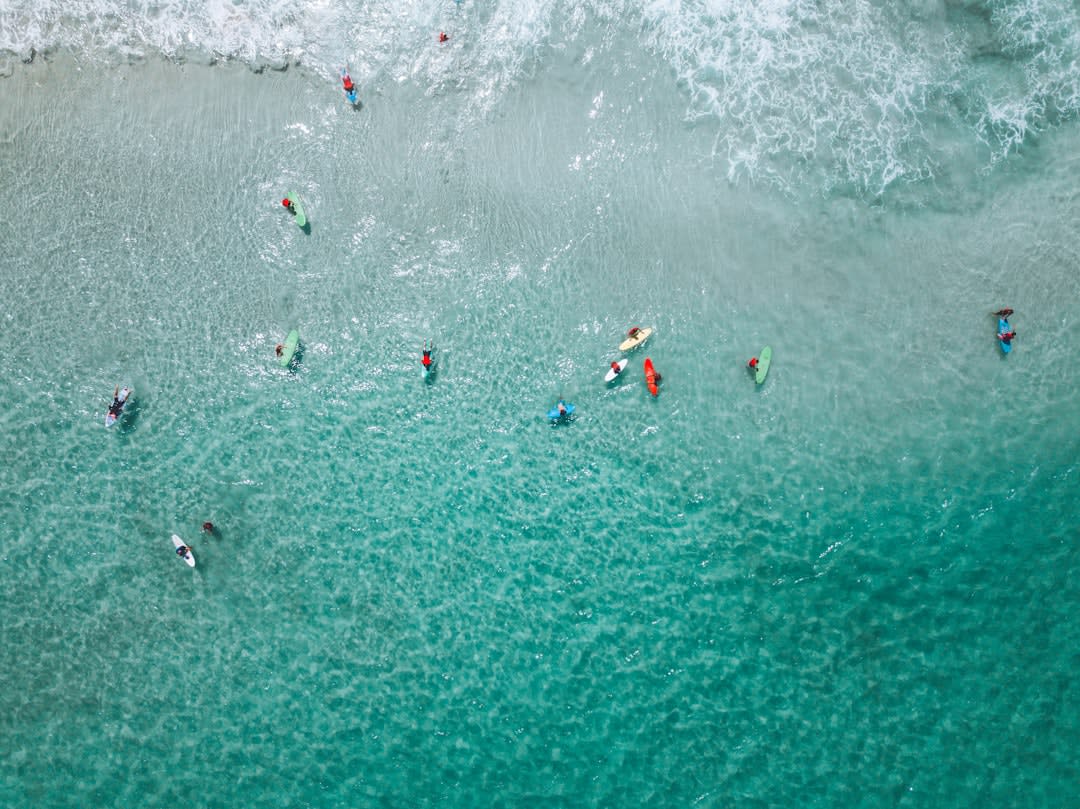
What makes Banyuwangi genuinely strange, in the best way, is its geography. Within an hour’s drive of the city you can reach Kawah Ijen’s blue-fire crater, the misty highland tea plantations around Kalibaru, and Sukamade beach, where green sea turtles nest on black volcanic sand inside Meru Betiri National Park. Go the other direction and you hit Plengkung, known internationally to surfers as G-Land, one of the longest and most consistent left-hand barrels in the world, tucked inside Alas Purwo National Park — a forest so thick with old-growth teak and mystical reputation that Javanese pilgrims still come to meditate in its caves.

I spent a morning at Pantai Boom, the town’s own unglamorous beach where families picnic and fishermen mend nets, and an afternoon the same day watching G-Land’s swell from the cliffs above Plengkung with a group of Australian surfers who’d flown in specifically for that wave and barely glanced at the town itself. That contrast — locals treating the coastline as backyard, foreigners treating it as pilgrimage site — sums up Banyuwangi pretty well.
The city itself has quietly rebranded as “The Sunrise of Java” over the last decade, investing in a genuinely good airport and a series of festivals — the Banyuwangi Ethno Carnival among them — designed to pull travelers off the Ijen-to-Bali conveyor belt for even a day or two. It’s working, slowly. The night market along Jalan Basuki Rahmat, thick with rujak soto and sego tempong (rice buried under fried fish, tofu, and a chili sambal that made my eyes water in the good way), still felt like a local secret when I found it.
When to go: May through September for dry-season access to Ijen and Sukamade’s turtle nesting season; June through August for the most reliable swell at G-Land.