Bantimurung
"Alfred Russel Wallace called it a paradise for butterflies. I called it the loudest silence I've ever stood in."
A waterfall roaring into a limestone amphitheater where thousands of butterflies once moved like confetti thrown by the jungle itself.
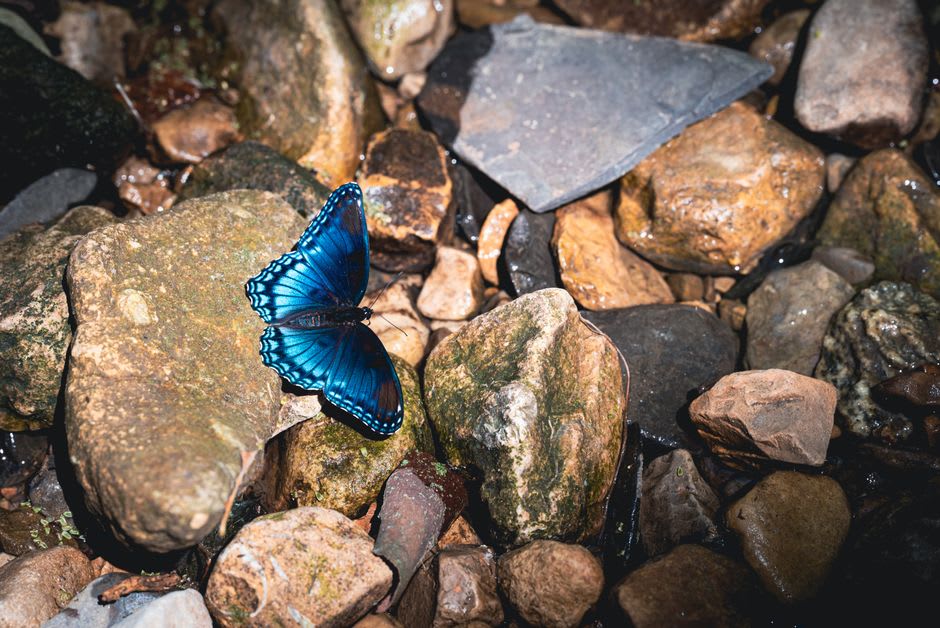
I came to Bantimurung expecting a waterfall and left thinking about a Victorian naturalist. Alfred Russel Wallace, the man who arrived at natural selection alongside Darwin, spent weeks around this stretch of South Sulawesi in the 1850s cataloguing butterflies with an obsessiveness that borders on devotion. He wasn’t exaggerating. Bantimurung sits inside a limestone karst landscape so riddled with the right microclimate — humid, shaded, full of nectar-heavy blooms — that it became one of the richest butterfly habitats he’d ever documented, earning the whole area the nickname “The Kingdom of Butterflies.” Species counts here run past a hundred, including swallowtails found almost nowhere else on the planet.
The waterfall itself announces the place before you see it. It drops in tiers down a wall of pale karst rock into a wide, cool pool, and on any weekend the pool is full of Makassarese families wading in with their clothes on, kids shrieking at the cold, teenagers climbing the slick rock ledges to jump from heights their parents are yelling at them about. It’s not a serene, empty-nature kind of waterfall — it’s a communal one, closer to a town square that happens to have a cliff of falling water at its center. I liked it more for that. There’s something honest about a natural wonder that locals actually use rather than merely photograph.
Into the Karst
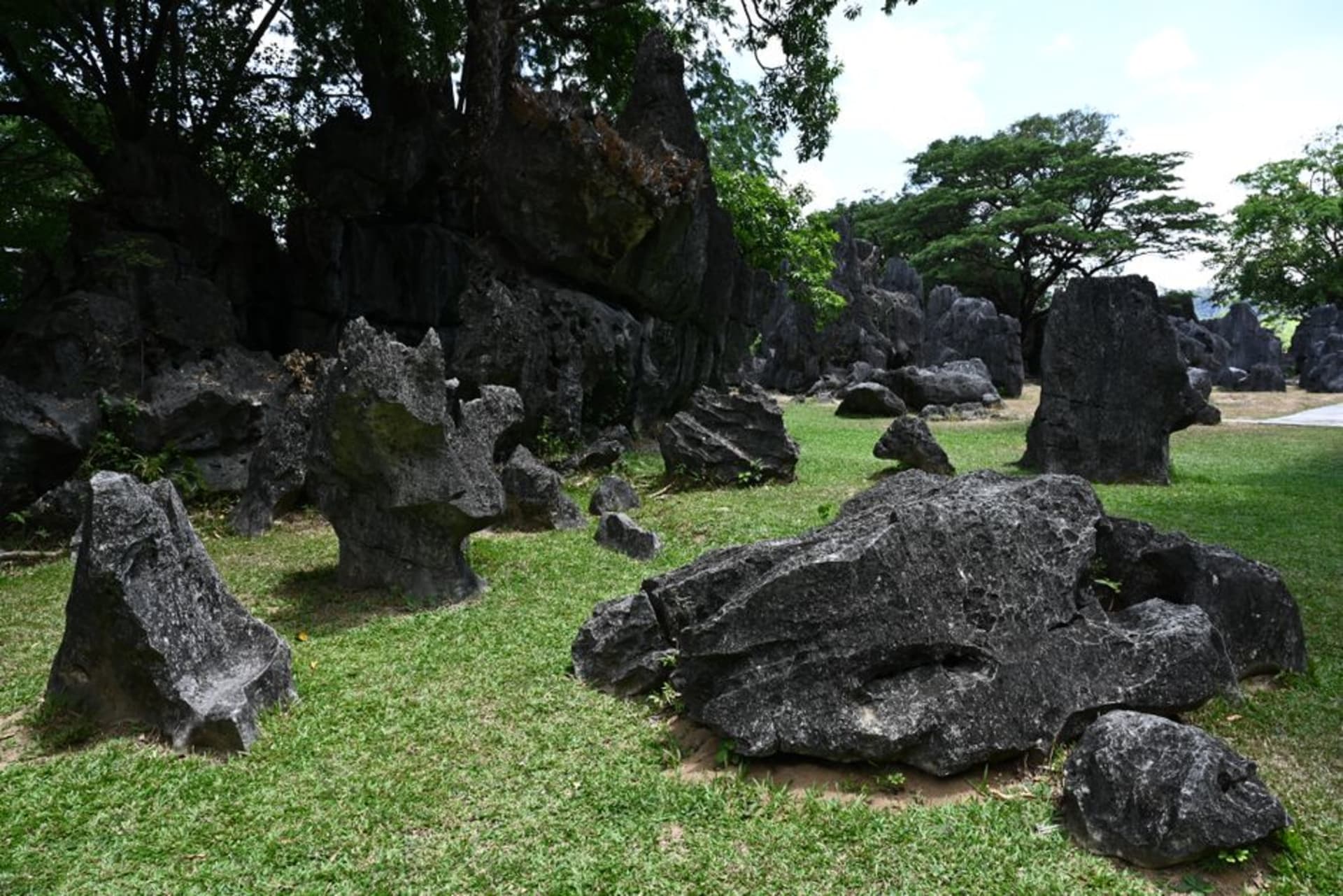
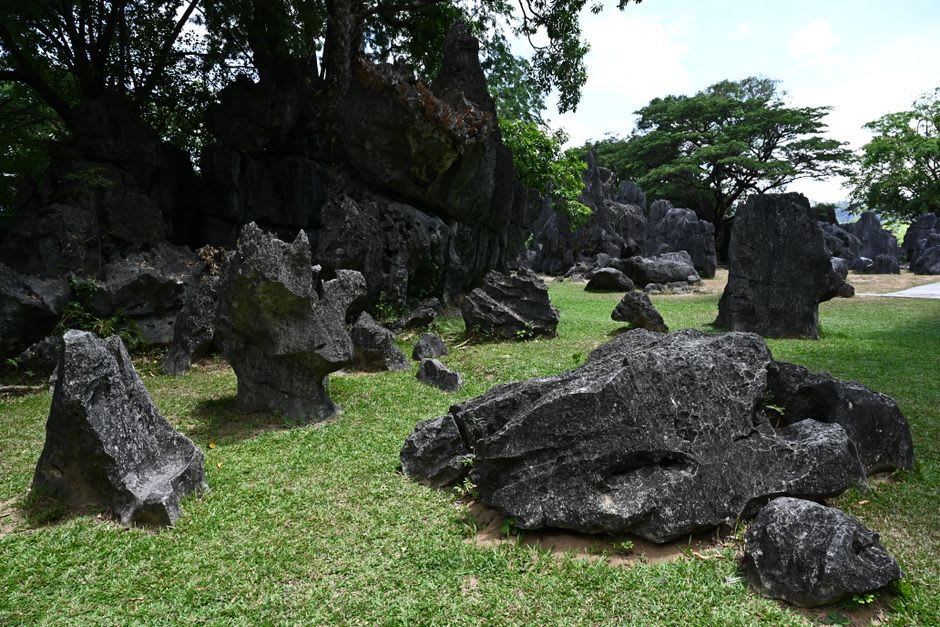
What pulls Bantimurung beyond a swim-and-picnic stop is the limestone itself. The whole region belongs to the Maros-Pangkep karst, one of the largest karst systems in the world, riddled with caves that have quietly rewritten what we know about human history. Nearby, in caves like Leang-Leang, archaeologists found hand stencils and animal paintings dated to roughly 45,000 years ago — among the oldest figurative art discovered anywhere, older than most of what’s celebrated in European cave art textbooks. Standing at the mouth of one of those limestone chambers, knowing a person pressed an ochre-covered palm to that rock tens of millennia before Bantimurung had a name, does something to your sense of scale that the waterfall, for all its noise, can’t quite match.
There’s a small museum near the falls, the Museum Kupu-Kupu, dedicated to the butterflies Wallace obsessed over — cases of pinned specimens in iridescent blues and yellows, some species now rarer than they were in his day thanks to collectors who took Wallace’s fascination a step too literally. It’s a modest building, a little dusty, but it does the job of tethering the spectacle outside to the science that first made this place famous. I spent twenty minutes there and came out watching the live butterflies drifting over the pool with a different kind of attention.
The Walk Up
Past the main pool, a stone staircase climbs alongside the cascade to a second, quieter waterfall and a series of caves — Gua Mimpi among them, dripping with stalactites lit by strings of colored lights that feel a bit garish until your eyes adjust and the formations themselves take over. Fewer people make the climb, which means the upper section rewards you with something the crowded lower pool can’t: quiet enough to actually hear the forest, the cicadas ratcheting up as the afternoon heat builds, water finding its way through stone on a schedule that predates every visitor who’s ever stood there with a camera.
When to go: Visit on a weekday morning if you want the pools to yourself and better odds of spotting butterflies before midday heat sends them into the shade; the dry season from May to September keeps trails less slippery and the water clearer.