Baluran National Park
"Everyone calls it Java's Africa, and then you actually see it and understand why."
Java's own miniature Africa — dry savanna, wild banteng cattle, and a dormant volcano standing over it all like it wandered in from another continent.
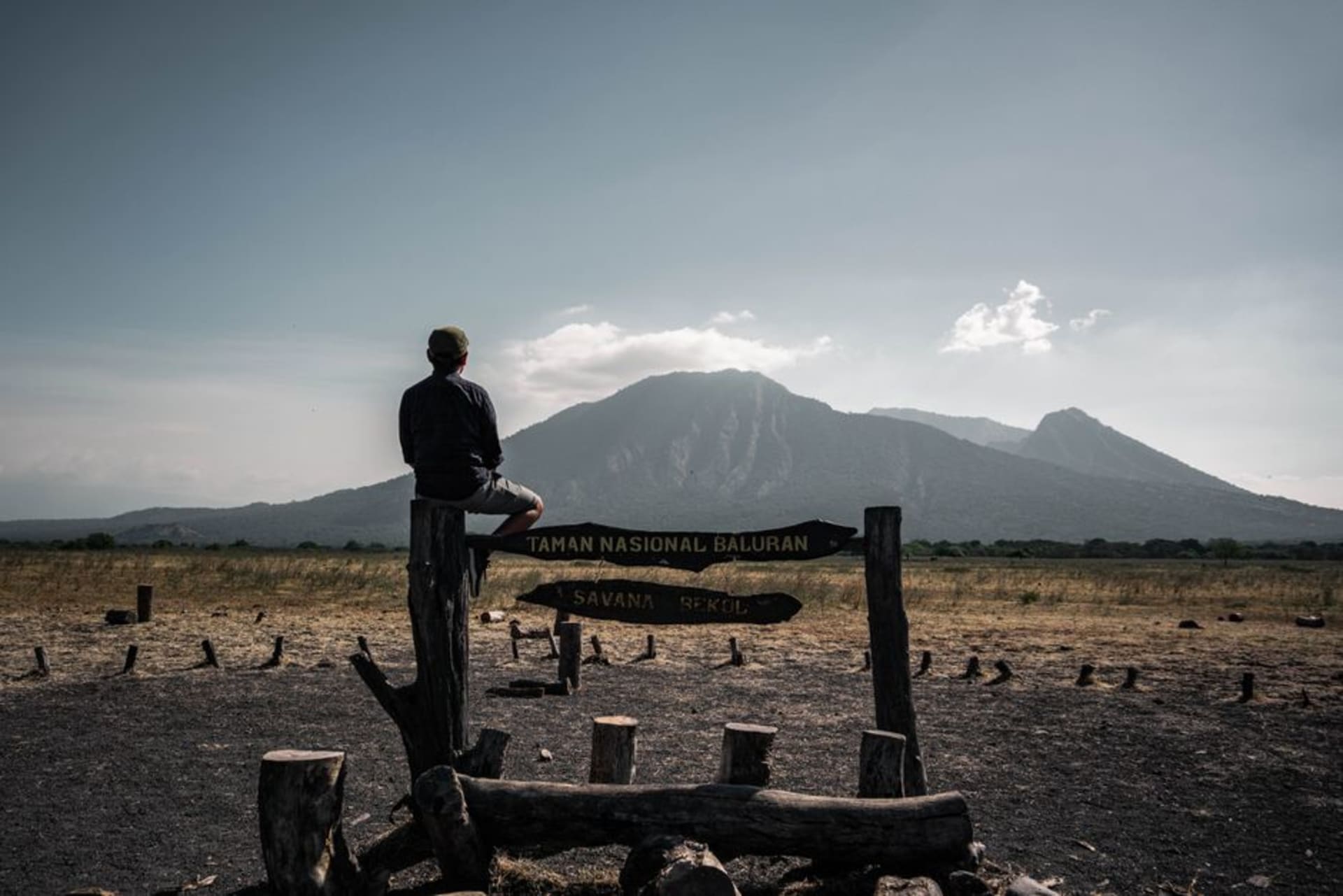
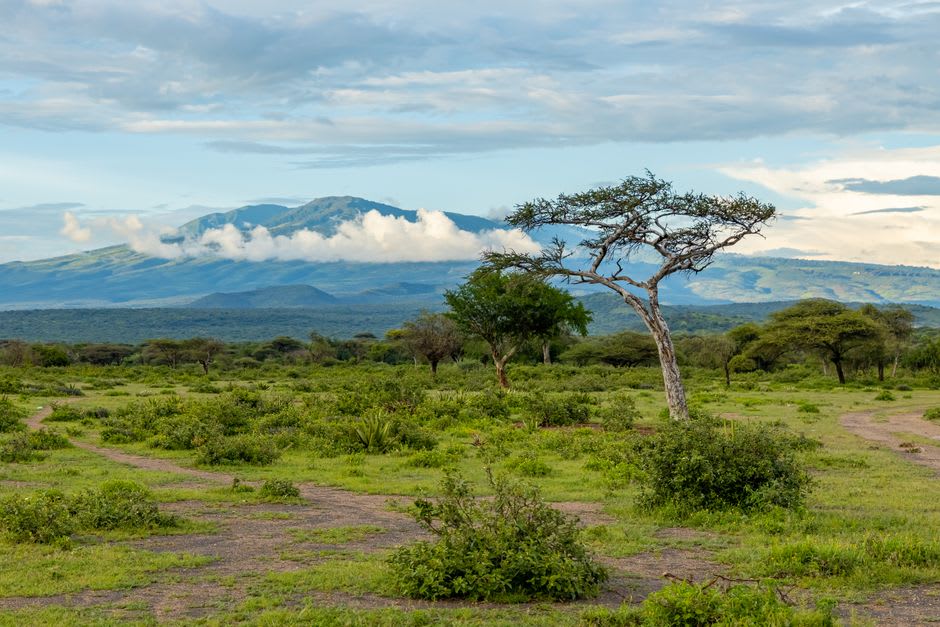
Nobody warned me how strange the landscape shift would be. I’d spent the previous week in the dense, dripping green of Java’s forests further west, and then I crossed into Baluran, at the island’s northeastern tip, and the trees just stopped. In their place: a rolling savanna of dry grass, scattered acacia and tamarind trees, and herds of wild cattle grazing under a volcano that looked, frankly, like it belonged somewhere else entirely. Locals and guidebooks alike have called this “Little Africa” for decades, and the comparison isn’t hype — Baluran is a genuine rain-shadow savanna, sitting in the dry lee of Gunung Baluran’s slopes, an ecological anomaly on an island otherwise defined by rice terraces and rainforest.
Baluran was declared a nature reserve by the Dutch colonial government back in 1937, largely at the urging of a Swiss zoologist, Alfred Hoogerwerf, who recognized the significance of the savanna ecosystem and pushed for its protection decades before Indonesia formalized it as a national park in 1980 — one of the country’s first five. The park spans about 250 square kilometers around the dormant volcano’s northern flank, ranging from savanna and monsoon forest down through mangroves to coral reef along the coast, which means you can, in a single day, move from watching banteng graze on dry grassland to snorkeling over reef fish at Bama Beach.
Banteng, savanna fires, and a volcano that never quite erupts
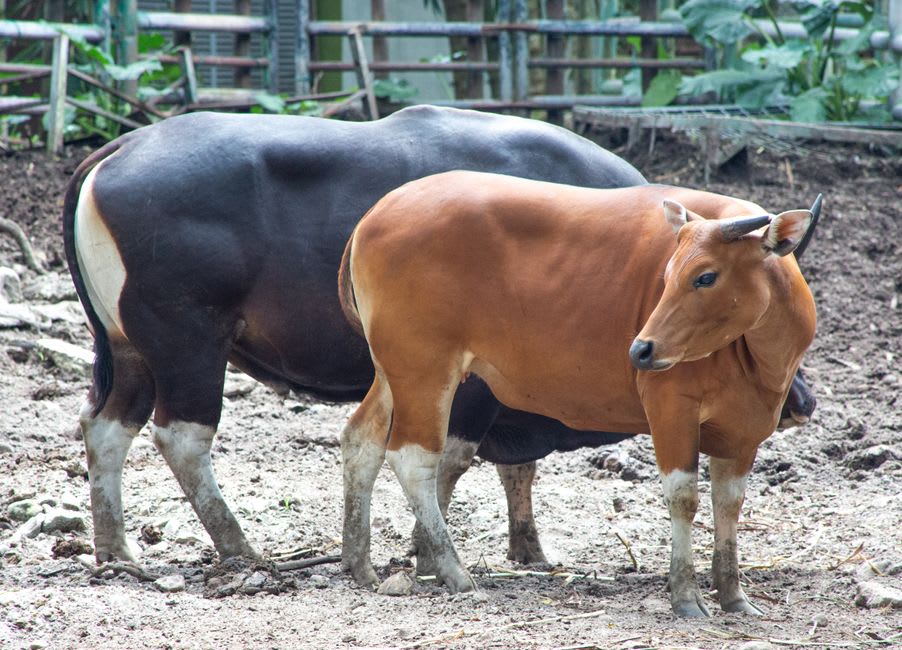
The banteng are the park’s signature animal — a wild ancestor of domesticated cattle, muscular and reddish-brown with distinctive white “socks,” now endangered across their range but still present here in numbers substantial enough that spotting a herd at dawn feels almost guaranteed if you’re patient. I sat with a ranger before sunrise at Bekol savanna, the park’s most famous viewing area, watching a herd move slowly across the grass while a pair of Javan langurs called from a tamarind tree nearby. Green peafowl, deer, wild boar, and occasionally a leopard track are the other regulars, though the leopards themselves stay well hidden.
The savanna’s dry-season color is its most photographed state — a gold-brown expanse that genuinely does read as African plain, especially with Gunung Baluran’s 1,247-meter cone rising behind it, a stratovolcano that has been dormant for centuries but still shapes the whole park’s climate through its rain shadow. In the wet season the grass turns green almost overnight and the whole character of the place shifts, softer and less otherworldly, which is part of why dry-season visits dominate the park’s reputation.
I ended the day at Bama Beach on the park’s eastern coast, where the savanna gives way abruptly to mangrove forest and a narrow beach patrolled by long-tailed macaques bold enough to steal food directly off a picnic mat if you look away. The snorkeling just offshore is unpretentious but decent, coral and reef fish in clear water, and I floated there at sunset with the volcano still visible behind the tree line, thinking that no single national park in Java packs this many contradictory landscapes into one place.
When to go: May through October, dry season, when the savanna turns gold and wildlife concentrates around the remaining waterholes at Bekol, making sightings far more reliable than during the green, wildlife-dispersed wet season.