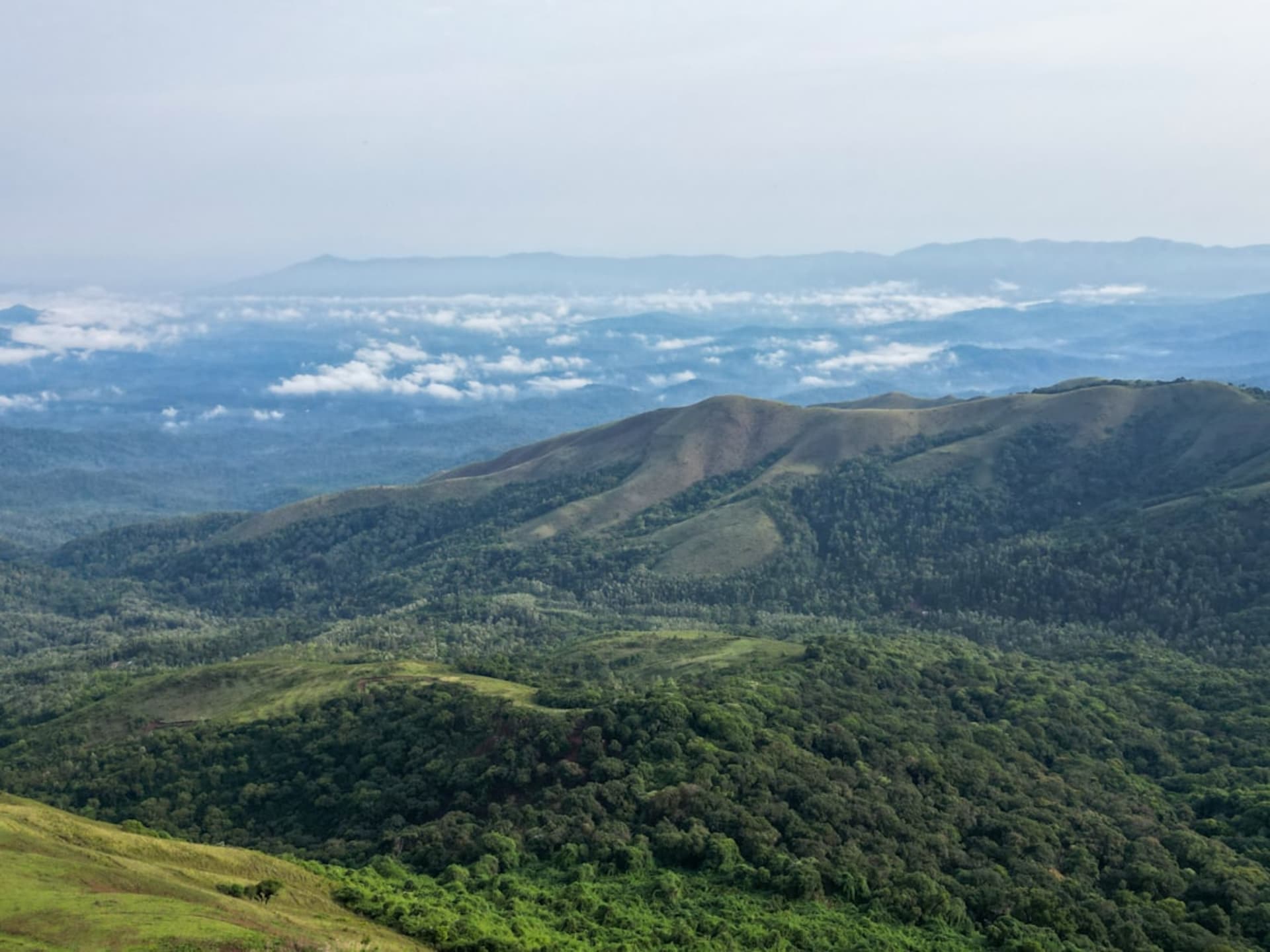
A Western Ghats wildlife district of spice plantations and ancient rock carvings, home to Adivasi tribal communities whose presence here predates every empire that followed.
I’d been warned that Wayanad’s wildlife sightings are a matter of luck rather than guarantee, and the first two days proved that warning right — nothing but alarm calls from langurs somewhere in the canopy and a single startled sambar deer crossing the road at dusk. Then, on the third morning, on a jeep safari inside the buffer zone near Muthanga, a wild elephant herd emerged from the tree line thirty meters off the track, unbothered, moving with a slow, deliberate patience that made every vehicle on the road stop engines and go silent at once. Nobody spoke for the ten minutes it took them to cross.
Petroglyphs Older Than the Forest Around Them
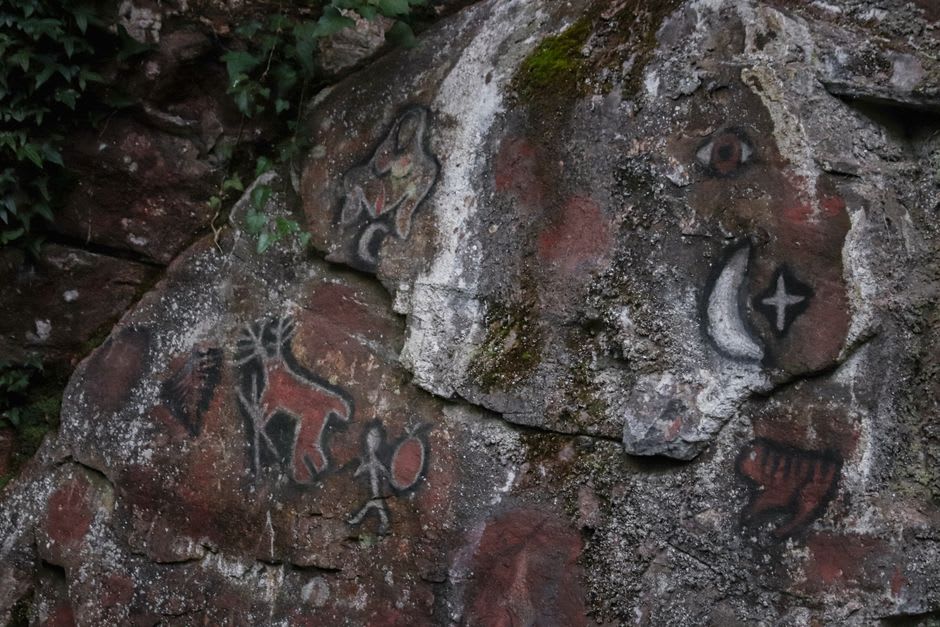
What surprised me more than the wildlife was Edakkal Caves, a pair of natural rock shelters formed by a giant boulder wedged between two others on Ambukuthi Hill, where the inner walls carry petroglyphs — carved human and animal figures, tools, and symbols — that archaeologists date to somewhere between six thousand and four thousand years old, among the oldest evidence of human habitation in this part of India. Climbing up through the narrow rock passage into the main chamber, I ran a hand along a carved figure worn smooth by literal millennia of humidity and touch, and the guide pointed out a symbol some researchers connect to early Indus Valley script, though that link stays firmly disputed. Whatever the exact reading, standing inside a cave where people were carving stories into stone before most of recorded history began has a way of resetting your sense of how long humans have actually been paying attention to this particular hillside.
Spice Terraces and the Adivasi Communities
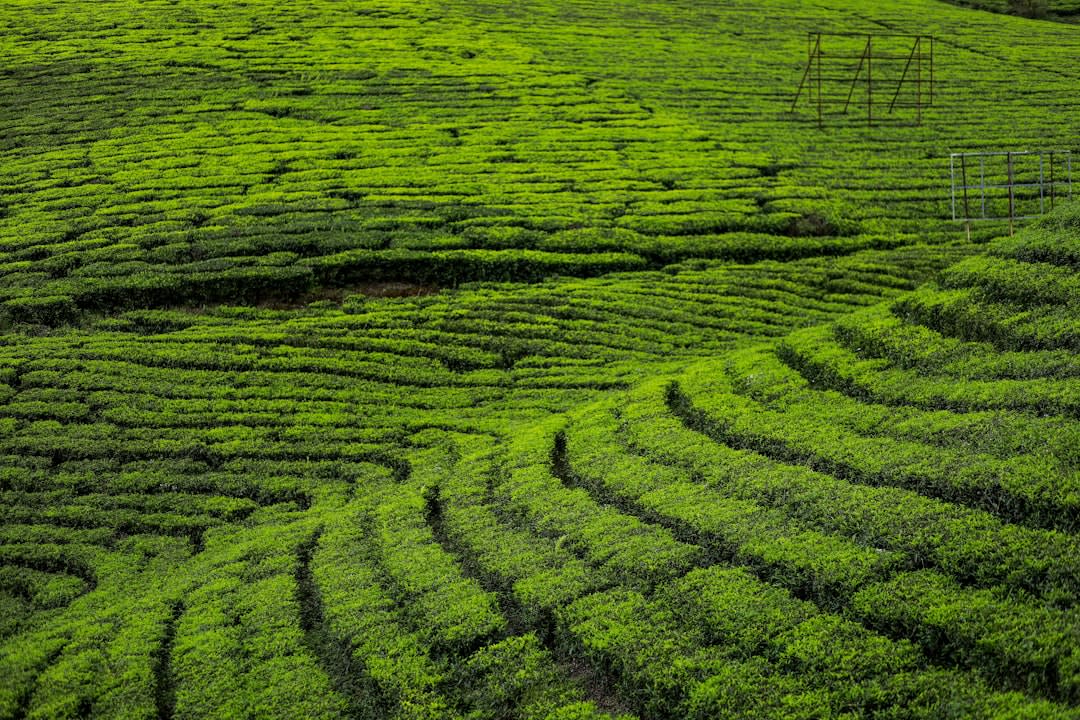
Wayanad’s plantations run thick with pepper vines climbing silver oak trunks, cardamom planted in the cooler shade beneath, and coffee bushes filling in the gaps between — a layered, forested style of farming that looks almost accidental compared to Munnar’s manicured tea rows, but produces some of Kerala’s best black pepper. Several Adivasi tribal communities, including the Paniya, Kattunaikka, and Kuruma peoples, have lived across these forests and plantation margins for generations, their presence here predating the spice trade, the colonial roads, and the state of Kerala itself. I visited a small tribal heritage museum near Sultan Bathery with a guide from the Kuruma community, who spoke plainly about the tension between conservation policy, plantation expansion, and tribal land rights that still shapes daily life here — a more complicated picture than the postcard version of Wayanad’s greenery usually lets on, and one worth sitting with rather than photographing past.
When to go: October to May for drier trails and better wildlife visibility, with December and January offering the coolest mornings for safaris; avoid the June–September monsoon when many forest roads become impassable.