McLeod Ganj
"A village where the exit door of the British empire became the front door of Tibetan culture."
The hillside village above Dharamshala where the Dalai Lama has lived in exile since 1960, and where maroon-robed monks, prayer wheels, and momo stalls have built a Tibet-in-miniature into the Himalayan slope.
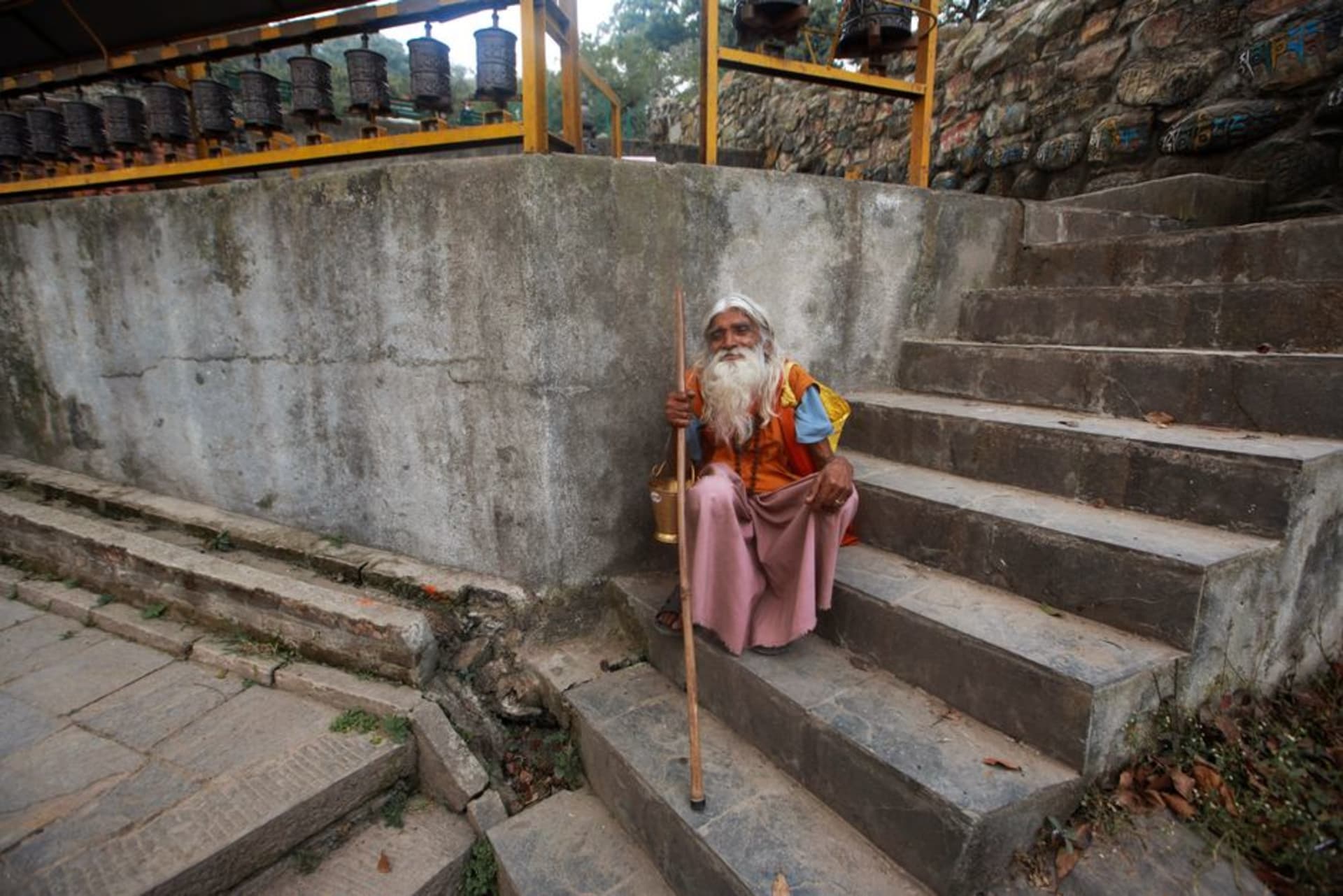
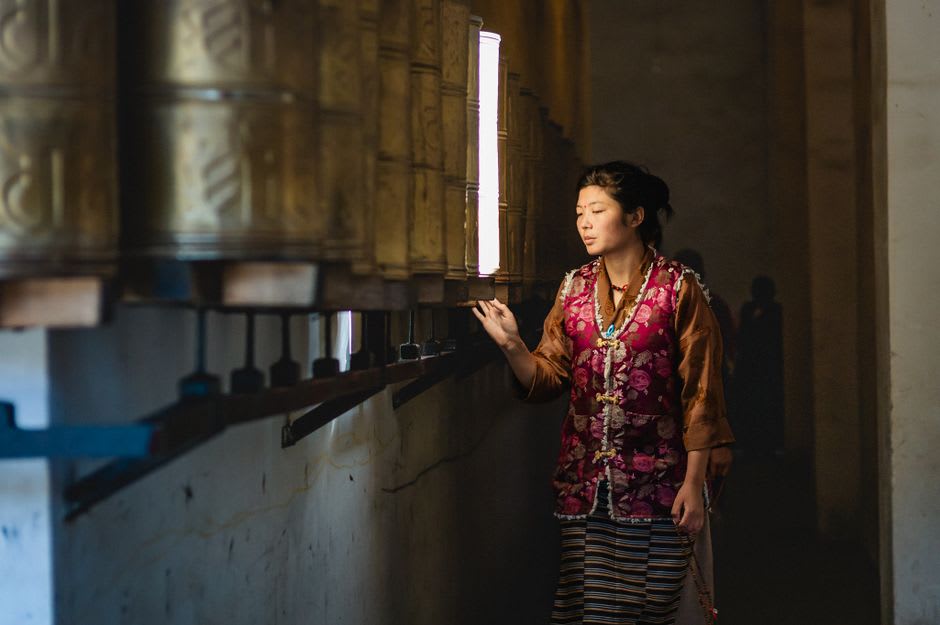
McLeod Ganj announces itself with sound before sight — the low, rhythmic chant of monks and the click of prayer wheels spinning under practiced hands, carrying up the narrow lane from Tsuglagkhang, the temple complex that serves as the Dalai Lama’s residence and, in every meaningful sense, Tibetan Buddhism’s most important site outside Tibet itself. I walked the kora, the pilgrimage circuit around the temple, alongside elderly Tibetan women spinning handheld prayer wheels and murmuring mantras, their fingers moving prayer beads at a pace that suggested decades of unbroken practice, and felt like an obvious outsider in the best possible way — welcomed, but clearly a visitor to someone else’s devotion.
The town itself was originally a minor British garrison outpost, named for a lieutenant governor and largely abandoned after a devastating 1905 earthquake flattened it. It sat half-forgotten until 1960, when the Indian government granted the newly exiled 14th Dalai Lama and his government permission to settle here — and in the sixty-plus years since, this ridge above Dharamshala has become the de facto capital of Tibet-in-exile, a place where an entire displaced culture rebuilt its institutions, monasteries, and daily life on borrowed Himalayan ground.
Momos, monks, and a mountain of refugee memory
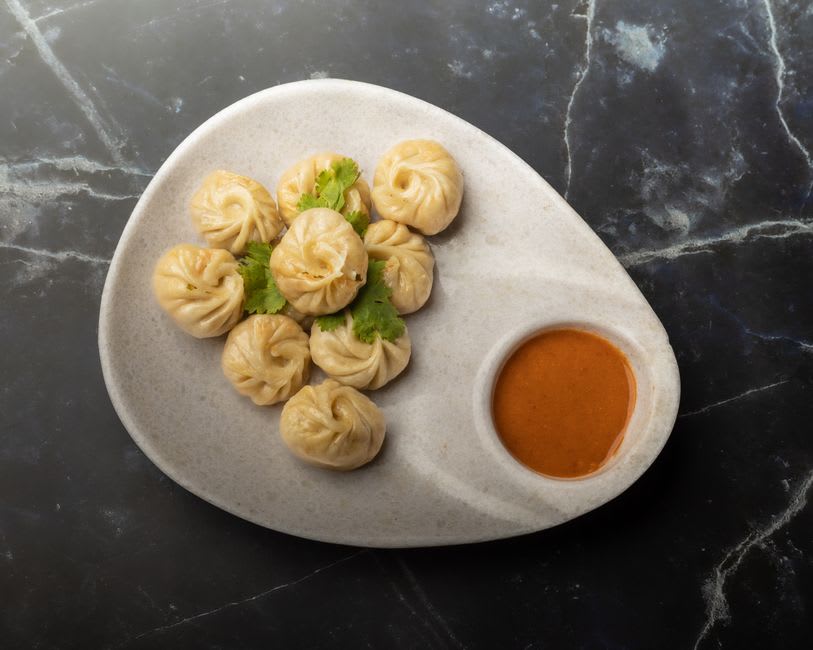
I ate more momos in McLeod Ganj than is probably dignified to admit — steamed at a tiny family stall run by a woman who’d fled Lhasa as a child in the 1960s, her dumplings filled with yak cheese and spinach, served with a chilli sauce that had real heat behind it. The town runs on this kind of small, resilient enterprise: Tibetan bakeries selling khapse pastries, thangka painting schools teaching the precise iconography of Buddhist scroll art, and the Tibet Museum, a quiet, sobering exhibit near the main temple documenting the 1959 uprising and the exodus that followed, with photographs and testimonies that turned the pleasant mountain air outside noticeably heavier once I stepped back into it.
In the evenings I’d sit at a rooftop café on Bhagsu Road with a view down into the Kangra valley, watching the light go copper over the terraced fields far below, listening to a mix of Tibetan pop music and the murmured English of backpackers debating whether to trek to Triund the next morning. McLeod Ganj holds these two registers at once — a serious, unresolved political and spiritual story, and a laid-back Himalayan hangout town — without either one cancelling the other out.
When to go: March to June for clear skies and the Triund trek in good condition, September to November for crisp autumn light. If you want a chance of seeing the Dalai Lama at a public teaching, check his office’s published schedule before you plan dates.