Mahabaleshwar
"A whole river system starts from a cow-shaped spout in a small stone temple here -- I did not expect that."
A colonial-era hill station in the Western Ghats where strawberry farms, a placid lake, and the modest source of the mighty Krishna River share the same misty ridge.
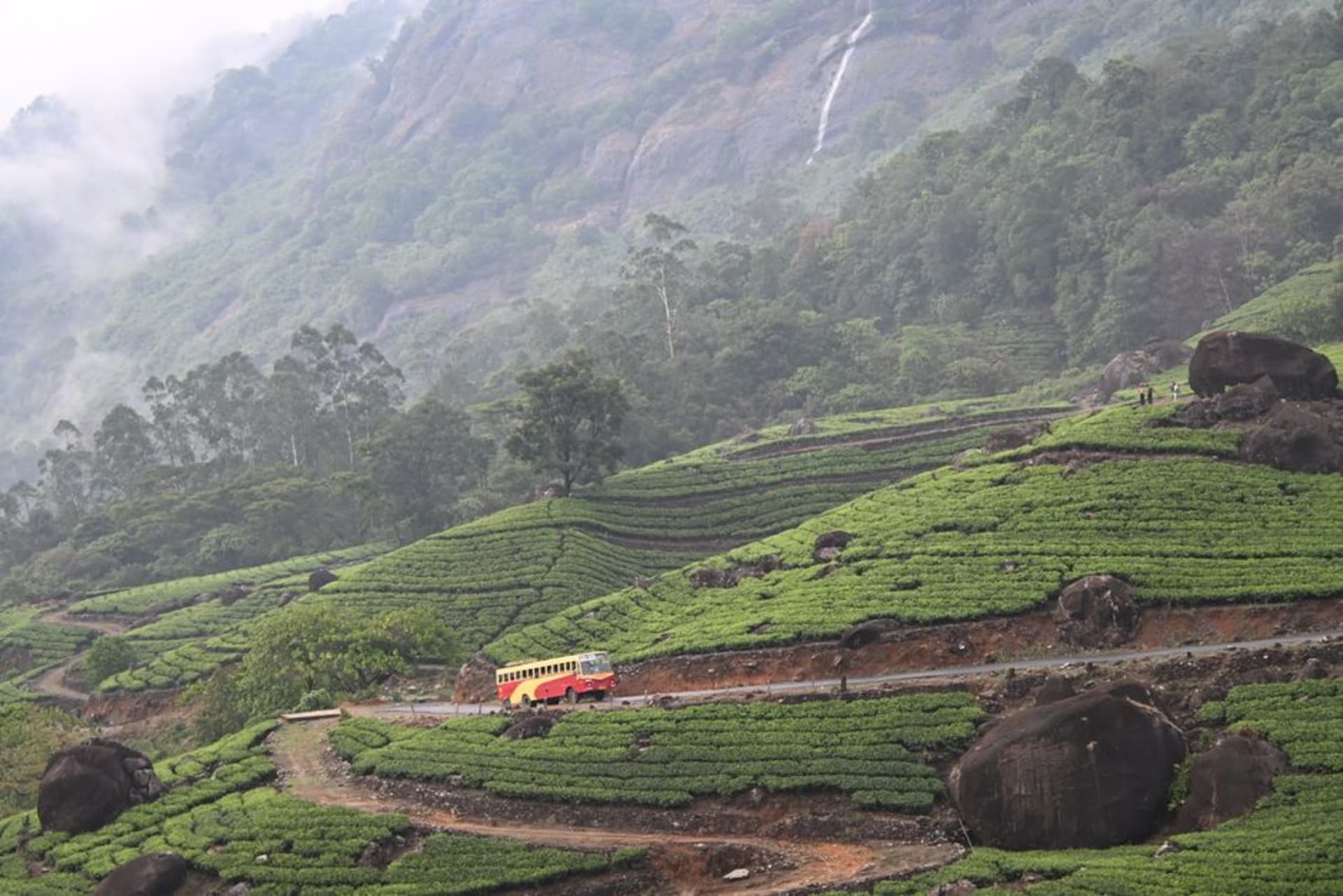
The road up to Mahabaleshwar switchbacks through sholas — dense montane forest — and the temperature dropped noticeably enough that I was glad of the shawl I’d bought on a whim in Pune. The British built this hill station in the 1820s as a retreat from Bombay’s heat, and it still carries that colonial-era logic in its layout: bungalows tucked into forest, a central market street, and viewpoints with names like Elphinstone Point and Arthur’s Seat that the Marathi-speaking locals use as casually as anyone would use a native name, decades of accumulated habit outlasting the empire that installed them.
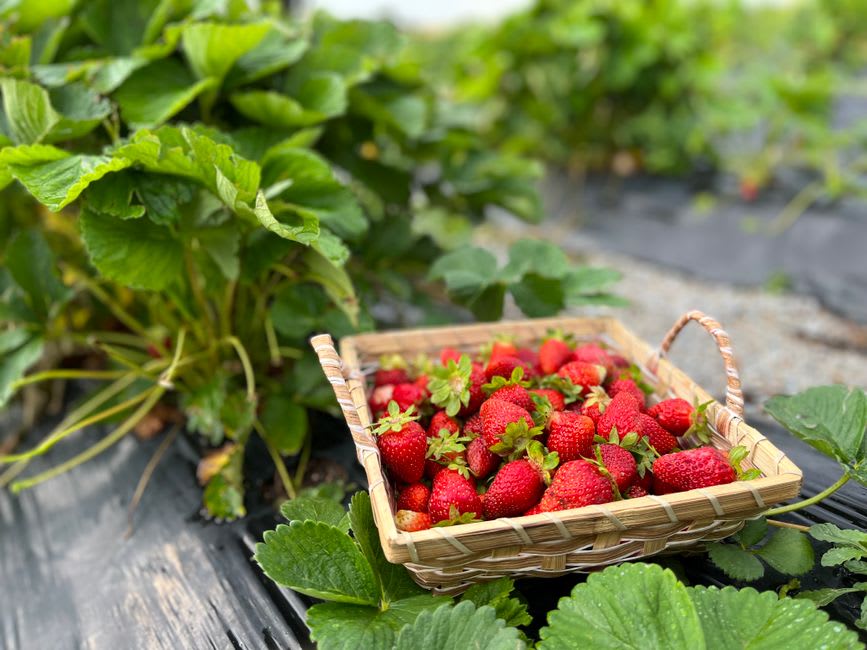
Strawberries are the crop Mahabaleshwar is known for nationally, grown on small terraced farms that ring the town, and I spent a morning at one where the owner let me pick my own basket before serving me strawberries and cream on a plastic table overlooking his own fields — a scene that felt, for a disorienting minute, more like the English countryside than anything I associated with India, before a temple bell somewhere below reasserted the actual geography. Local markets sell strawberry jam, squash, and crush by the crate, and the season runs roughly March through May, when the whole region smells faintly of fruit.
Where the Krishna Begins
The genuine surprise of Mahabaleshwar, for me, was the Krishna River’s source. At the Panchganga Temple, a modest stone structure near the older part of town, water trickles from a carved cow’s-mouth spout into a small tank — and this small, almost unceremonious spot is traditionally regarded as the origin point of the Krishna, one of India’s major rivers, which travels over 1,400 kilometers across the Deccan plateau before reaching the Bay of Bengal. Five rivers are said to originate from this same site, which gives the temple its name — Panchganga, five rivers — and priests there perform daily rituals treating this modest trickle with the same reverence as the river’s much larger, more famous downstream stretches receive.
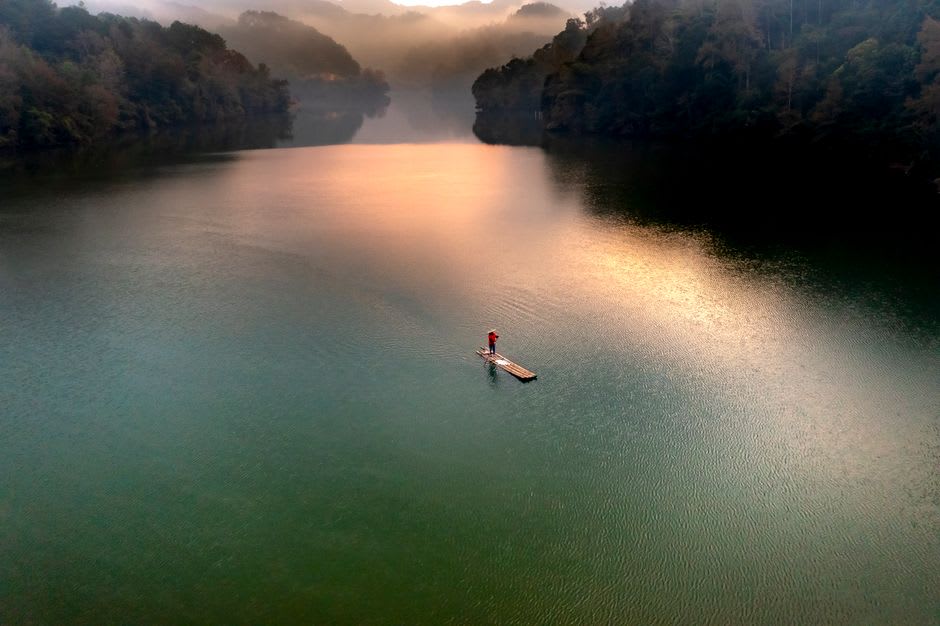
Venna Lake, in the town center, is a more straightforwardly touristy affair — paddleboats, horse rides, snack stalls selling roasted corn — but the walk around its edge at dusk, with mist starting to settle over the water and the temperature dropping fast, gave me one of the quietest, most contented hours of the whole Maharashtra leg of my trip.
When to go: March to May for strawberry season and clearer skies, though it’s also peak tourist crowding. October to February is cooler and quieter, ideal for the viewpoints.