Konark
"A temple built to look like it's already moving -- and after a thousand years, it still does."
A thirteenth-century sun temple carved as a colossal stone chariot on the Odisha coast, its wheels and horses so precise they still tell the time.
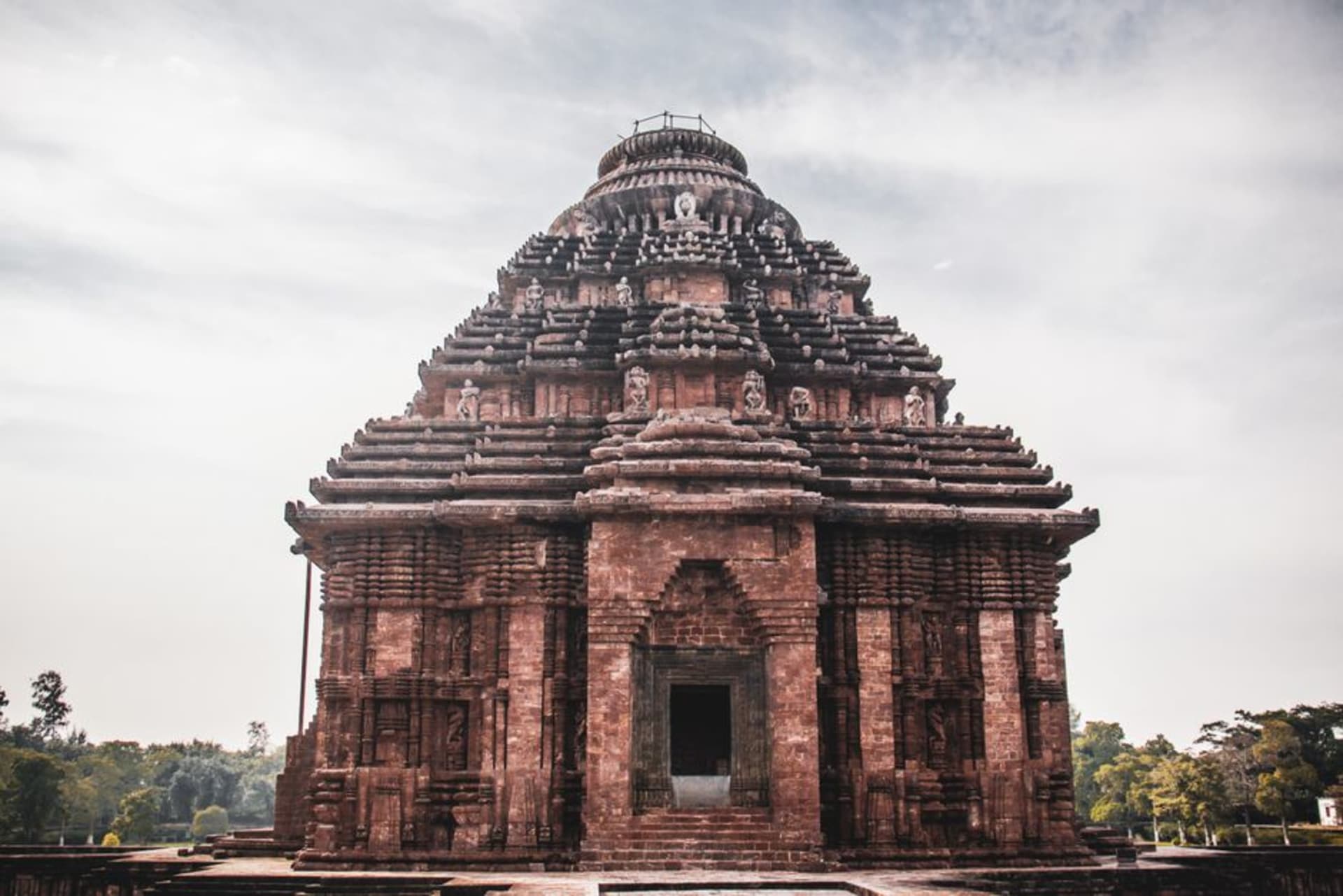
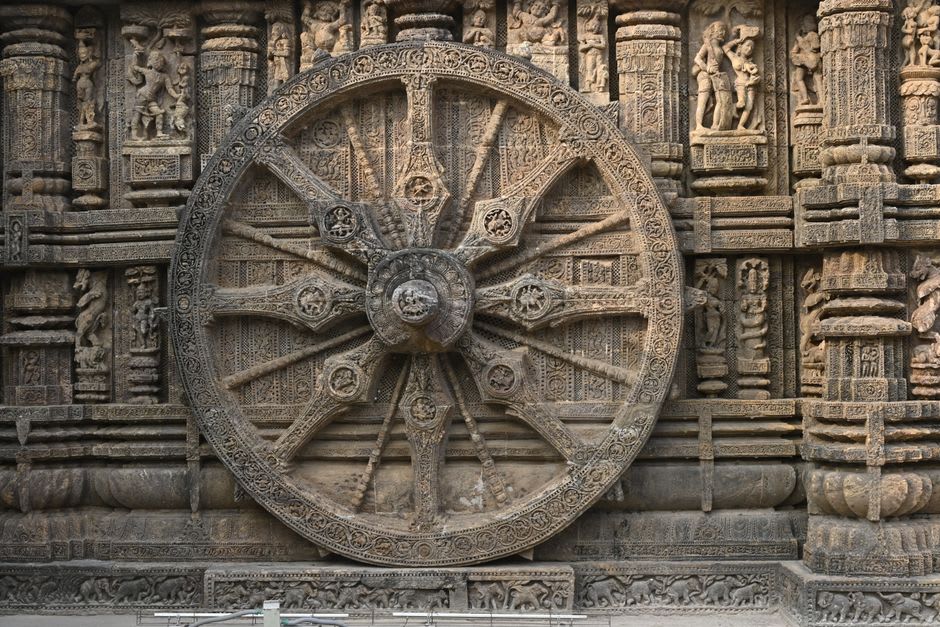
The road from Puri to Konark runs along the coast through casuarina groves, and I had the driver stop a kilometer before the temple because the spire had appeared over the treeline and I wanted to walk the last stretch on foot. Nothing quite prepares you for the scale up close. The Sun Temple, built in the thirteenth century under King Narasimhadeva I, is designed as an enormous stone chariot for the sun god Surya — twenty-four intricately carved wheels, each over three meters across, and seven straining stone horses meant to pull the whole structure across the sky. It is one of the most audacious pieces of architectural imagination I’ve encountered anywhere, a building that doesn’t just house a god but impersonates his vehicle.
I spent nearly two hours just circling the wheels. Each one functions as a functioning sundial — the spokes cast shadows that, local guides insist and I have no reason to doubt, can tell time to within a few minutes, an engineering feat folded into what looks, from a distance, like pure ornament. Legend holds that the temple’s main tower once held a lodestone so powerful it disrupted ships’ compasses along the coast and was later removed or lost to the sea — unverifiable, probably embellished over centuries of retelling, but exactly the kind of story a monument this strange deserves.
Stone Carved Without Modesty
The carvings themselves are relentless — friezes of soldiers, elephants, musicians, dancers, and mythological creatures cover nearly every surface, along with the erotic sculpture the temple is famous for, explicit couples in postures that scholars still debate the purpose of: fertility symbolism, tantric philosophy, or simply an unguarded, unembarrassed celebration of the body that later, more puritanical eras found scandalous. Whatever the reasoning, the effect standing in front of it is the opposite of shame — it’s closer to wonder at how comfortable the artists were with the full range of human experience, sacred and carnal side by side on the same chariot wheel.
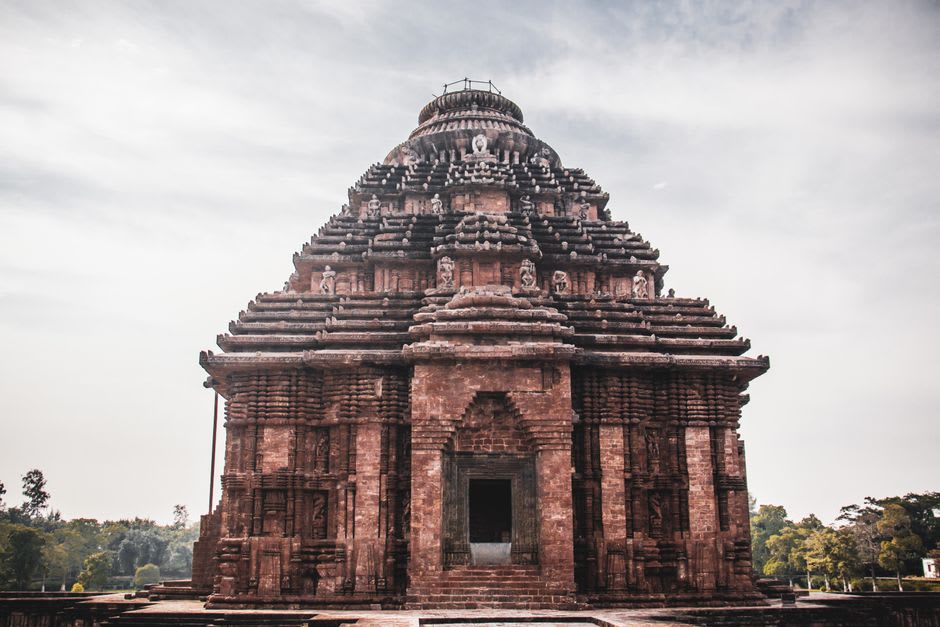
The main sanctuary partially collapsed centuries ago and the interior is closed off for preservation, which somehow makes the ruin more affecting than a fully intact temple might have been — you’re looking at ambition that outran its own foundations, a UNESCO World Heritage Site that is, quite literally, a monument to overreach. I left at dusk as the setting sun caught the eastern face of the temple, the original alignment the architects intended, and understood exactly what they’d been building toward.
When to go: November to February for cool, dry weather and clear light for photographing the carvings. December brings the Konark Dance Festival, held right at the temple’s base.