Coorg
"Coorg smells of coffee and rain and a forest that has been carefully tended for longer than anyone can remember."
The Scotland of India — coffee estates, monsoon mist, and Kodava warrior culture in the Western Ghats.
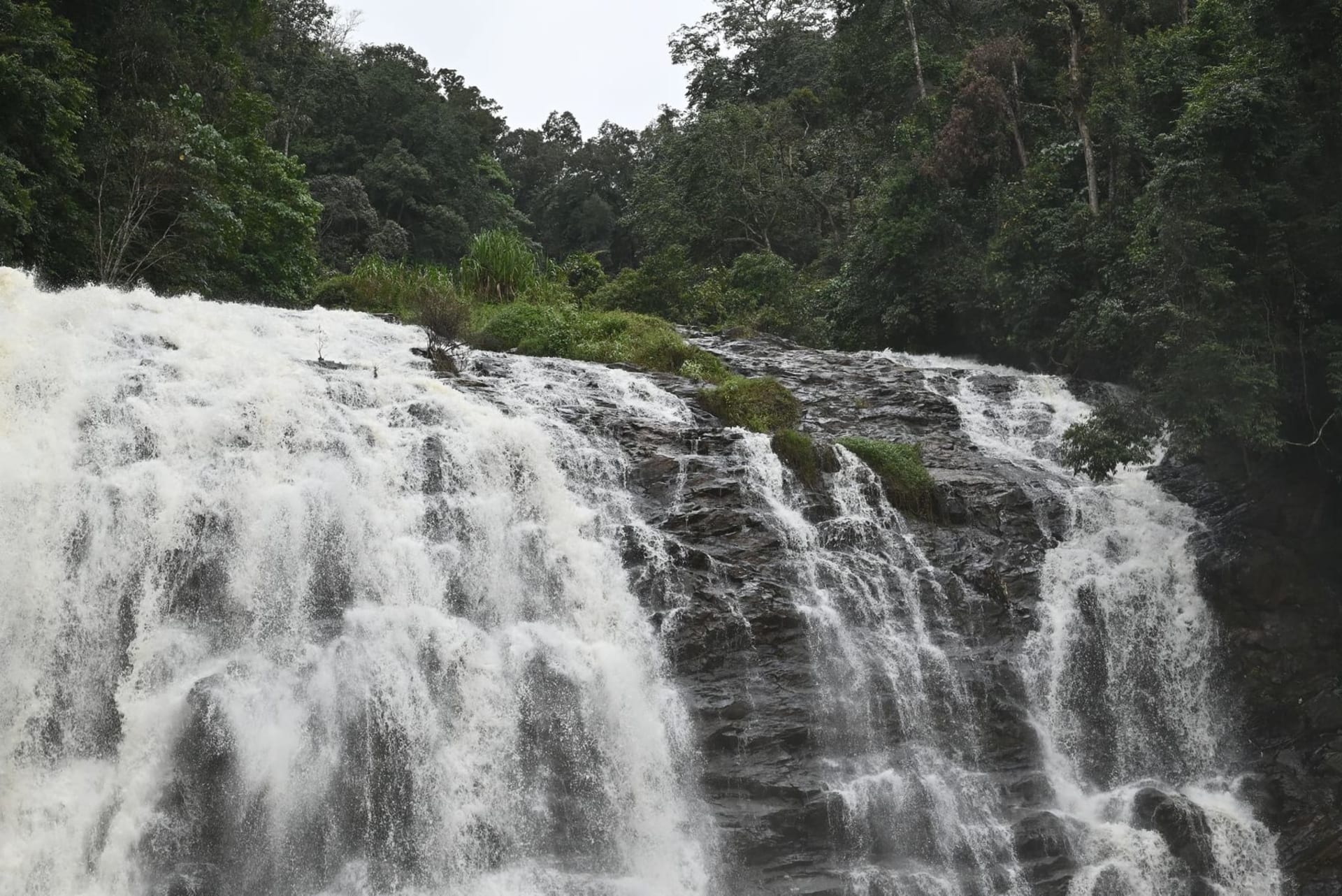
There is a particular quality of silence in Coorg that I had not expected from India. Not absence of sound — the forest here is restless with hornbills and the steady percussion of water moving through canopy — but a silence of pace. The Western Ghats have a way of slowing time down to something bearable.
We arrived from Mysore on a winding ghat road that climbed through teak and silver oak, the valley falling away beneath us in layers of green that kept deepening until they became almost blue. By the time we reached Madikeri, the district capital, the air had changed entirely. Cooler. Heavier. Threaded through with the smell of wet earth and something faintly bitter and vegetal that took me a moment to identify: raw coffee, drying on the roadside.
Among the Estates
The Kodagu region grows roughly a third of India’s coffee, and you feel it everywhere. The estates around Siddapura and Virajpet are not romantic in the sanitized plantation-tour sense — they are working farms, loud with the conversation of pickers during harvest season, the cherry-red fruit piled into burlap sacks by women whose families have worked this land for generations. The Kodava people have an aristocratic bearing that surprised me. This is warrior country: the men carry a traditional knife called the peeche kathi, worn at the hip, and the culture has its own language, its own temple traditions, its own relationship to the land that predates any colonial coffee economy by centuries.
Lia found a small estate near Galibeedu that offered homestays — we slept under mosquito nets in a room that smelled of cardamom, and the owner served us akki roti with a pork curry that was nothing like anything I had eaten in the rest of India. The Kodava cook pork with black pepper and a sourness from dried kokum that lingers in the mouth long after the meal ends.
The Unexpected Forest
What genuinely surprised me was Nagarhole, the national park at Coorg’s northern edge. I had been told to expect elephant sightings, and we did see elephants — a family crossing the Kabini riverbank in the amber light before dusk. But what I had not anticipated was the gaur: the Indian bison, enormous and indifferent, standing at the forest margin like something from the Pleistocene. Lia grabbed my arm. Neither of us spoke for a long time.
The mist came down after dark and erased everything beyond the verandah. We drank the local coffee black, without sugar, and listened to the rain begin.
When to go: October through March offers clear skies and comfortable temperatures after the monsoon has passed. Avoid July and August unless you want the full dramatic weight of the Western Ghats in rain — which, honestly, has its own argument.