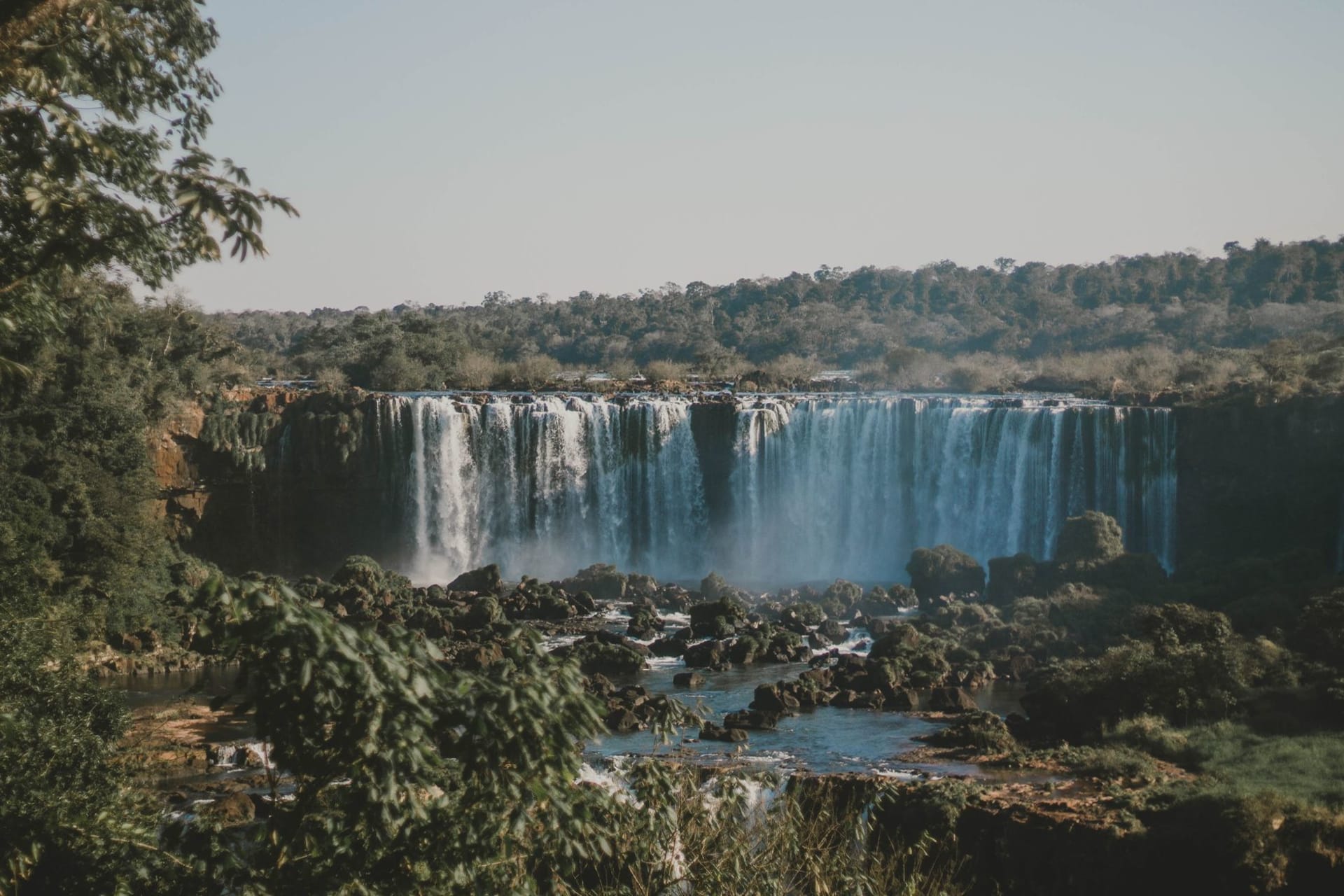
Foz do Iguaçu
"From the Brazilian walkway, Argentina seems impossibly far away, and you finally understand the scale you've been standing inside."
I crossed from Puerto Iguazú by taxi early on my second day — the bridge crossing takes about twenty minutes including the brief formality at each customs post — and arrived at the Parque Nacional do Iguaçu as it opened. The Brazilian park is structured differently from the Argentine side: where Argentina gives you a network of walkways threading between individual falls, Brazil gives you one long path, mostly flat, that runs parallel to the canyon rim and delivers you to a single elevated walkway extending out over the river directly above the Garganta del Diablo. The walk takes perhaps forty minutes. What it shows you in those forty minutes is the full arc of the falls system from outside — and this, I now understood, is the perspective that makes everything else make sense.
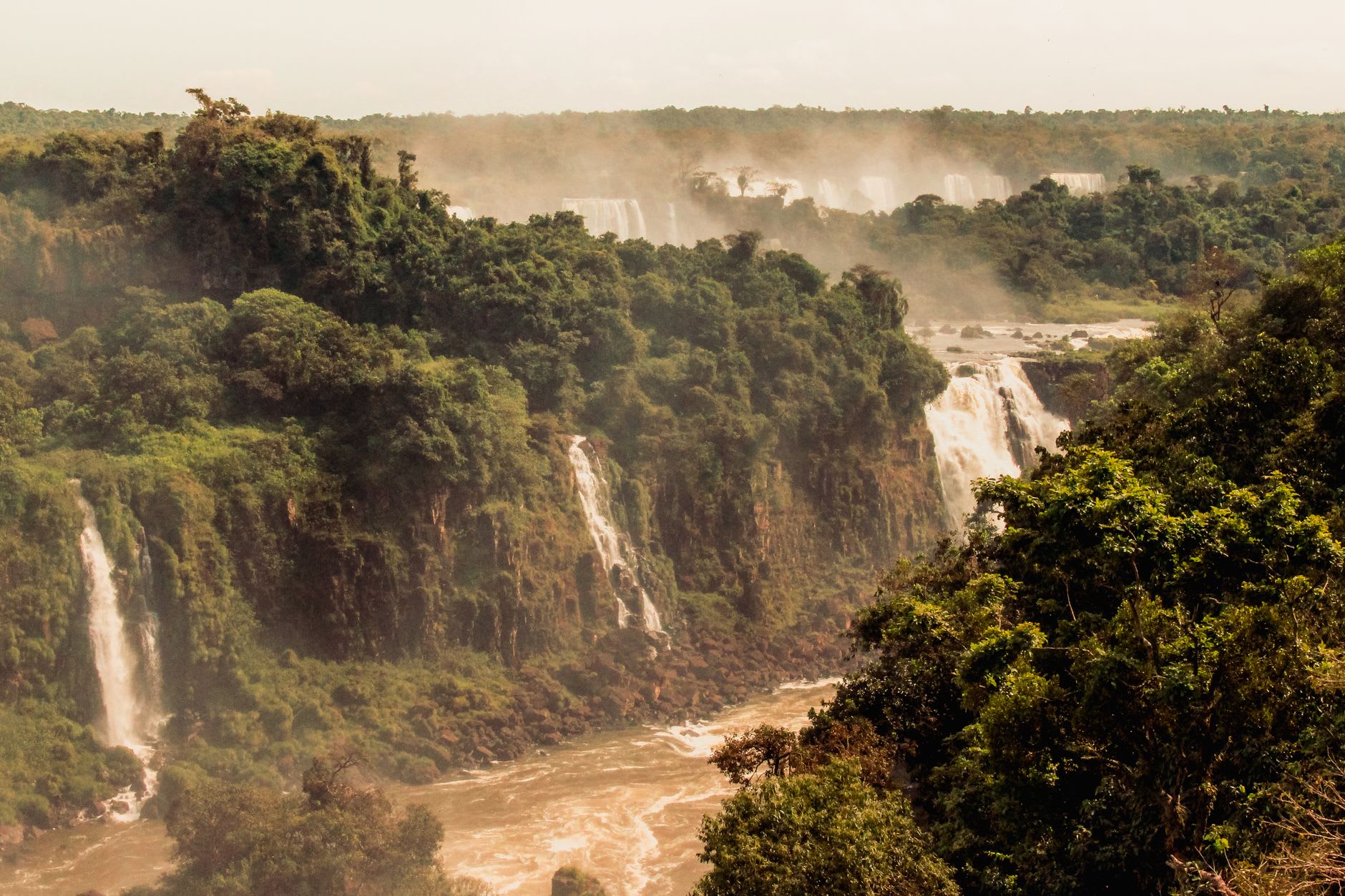
On the Argentine side, you lose the geography in the best possible way: the falls are so close and so numerous that you stop thinking about them as a system and start experiencing them as individual events, each cataract with its own sound and colour and personality. The Brazilian side gives it back. From the main lookout, you can see the entire 2.7-kilometre arc laid out in front of you — the white curtain curving left to right like a parenthesis, with the dark green of the Argentine jungle as backdrop. It’s the image that appears on every guidebook cover, and standing there I understood why it became the representative image: not because it’s the most overwhelming view, but because it’s the only view that communicates what Iguazú actually is.
The city of Foz do Iguaçu itself, which sits about 20 kilometres from the park entrance, is a proper Brazilian border city — bigger, louder, and more chaotic than Puerto Iguazú across the river. It has a Brazilian energy that the Argentine side lacks: the churrascarias serve meat in quantities that seem improbable, the açaí shops on every corner serve the purple ice cream in bowls heavy with granola and banana, and the streets operate on a different clock that tends to peak after 9pm. The Avenida Jorge Schimmelpfeng is the main eating and drinking strip, and on a Thursday evening when I was there, it was full with the kind of comfortable noise that suggests a city that doesn’t need tourism to feel alive.
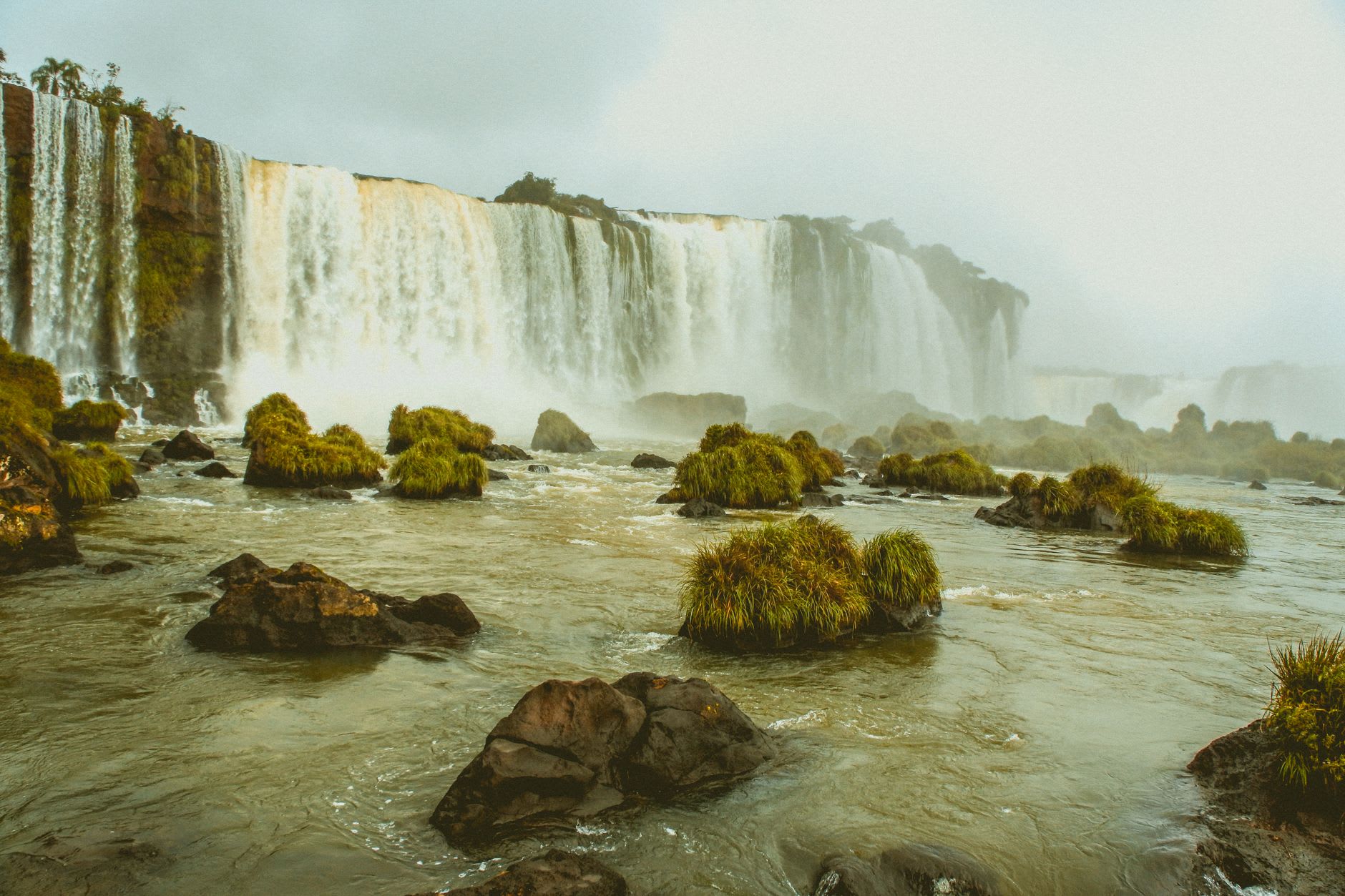
The Brazilian park is also where you get the best light on the falls in the afternoon — the sun comes from behind you as you walk along the canyon, illuminating the face of the cataracts directly. The morning light on the Argentine side is the corollary: each side rewards a different half of the day, which is the practical argument for sleeping a night on each.
When to go: The Brazilian walkway is at its best between 9am and noon, when the sun is behind you and hasn’t yet moved around to create glare off the water. Avoid the Brazilian national holidays in February (Carnaval) and July when the park becomes genuinely crowded. The dry season — August through October — keeps water levels high and reduces the crush of visitors that comes with summer rains.