Europe
Iceland
"The country where the ground is still being made."
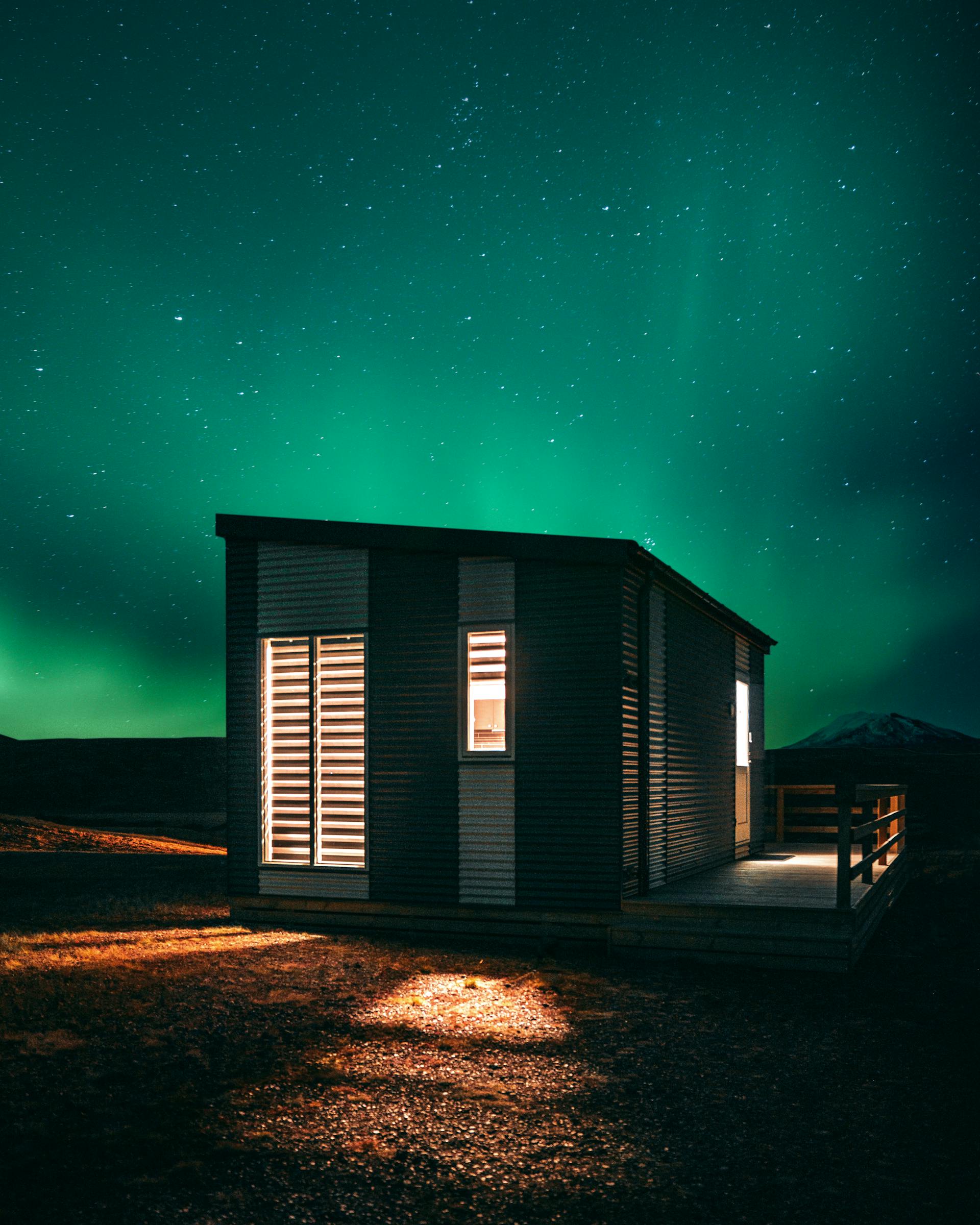
Iceland does not look like anywhere else on Earth. This is not hyperbole — it is geology. The island sits on the Mid-Atlantic Ridge, where two tectonic plates are pulling apart in real time, and the landscape is the result: lava fields crusted with neon moss, glaciers calving into black-sand lagoons, geysers erupting on schedule, waterfalls so numerous they stop feeling remarkable by the third day. The scale is disorienting. Drive the Ring Road and you pass through desert, tundra, volcanic wasteland, and green farmland in a single afternoon. There are no trees to speak of. The sky is enormous. The light, in summer, never fully leaves.
Reykjavik is the world’s most northerly capital and one of its smallest — a colorful, walkable city with more bookshops per capita than anywhere else and a cultural energy that belies its population. But Iceland is overwhelmingly a landscape experience. The Golden Circle — Þingvellir, Geysir, Gullfoss — is the classic introduction, and it works. The south coast, from Vík to Jökulsárlón, is where the drama intensifies: black beaches, ice caves, the vast Vatnajökull glacier. The Westfjords, in the northwest, are Iceland for people who find the Ring Road too crowded — remote, empty, staggeringly beautiful, and accessible only in summer. The Highlands, the interior, are a roadless volcanic desert that feels genuinely extraterrestrial.
When to go: June to August for the midnight sun, the Ring Road, and access to the Highlands and Westfjords. September for northern lights and autumn color with fewer tourists. Winter is dark and cold but offers ice caves, northern lights, and hot springs in snow — the most atmospheric season if you can handle the conditions.
What most guides get wrong: They underestimate Iceland’s weather and overestimate its accessibility. A forecast means nothing — you will experience four seasons in a day. The Ring Road is not a quick loop; it takes a minimum of seven days to do properly and ten to do well. And the hot springs are not just tourist attractions — find the unmarked ones, the ones locals use, where you sit in geothermally heated water while rain falls on your face and steam rises into Arctic air. That is the Iceland that stays with you.
Explore
Places in Iceland
Akureyri
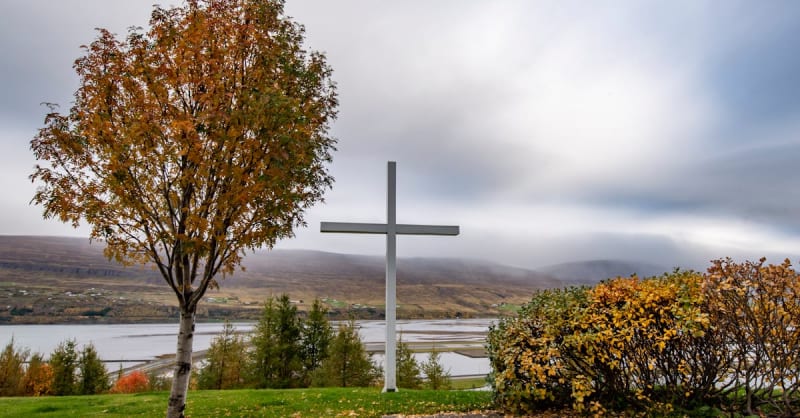
The capital of the north, a sheltered fjord town of botanical gardens, ski slopes, and the gateway to Iceland's most powerful waterfall.
Blue Lagoon
A milky-blue geothermal pool in a black lava field that somehow became one of the most recognisable places on Earth.

Eastfjords
Iceland's least-visited region rewards the patient traveler: deep fjords cut between layered mountains, reindeer on the hillsides, and almost no one else.
Golden Circle
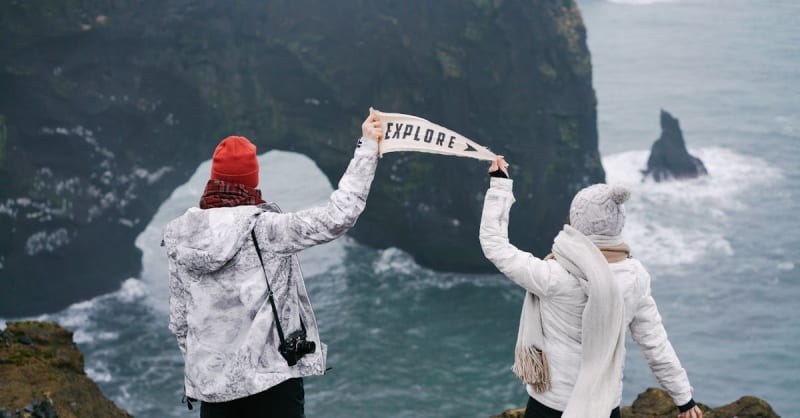
Iceland's essential day trip — a route through tectonic rifts, erupting geysers, and a waterfall that shakes the ground beneath your feet.
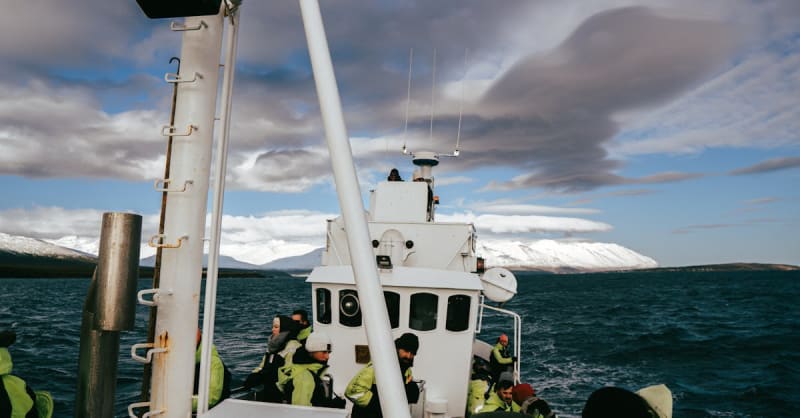
Husavik
Europe's whale-watching capital, a small harbour town where humpbacks breach against a backdrop of snow-capped mountains.
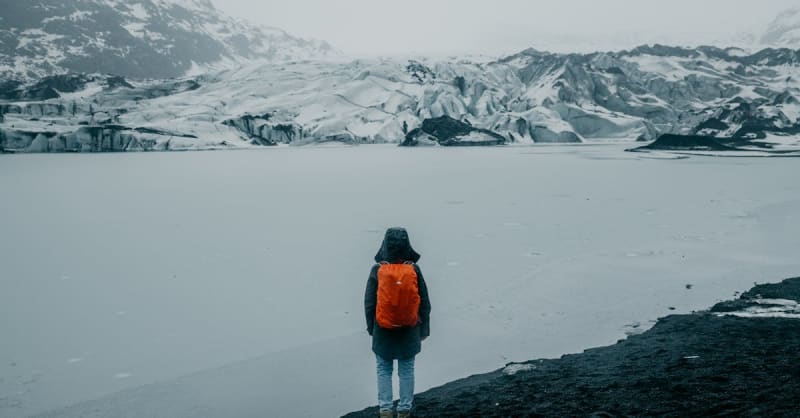
Jokulsarlon
A glacial lagoon where icebergs calve, drift, and wash ashore on a black sand beach in a spectacle of blue and white.
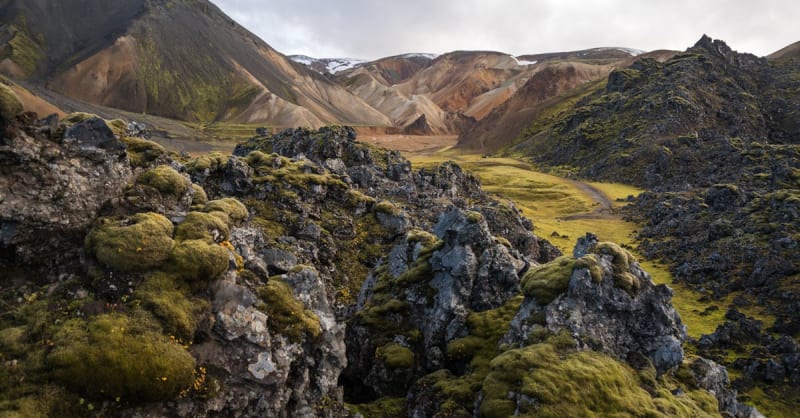
Landmannalaugar
A highland oasis of rainbow-coloured rhyolite mountains, natural hot springs, and some of the most surreal hiking on Earth.
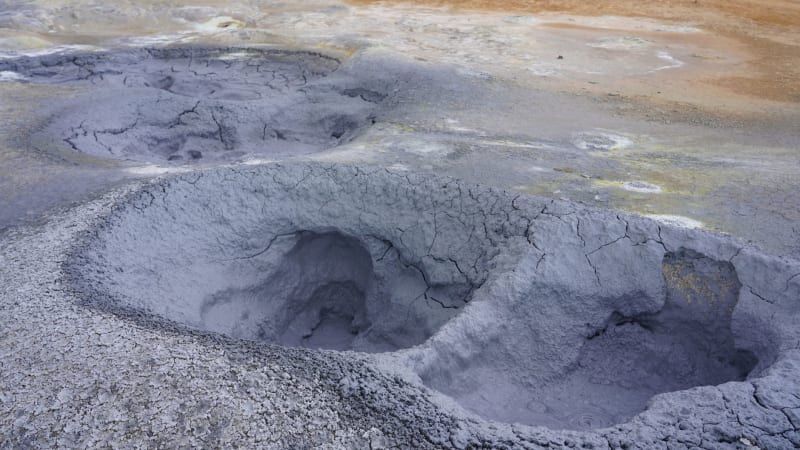
Mývatn
A shallow volcanic lake in the north ringed by pseudocraters, steaming earth and lava fields, where the ground itself seems half-finished and still cooling.
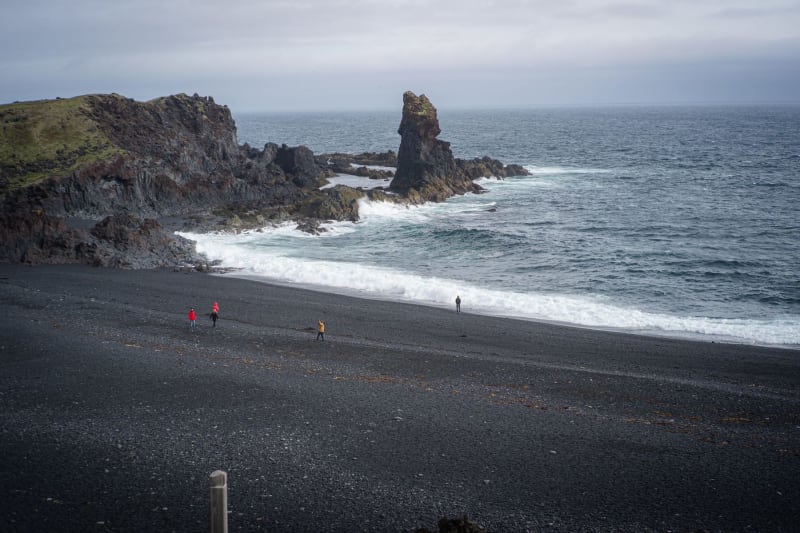
Reykjanes Peninsula
A raw volcanic peninsula of lava fields, geothermal pools, and dramatic fissures where two continental plates continue their slow-motion divorce.
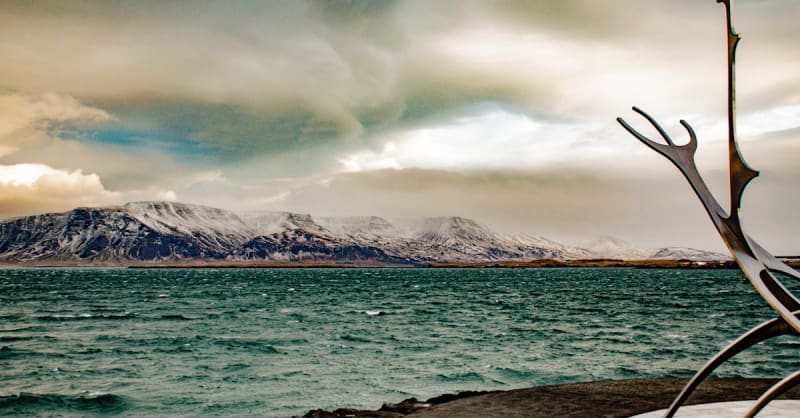
Reykjavik
The world's northernmost capital, a small city of colourful rooftops, volcanic energy, and a creative spirit that defies its size.

Siglufjordur
A pastel-painted former herring capital hidden at the end of a northern fjord, once the most prosperous town in Iceland and now its most photogenic.
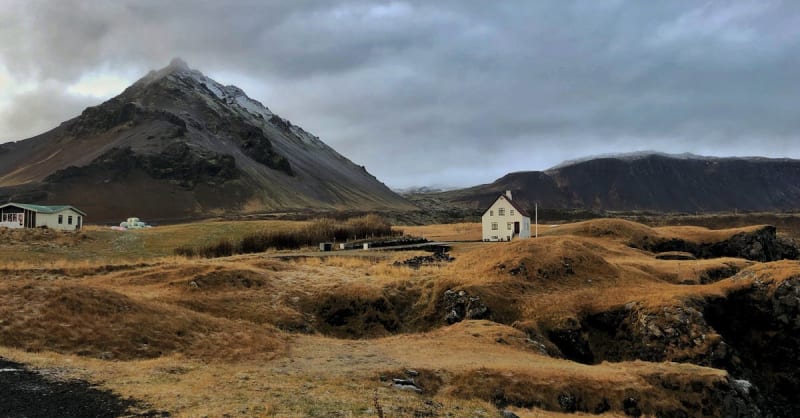
Snaefellsnes
A peninsula called Iceland in miniature, where a glacier-capped volcano presides over lava fields, fishing villages, and black church beaches.

Vik
A tiny village beneath a cliff where black sand beaches meet roaring Atlantic waves and basalt columns rise like pipe organs.

Westfjords
Iceland's most remote region — a tangle of fjords, sea cliffs, and hot springs where the road often ends and the wilderness begins.
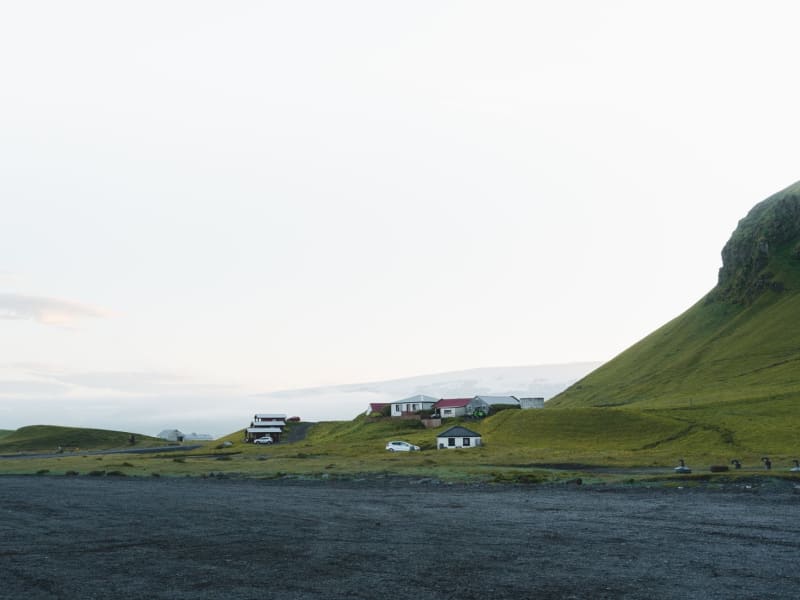
Westman Islands
A volcanic archipelago where a 1973 eruption buried half a town and the locals returned to rebuild beside the still-smoking lava.