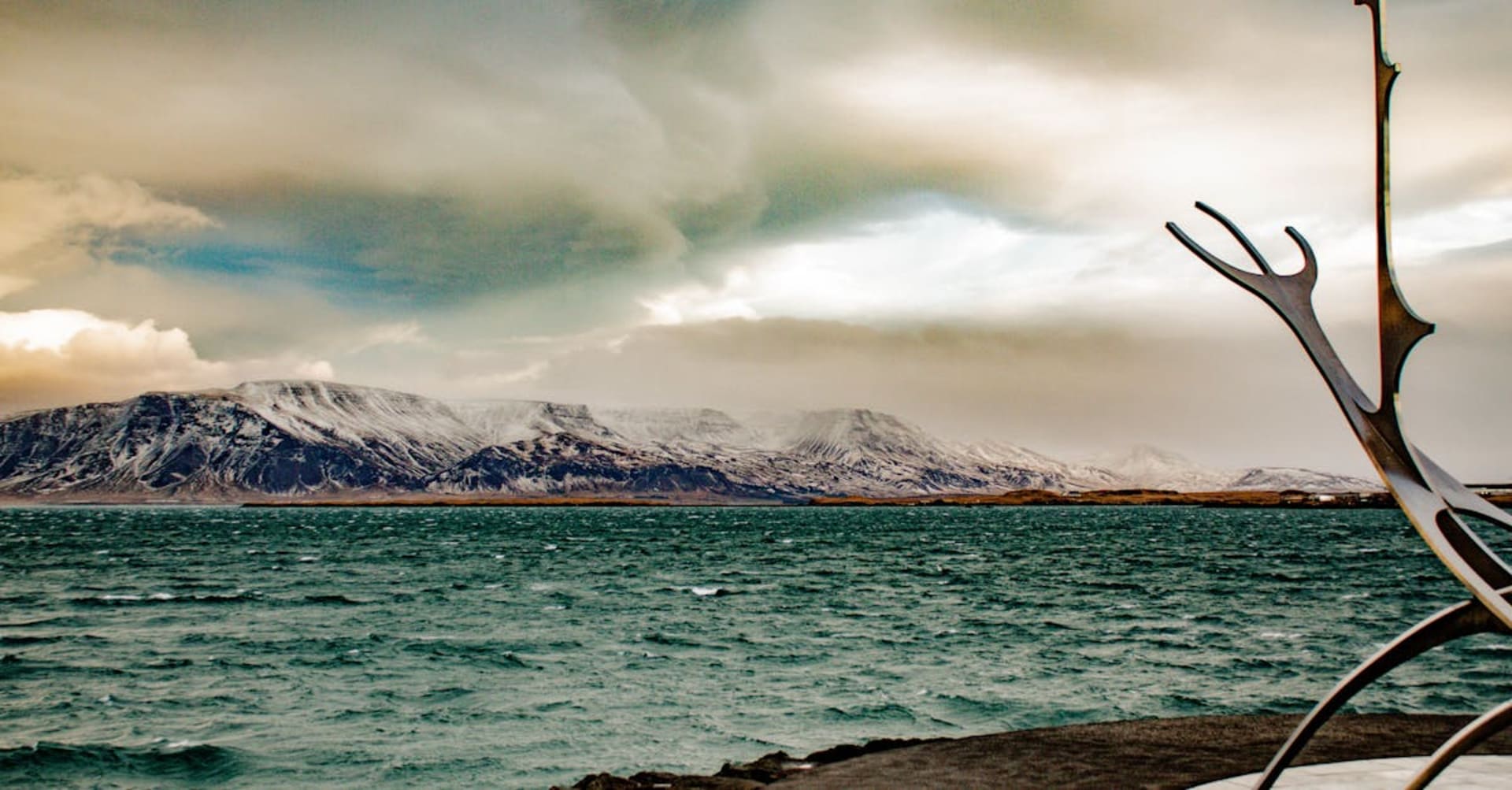
Reykjavik
"A capital of a hundred and forty thousand people that punches like a city ten times its size."
Reykjavik is improbable. A capital city where you can see snow-capped mountains from the main shopping street, where the hot water comes from the earth and smells faintly of sulphur, and where the nightlife on a Saturday rivals cities with ten times the population. Hallgrimskirkja, the concrete church designed to resemble basalt columns, dominates the skyline, and the view from its tower places the entire city and the surrounding volcanic landscape in context.
Laugavegur, the main street, holds cafes, bookshops, and design stores in buildings painted every colour the Icelandic palette allows. The Harpa concert hall on the waterfront is a honeycomb of coloured glass that changes with the light. The Old Harbour has whale-watching boats and excellent seafood restaurants. The city’s geothermal pools — not the tourist ones, the neighbourhood ones — are where locals gather to talk, and joining them is the most Icelandic thing you can do.
When to go: June through August for the longest days and midnight sun. September and October for northern lights and fewer crowds. December for dark-season atmosphere and holiday festivities. Reykjavik works year-round but winter days are very short.