
Gyor
"We stopped in Gyor to break up the drive to Vienna and ended up staying the whole afternoon, sitting where the rivers meet."
A baroque river-junction city halfway between Budapest and Vienna, where three rivers meet and nobody seems to be in a hurry.

Gyor exists, in the minds of most travelers, as a bathroom break — the halfway point on the Budapest-Vienna train or motorway, a name on a sign you register and forget. Lia and I did exactly that the first time, blowing through on the way to Austria without a second thought. The second time, driving, we actually stopped, and I felt a little embarrassed about how good it turned out to be.
The town sits at the confluence of three rivers — the Danube, the Rába, and the Rábca — which sounds like a geography-textbook detail until you’re actually standing at Bécsi kapu tér watching the water split and merge below the old town walls. There’s a particular kind of light in the late afternoon there, off the water and onto the baroque facades, that made me stop and just look for a few minutes instead of walking on to the next thing.

The Basilica dominates the skyline from most angles, and inside it holds the Herma of Saint Ladislaus, a gilded reliquary bust that’s one of the most important pieces of medieval goldsmithing in the country. I’m not a relic tourist by instinct, but the object itself is genuinely striking — the kind of thing that makes you understand why medieval pilgrims traveled days to see it. We also wandered into the Bishop’s Castle next door almost by accident, since the entrance isn’t well marked, and got a decent view over the rooftops from its tower.

What I appreciated most, though, was that Gyor doesn’t feel curated for tourists the way border-hopping day-trip towns sometimes do. It’s a working city — Audi has a huge plant here, which explains the surprisingly modern edges around the historic core — and the baroque center exists alongside real, ordinary Hungarian life rather than being preserved in amber for coach tours. We had dinner at a small place off Széchenyi tér where the menu was only in Hungarian and the waiter had to translate half of it by pointing at other tables’ plates. That’s usually a good sign.
When to go: Spring or early autumn works best if you’re combining it with a Budapest–Vienna trip by car or train; the riverside squares are at their most pleasant before the summer heat settles over the Great Plain.
Keep exploring
More from Hungary
 hungary
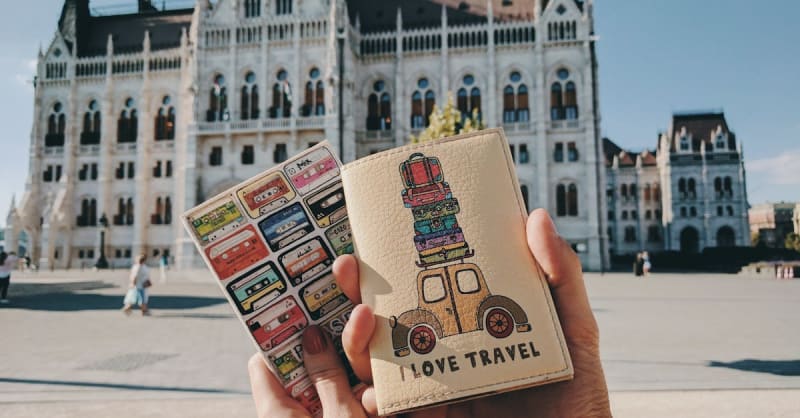
 Heviz
Home to the world's largest biologically active thermal lake, where you float among water lilies in naturally heated water year-round.
Explore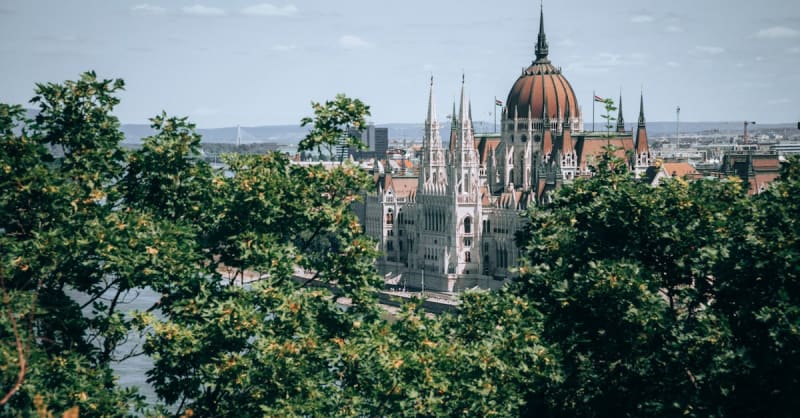 hungary
 Holloko
A UNESCO-listed Palóc village frozen in time, where whitewashed houses and living folk traditions preserve a vanishing way of life.
Explore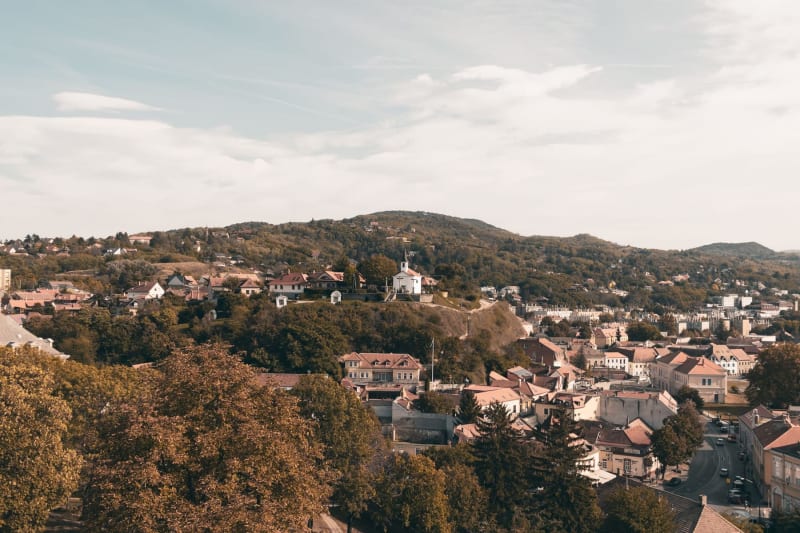 hungary
 Hollókő
A UNESCO Palóc village of white-washed houses and a hilltop castle in the Northern Hungarian highlands, unchanged since 1700.
Explore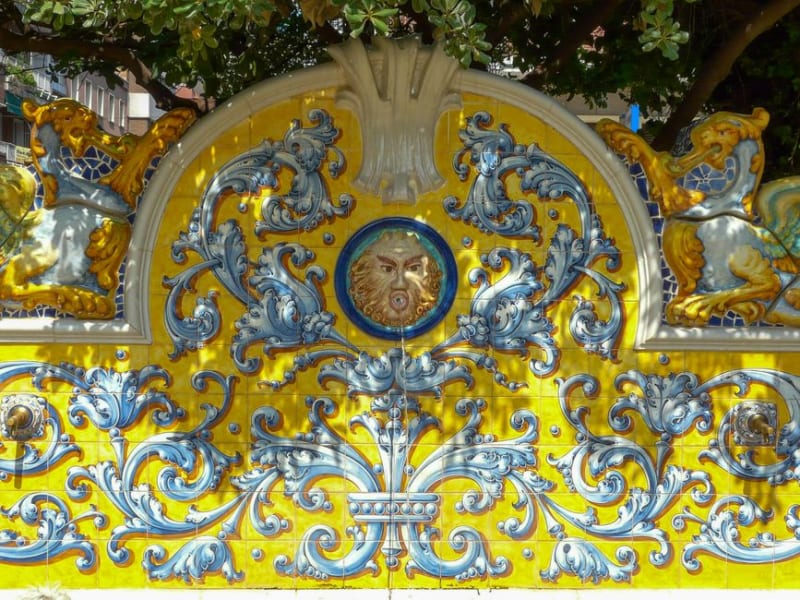 hungary
 Kecskemet
A Great Plain city where art nouveau facades drip in Zsolnay tiles and the local apricot brandy will knock you sideways by noon.
Explore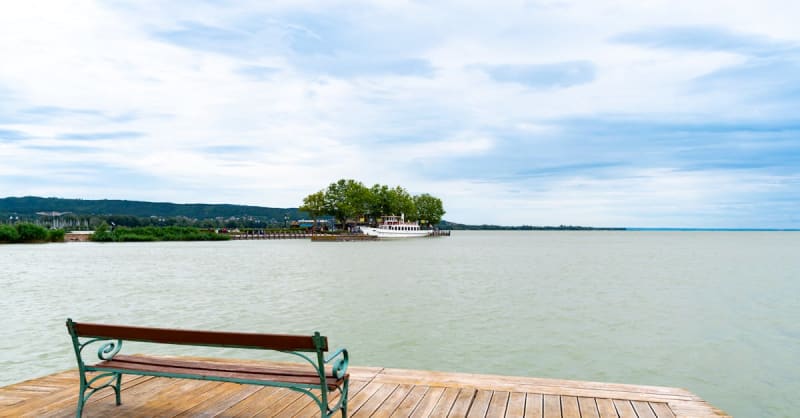 hungary
 Lake Balaton
Central Europe's largest lake, where Hungarians have been escaping summer heat for generations among vineyards, volcanic hills, and reed-lined shores.
Explore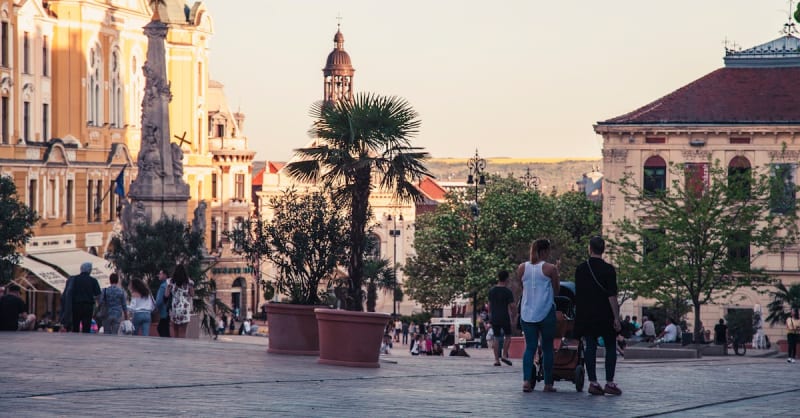 hungary
 Pecs
A Mediterranean-spirited city in southern Hungary with Roman tombs, Ottoman mosques, and a creative energy fueled by its university and mild climate.
Explore