
Socotra Island
"Socotra looks like the earth made a rough draft and then forgot to revise it — and somehow that is the best version."
The flight to Socotra operates on a schedule that functions more as a suggestion than a commitment. I waited two days in Aden for a weather window that the airline described as “conditional” and the pilot, when we eventually boarded, described as “fine for now.” The island appeared through the cabin window as a dark shape in the Arabian Sea — not dramatic from the air, just a ridge of mountains and a coastal plain, ordinary enough that I wondered briefly if I had inflated its reputation.
The dragon blood trees dispelled any doubt. They appear along the road from Hadibo toward the Dixam plateau, and at first you see one, then three, then suddenly you are driving through a forest of them — hundreds of umbrella-shaped canopies spread against a sky that shifts from bleached white at noon to a deep bruised violet in the evening. The trunks are thick and pale and slightly absurd, like something a child might draw if asked to design a tree with no reference to actual trees. The sap, when a branch is cut, runs dark red — which is where the name comes from and which is startling to see.
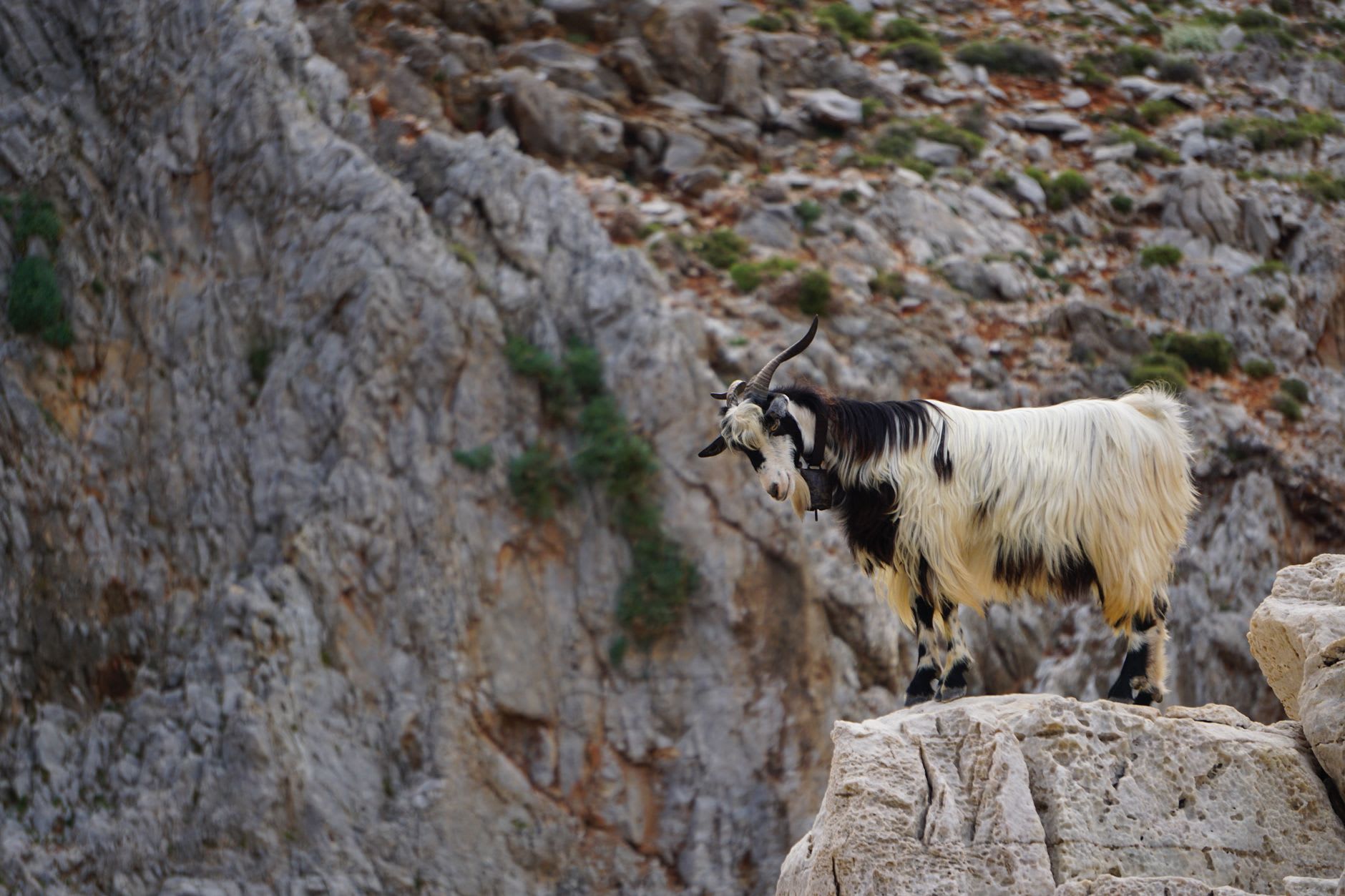
Socotra has been isolated from the mainland long enough — it separated from Arabia around six million years ago — to have developed its own biological vocabulary. Around a third of its plant species exist nowhere else on earth. There are frankincense trees that produce a resin so pure that burning it in the evenings fills the air with something that smells like the inside of a medieval cathedral. Bottle trees bulge at the waist like water storage experiments. The island’s fishermen use wooden boats of a design unchanged for centuries, and when I sat with a family in a coastal village and watched them prepare kingfish over an open fire, the scene had a quality of deliberate sufficiency — not poverty, not deprivation, but a life calibrated exactly to what the island provides.
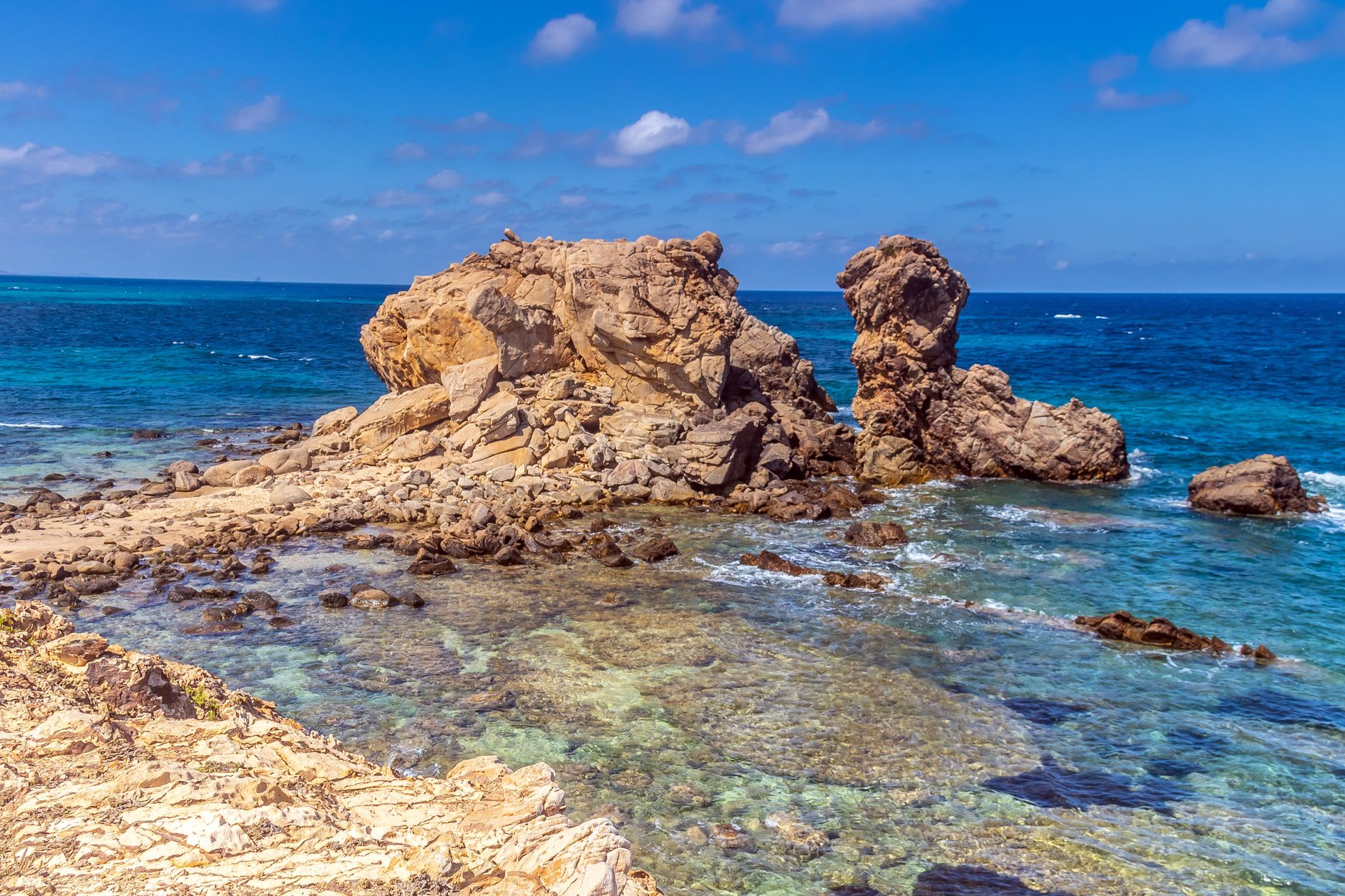
The beaches on the north coast are the kind that make you distrust your own perception. Detwah lagoon, near the western end, is a sweep of white sand enclosed by a natural sandspit, the water turquoise and so flat and clear that fish are visible at depth. There are no sunbeds, no parasols, no vendors. There is almost nobody. I swam for an hour, lay on the sand, swam again, and felt profoundly grateful for the combination of logistical difficulty and ongoing political complexity that has kept Socotra off the mass-tourism circuit.
Getting around requires a 4x4 and a local guide — the plateau tracks are rough and some are genuinely impassable after rain. The roads built during the Emirati infrastructure period improved access dramatically, which is either a convenience or a threat depending on how you feel about what comes next for a place this fragile. At the moment Socotra is still extraordinary and still difficult enough to reach that it remains mostly itself. That combination will not last indefinitely, which is as good a reason as any to go now rather than later.
When to go: October through April, after the southwest monsoon clears. The monsoon season from May to September brings extreme winds that close the island down almost entirely. Check flight availability carefully — schedules from both Aden and Cairo change frequently, and building a firm itinerary around Socotra requires more flexibility than most destinations.