
Simien Mountains
"The Simien Mountains are what happens when a continent decides to show you everything at once."
My first morning in the Simien Mountains began with a gelada baboon sitting approximately three metres from my tent and regarding me with the kind of measured disinterest that a creature can only achieve when it has absolutely no reason to be afraid. The geladas — sometimes called bleeding-heart monkeys for the bright red patch of bare skin on their chests — are found almost nowhere else on earth, and they are spectacularly indifferent to human proximity. The male who had positioned himself outside my tent grazed the short highland grass with his hands, picking and chewing with the rhythm of someone doing something deeply familiar, and occasionally glanced at me the way I imagine I look at pigeons in a city: registered, uninteresting, present.
The Simien Mountains occupy the northwestern corner of the Ethiopian Highlands, a massif of basalt pushed up by ancient volcanic activity and then carved by erosion into a series of dramatic escarpments. The plateau edge drops vertically in places by five hundred metres to a lower terrace, and on clear mornings the clouds fill the valleys below the escarpment line and the plateau appears to float above them — the geladas grazing at the very edge, apparently untroubled by what lies below, their thick winter coats rippling in the altitude wind.
The trekking routes range from a single-day acclimatisation walk to multi-day routes that reach Ras Dashen at 4,550 metres — Ethiopia’s highest point and the fourth highest mountain in Africa. I did three days, camping at high altitude with a guide named Tadesse who walked at a pace that made my relative fitness evident with considerable clarity. The wildflowers at three thousand metres are extraordinary in the wet season — giant lobelia reaching three metres tall, mountain heathers, yellow Hypericum trees that glow in the afternoon light. The air smells of grass and altitude and absolutely nothing else, which is its own kind of luxury.
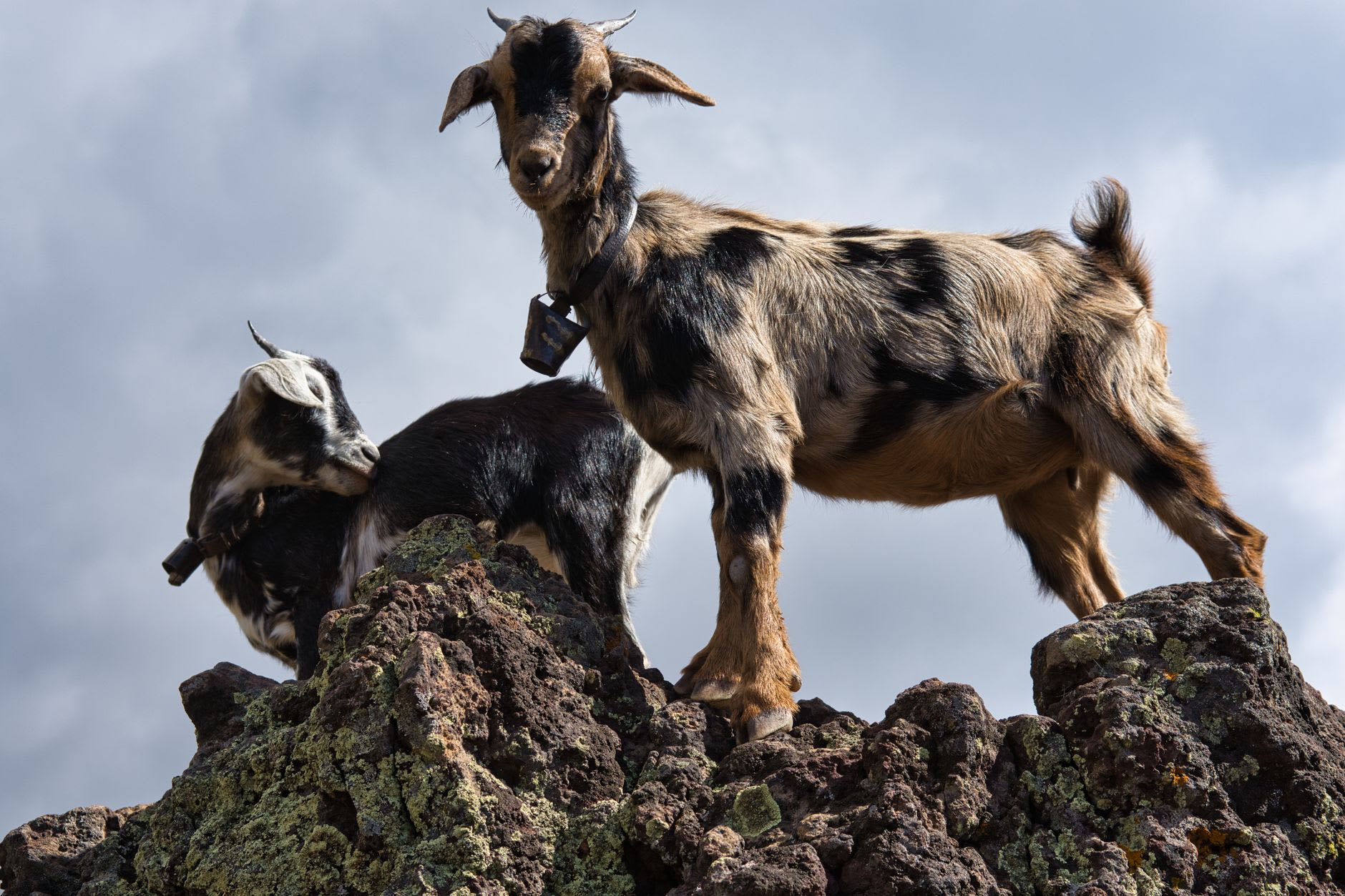
The Walia ibex lives only here — a large mountain goat with spectacular curved horns that appears on the cliff faces in the afternoon when the heat rises and they descend from the higher ground. I spotted three on the second day, moving across a near-vertical rock face with an ease that looked physically impossible from my position on the path below. Lammergeiers — bearded vultures with wingspans of two and a half metres — circle the thermal columns above the escarpment, visible from distances that make their size hard to believe until they sweep close.
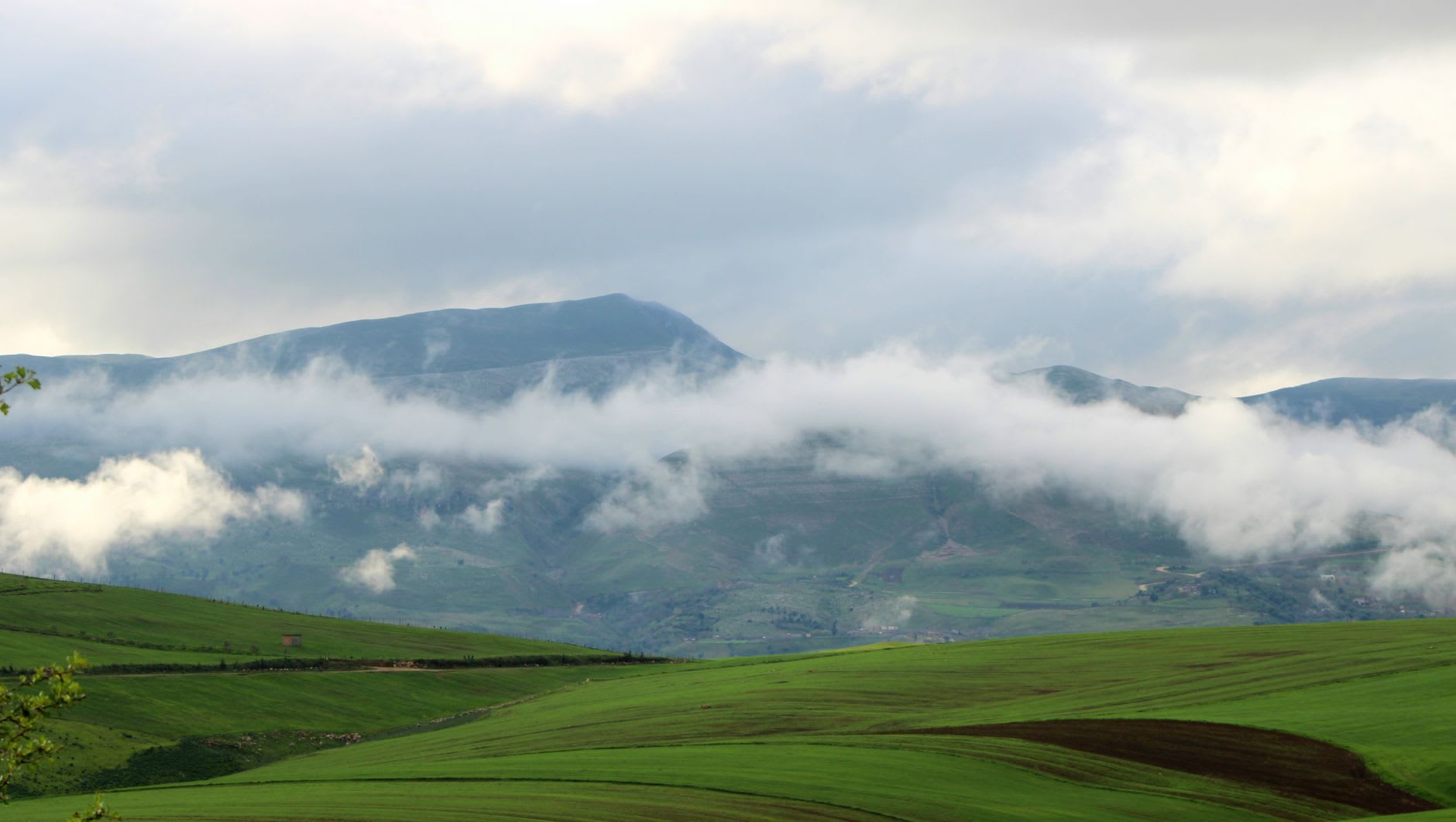
The small villages within the park boundaries are inhabited by Amhara farmers who grow teff and barley on slopes that would defeat most agricultural logic. There is a genuine tension — which Tadesse acknowledged directly and without evasion — between the conservation needs of a UNESCO World Heritage site and the agricultural needs of communities that have farmed this land for centuries. The park management is imperfect. The geladas are, despite everything, thriving. The Walia ibex is slowly recovering. The landscape remains one of the most genuinely extraordinary things I have walked through anywhere on this continent, and that is worth carrying alongside the complications rather than instead of them.
When to go: October to March for dry-season trekking with clear views and reliable paths. The wet season from June to September makes trails muddy and views intermittent, but the wildflower displays are exceptional. Entry requires registration at Debark, the gateway town; guides are mandatory and worth more than the fee — the plateau’s ecology makes far more sense with someone who knows it.