
Lalibela
"Standing at the rim of Bete Giyorgis, I understood for the first time what people mean when they say a place is sacred."
I arrived in Lalibela at first light, which is the only way to arrive. The town sits at 2,600 metres in Ethiopia’s Amhara highlands, and at that altitude dawn does something strange — the air is cold enough to see your breath, but the light comes in warm and horizontal, turning the red granite of the cliffs to the colour of terracotta left in a kiln. I walked to the churches before breakfast, following a path that older pilgrims seemed to know by instinct, and descended into the first sunken courtyard with my heart doing something I did not entirely expect.
Lalibela’s eleven churches were carved from solid red rock in the twelfth century, not built but excavated — the builders started from the surface and cut down and inward, removing the surrounding stone until each church stood free on all four sides, still attached to the earth below. What this means in practice is that you look down into the courtyards rather than up at spires. You descend to enter. The effect, especially at dawn when the shadows are still long and the first incense is rising from the interiors, is of having found something that was buried, not constructed.
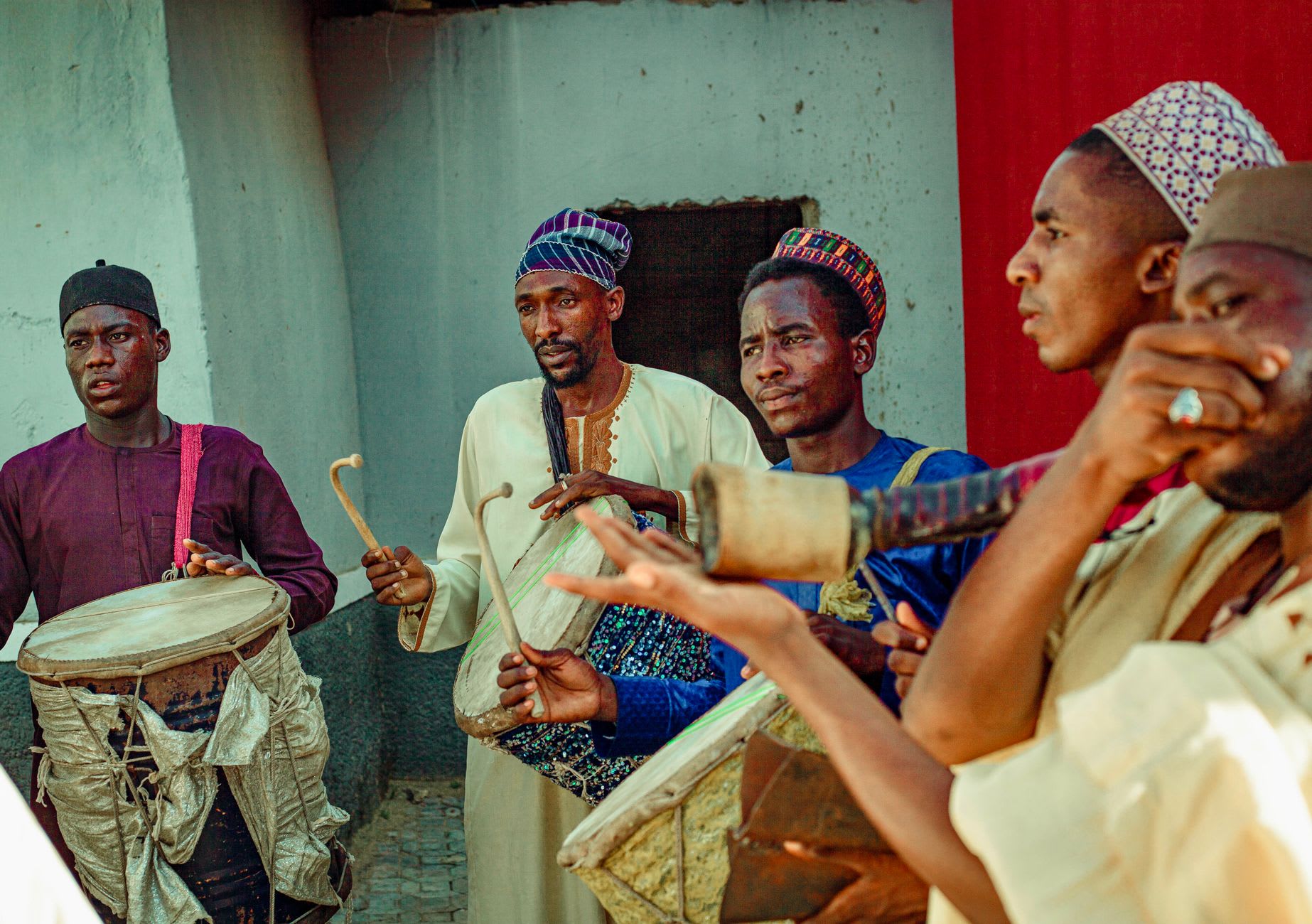
The priests move through the churches in white robes carrying hand crosses and illuminated manuscripts. On major feast days — Timkat, Meskel, the birthday of Saint George — pilgrims arrive from across Ethiopia and the courtyards fill with the sound of drums and chanting that carries up the cliff faces and out across the town. I was there on a quieter day, but even then the liturgy was continuous; there is always a service somewhere in the complex, always incense, always the low drone of Ge’ez scripture from behind carved wooden screens. The smell inside is beeswax and old stone and something fungal from the rock itself — it lodges in your clothes and you carry it with you for hours afterward.
Bete Giyorgis — Saint George’s church — stands alone from the main cluster, cut into its own pit with sheer walls dropping twelve metres on all sides, and its roof is carved with interlocking crosses in three descending tiers. From the rim you look straight down at it. From inside, framed in the narrow doorway, you look up at those crosses against a rectangle of open sky. It is the kind of building that does something to your sense of what is possible in stone — and in faith — that I am still trying to properly articulate.
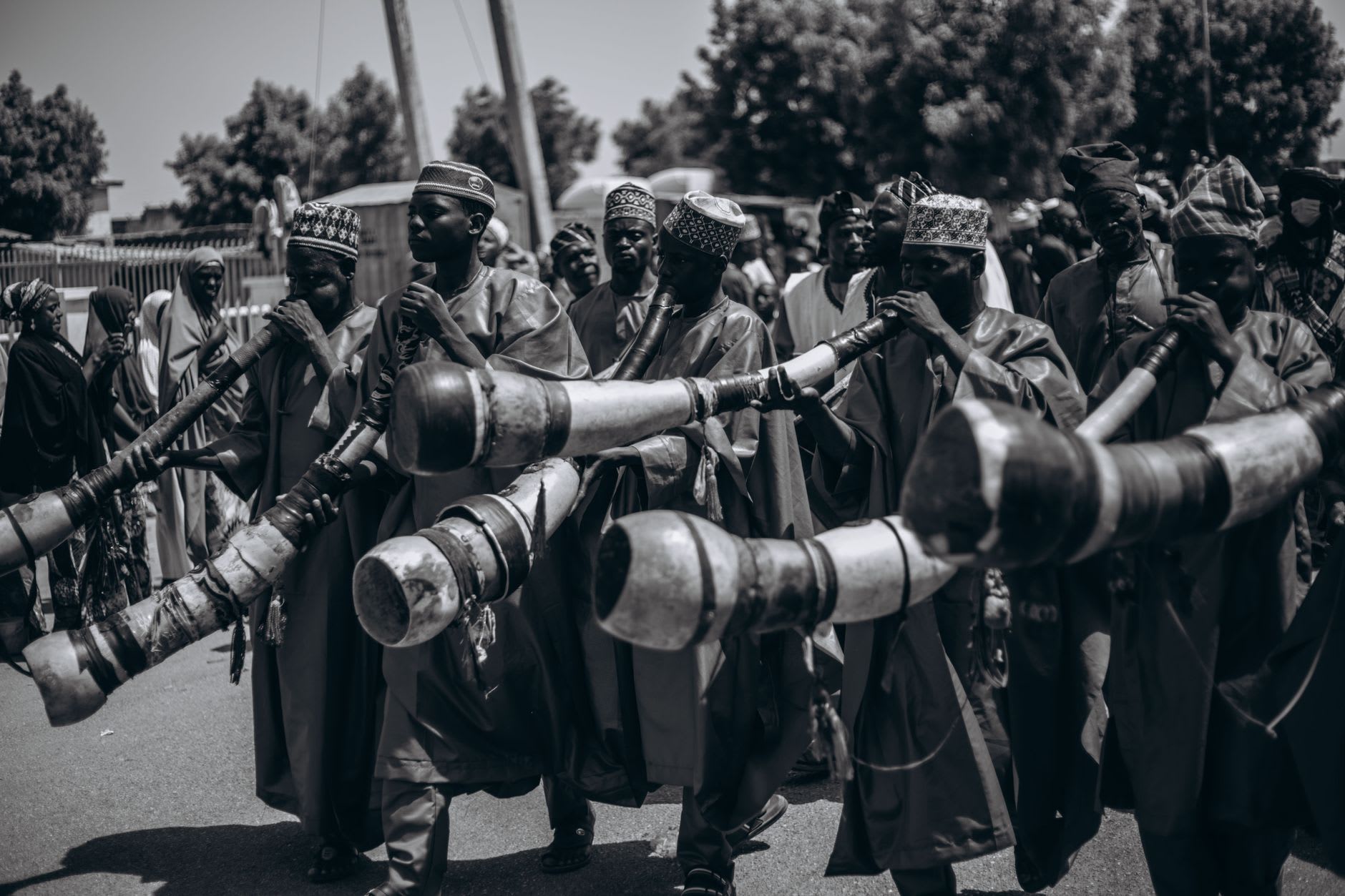
The town around the churches is small and unhurried. There are guesthouses and a handful of restaurants serving Ethiopian staples — injera with lentil tibs and lamb stew thickened with berbere — but Lalibela does not feel built around tourism. The pilgrims far outnumber foreign visitors on most days, which calibrates the atmosphere correctly: this is a living religious site, not a heritage display. I ate breakfast at a table outside a small café where a priest was reading from a hand-copied manuscript and a dog slept in the morning sun beside him, and felt grateful that some things stay mostly themselves.
When to go: October to December and February to April for pleasant highland temperatures. Timkat in mid-January and Meskel in late September bring enormous pilgrim gatherings — extraordinary to witness, but accommodation books months in advance and the atmosphere shifts from contemplative to celebratory. Both are worth planning around.