
Lake Turkana
"The water is jade, the wind is relentless, and the sense of being at the edge of everything is absolutely genuine."
I drove north from Marsabit on a road that was optimistic in places and imaginary in others and arrived at the shore of Lake Turkana in the late afternoon when the light was low and the water was doing the thing that gave it the name Jade Sea — an extraordinary green, not the green of vegetation or algae but something elemental, the result of dissolved minerals and a specific angle of equatorial light creating a colour that looks manufactured and is absolutely not. I sat on the shore for a long time without doing anything in particular, which is the correct response.
Turkana is the world’s largest permanent desert lake and one of the most alkaline bodies of water that fish can survive in. The Nile crocodiles are the largest single population on earth — thousands of them, enormous, sunning themselves on the eastern shore’s black volcanic rocks with the unhurried energy of creatures at the absolute top of the food chain. I kept what I judged to be a careful distance. My guide, a Turkana elder named Ekiru who carried his walking stick like a sceptre, watched me maintain this distance and said nothing, which I chose to interpret as approval of my judgment.
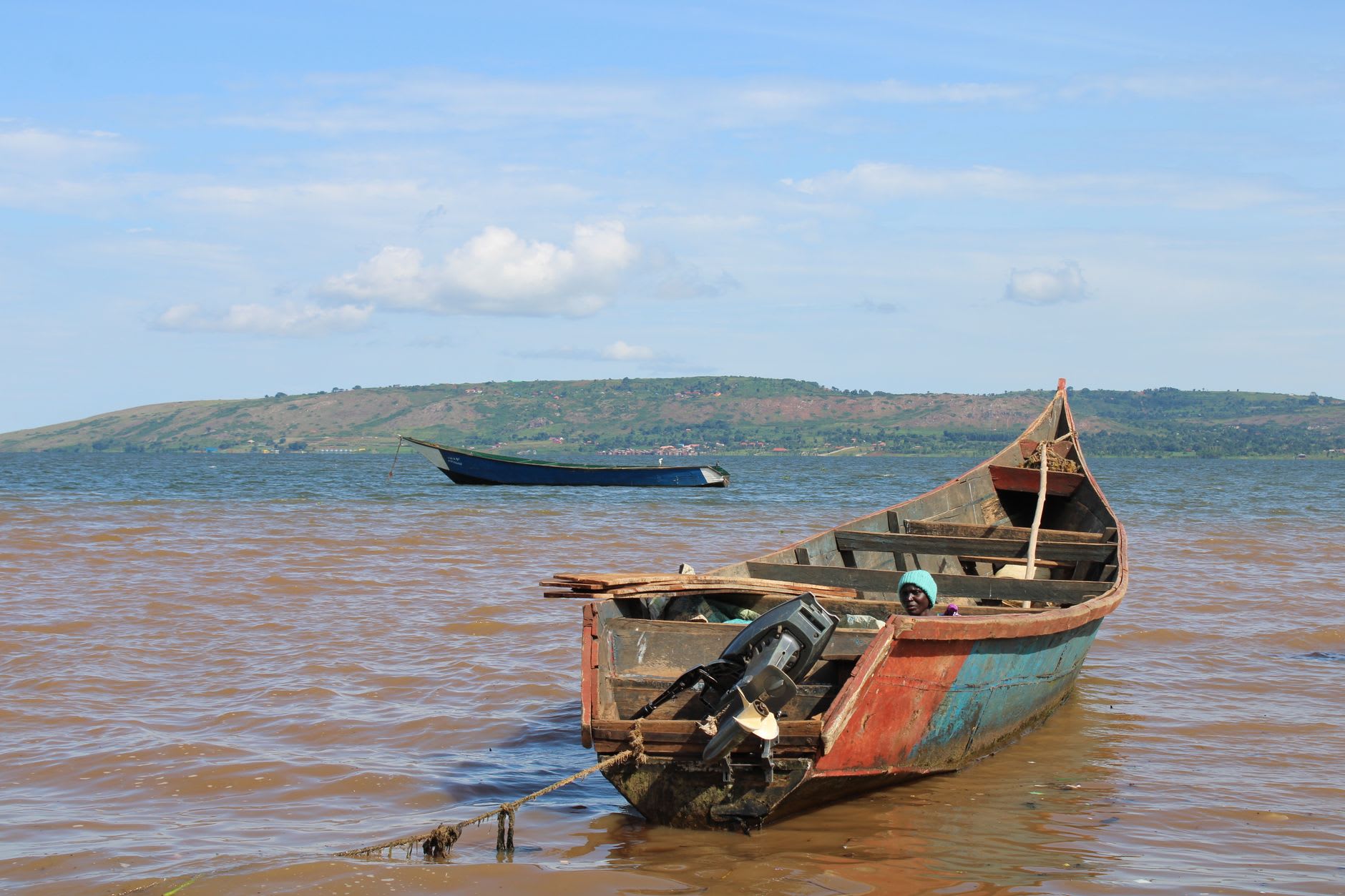
The Turkana people who live along the western shore are pastoralists — cattle, camels, and goats moved across the landscape in patterns that respond to rain and pasture rather than administrative boundaries. The women’s jewellery is extraordinary: stacked bead collars in reds and whites and blues that identify clan and status at a distance, creating a visual language that has been maintained for generations against every pressure to abandon it. Ekiru translated conversations as best he could, but some things communicated without translation — the economy of gesture, the way everyone we met seemed to have a considered opinion about the direction of the wind, the landscape’s sheer scale making conversation feel optional rather than required.
The archaeological context is staggering. The Turkana Basin has produced more early human fossils than anywhere else on earth — the bones of Homo habilis, Paranthropus boisei, and the famous Turkana Boy, a Homo ergaster skeleton 1.5 million years old found in near-complete condition. This is, quite literally, where much of what became us first walked upright. Ferguson’s Gulf, on the western shore, is where Richard Leakey’s teams excavated through the 1970s and changed the map of human evolutionary understanding. Standing on that volcanic black shore looking at those still-remarkable green waters, the antiquity of the place is not an abstraction. It is in the ground under your feet.
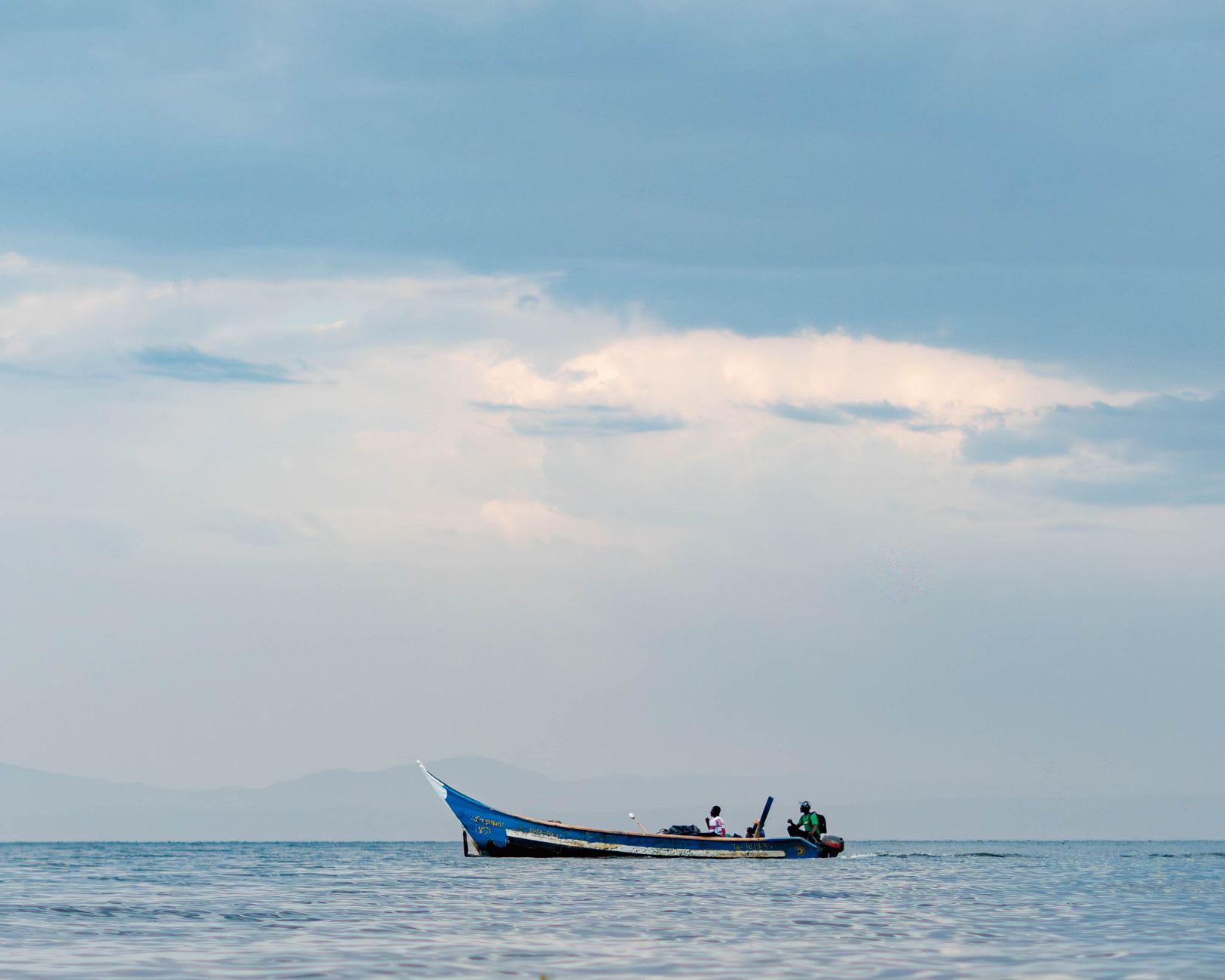
Getting to Turkana is the kind of effort that filters the visitor pool. The drive from Nairobi takes two long days on roads that range from poor to absent. Lodwar is the nearest town with consistent accommodation. Central Island National Park — a volcanic island in the lake’s centre with its own crater lakes and crocodile nurseries — requires a boat, a permit, and costs extra. None of this is discouragement. The remoteness is the point. Turkana at distance from the infrastructure that turns places into experiences is Turkana at its most honest, which is to say its most extraordinary.
When to go: October to March for the best weather, though Turkana’s desert climate is extreme year-round. Bring sun protection at a level you have probably never needed before, and more water than seems reasonable. The wind on the western shore is relentless during the day and cold at night regardless of season.