
Laas Geel
"I have stood in painted caves in France and Spain behind glass and ropes, and then I stood under the cattle of Laas Geel with my hand a few inches from paint older than the pyramids."
Getting to Laas Geel involves paperwork. You drive out from Hargeisa, the capital of the self-declared republic of Somaliland, with a permit obtained from the tourism ministry, and somewhere along the way you collect an armed escort, which sounds more dramatic than it feels — ours was a genial older man with an ancient rifle who spent most of the drive asking Lia questions about Mexico and seemed faintly disappointed that we had not brought any chillies. The road runs through scrubby semi-desert, flat and beige, and gives absolutely no warning of what is coming.
The cattle on the ceiling
Laas Geel is a scatter of granite outcrops about an hour from Hargeisa, and tucked into the overhangs and shelters of that granite are paintings perhaps eight to eleven thousand years old — among the oldest and best-preserved rock art on the entire continent. The astonishing thing is the colour. Cattle painted in red and white and ochre, their bodies rendered with a strange ceremonial fullness, their horns sweeping up in great lyre shapes, and around and beneath them the smaller figures of people with their arms raised. The pigment is so vivid that when our guide first pointed it out I assumed it had been retouched. It has not. It has simply been protected by the overhanging rock and the dryness of the air for ten thousand years.
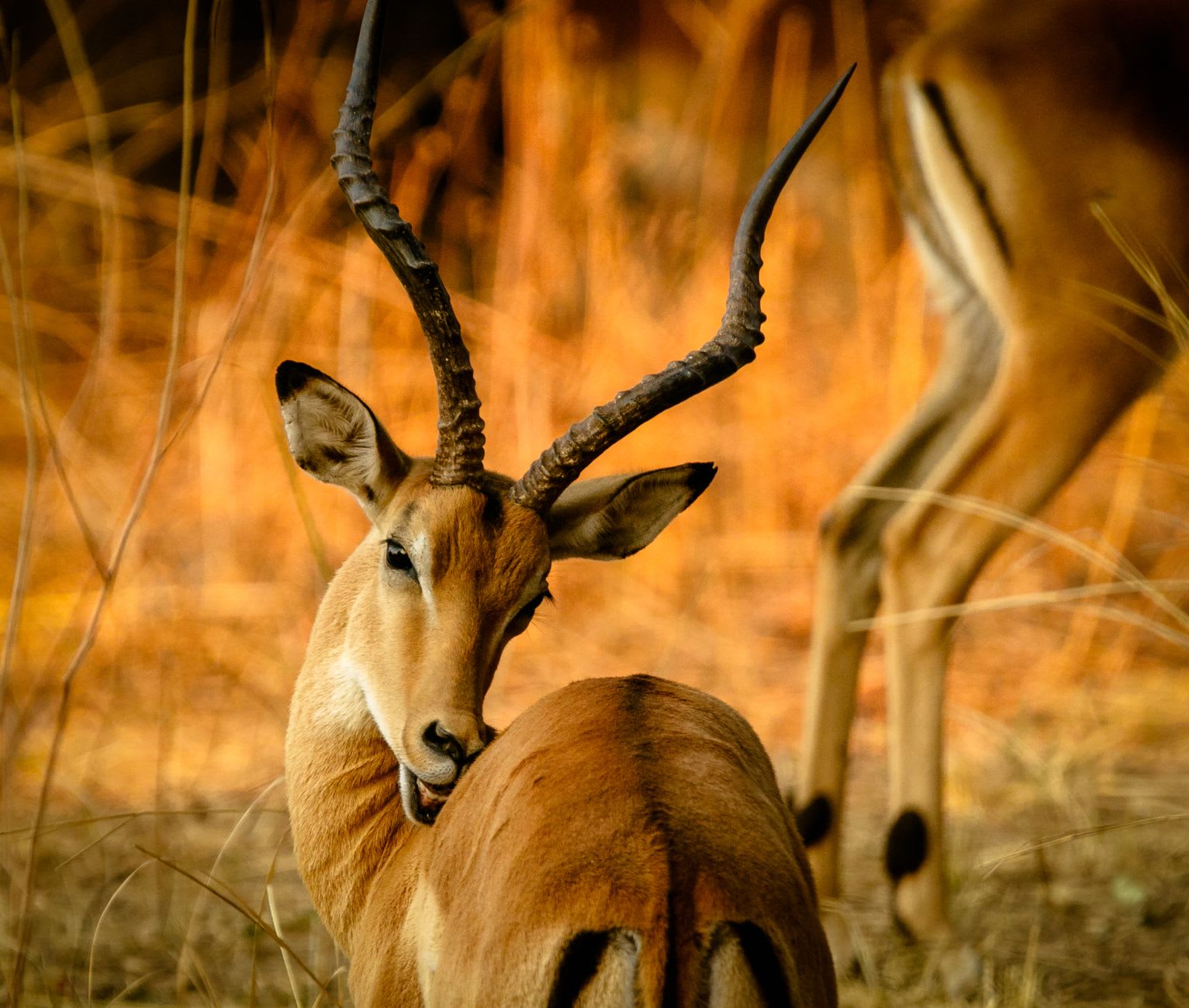
I am not easily moved by old things — I have a tendency to nod respectfully at ruins and then think about lunch — but Laas Geel got past my defences entirely. There is no glass, no walkway, no crowd. You scramble up the rock with the guide, you duck under an overhang, and there above your head is a herd of cattle painted by someone who watched real cattle, who knew their bodies, who painted them for reasons we can only guess at. Lia, who is harder to impress than I am, went very quiet, which from her is the highest form of praise.
Somaliland, briefly
It is worth saying a word about where you are. Somaliland is not internationally recognised as a country, but it functions as one — it has its own currency, its own government, its own flag, and a stability that the wider region has not always managed. Hargeisa, where you base yourself, is a busy and welcoming city, and the experience of visiting Laas Geel is bound up with the experience of being somewhere that is, in a sense, fighting to be acknowledged as existing at all.
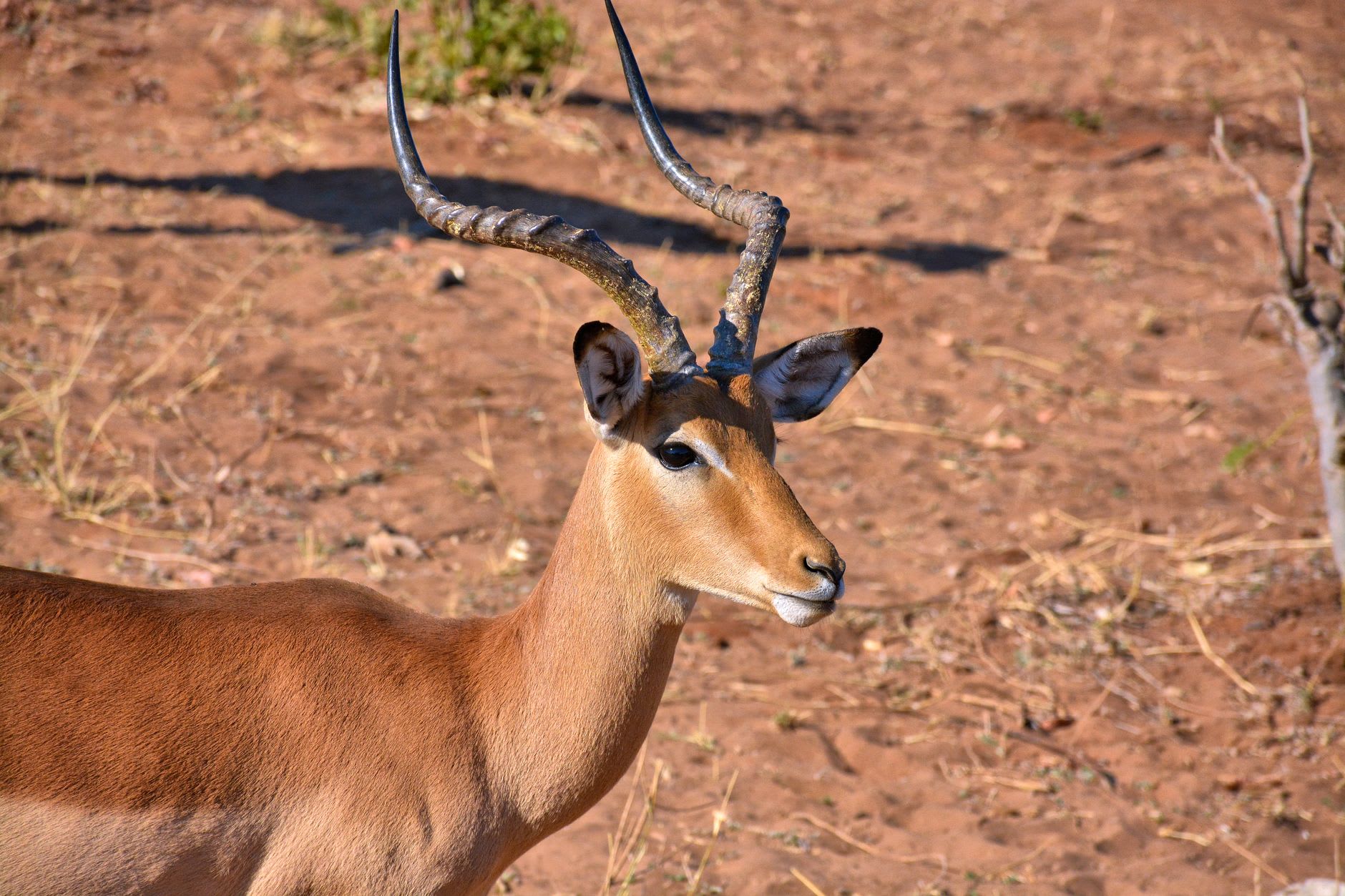
We ended the day back in Hargeisa eating grilled goat and drinking sweet tea at a place our escort recommended, and he sat with us and ate too, his rifle leaning against the wall like an umbrella. He had been to Laas Geel, he said, more times than he could count, and he still climbed up to see the cattle every single visit. That told me everything I needed to know about the place.
When to go: The cooler, drier months from roughly November to February are the most comfortable. You must arrange a permit in Hargeisa and travel with a guide and escort — this is not optional, but it is straightforward to organise and the people you meet doing it are half the pleasure.