Harar
"The hyenas come every night. They have for generations. At some point that stops being remarkable and becomes simply how the city works."
The guide I hired at the gates of Jugol told me to leave my camera at the guesthouse for the first walk. Not as a rule but as a suggestion: see it first without the need to document it, then come back with the camera if you want. This was good advice. Harar’s old city — Jugol, the walled quarter — is so visually dense that a lens immediately becomes a mediating layer between you and the place, and what you need on first encounter is the full sensory weight of it without reduction.
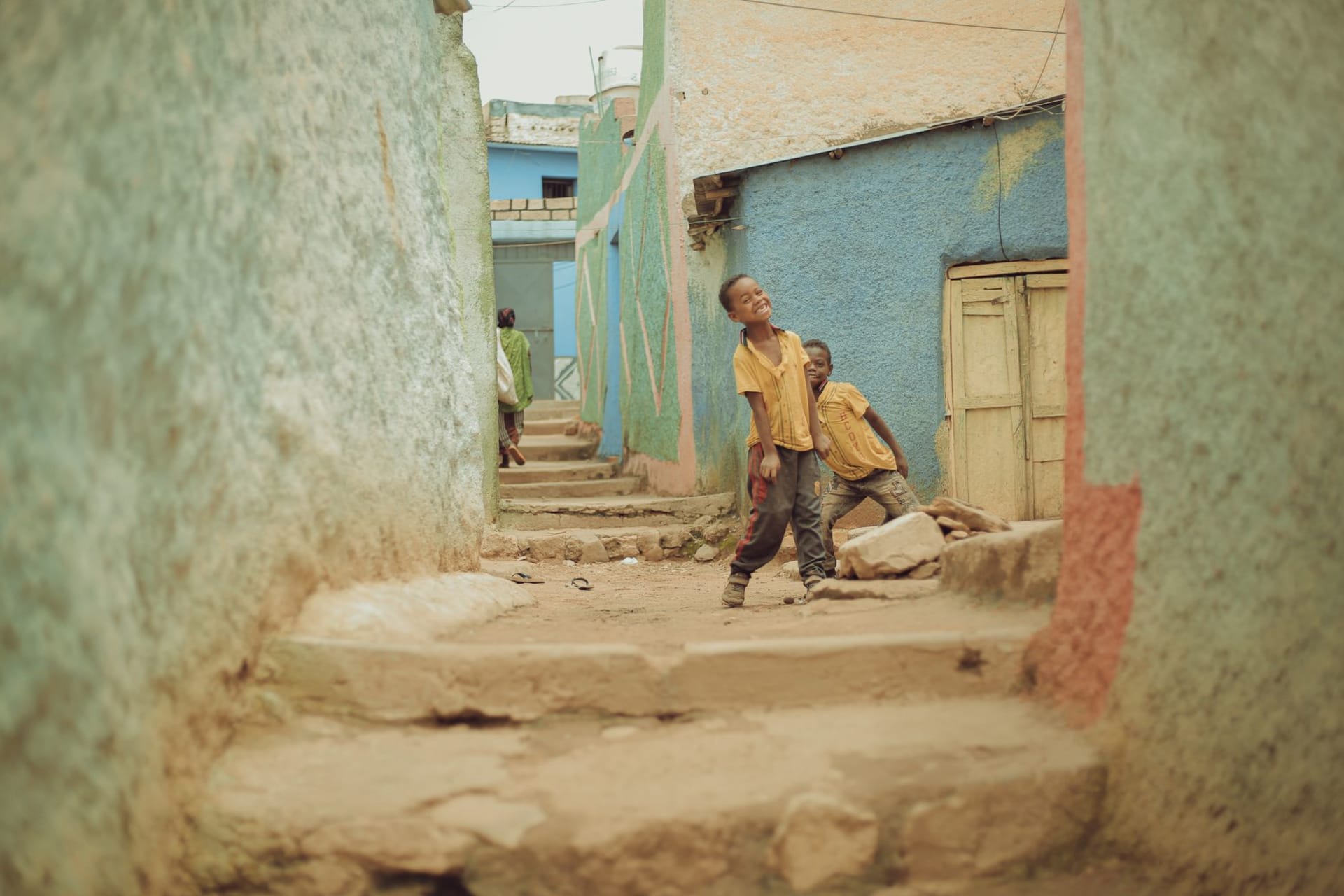
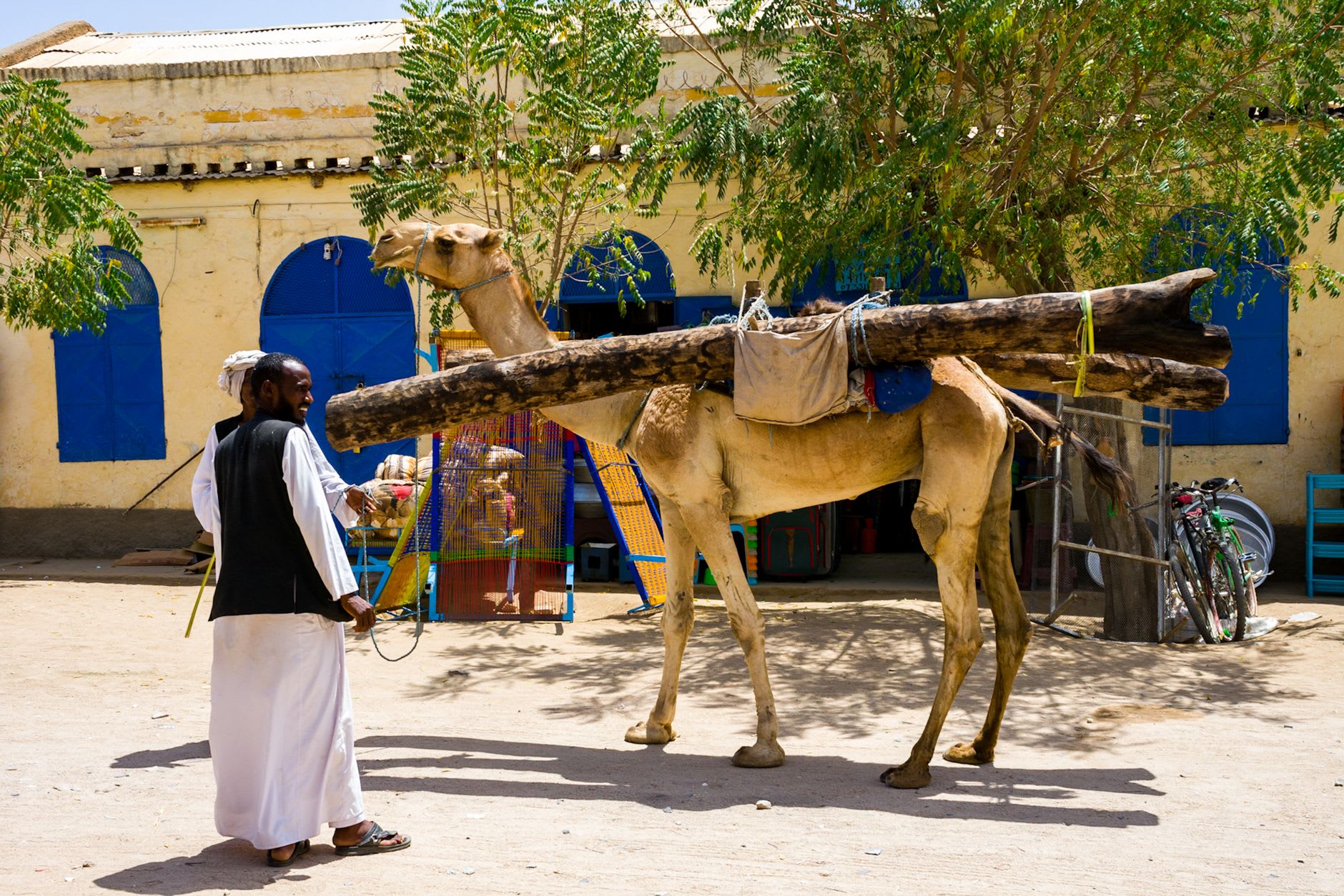
The lanes inside Jugol are narrow enough that two people walking side by side must turn sideways to pass another pair coming the other way. The walls are painted in colours — cobalt, mustard, terracotta, white — that vary house by house, and above them the upper storeys project slightly outward in the way of traditional Harari architecture, making each lane feel like a tunnel of colour with no obvious end. The smell is of incense and coffee and something roasting that I never quite identified. Every few minutes, a man passes with a loaded donkey, which has absolute right of way over everyone and takes it without any particular urgency.
Harar is the fourth holiest city in Islam, which means its 368 mosques are not a boast but simply an architectural fact. The smallest are barely larger than a room, tucked into the fabric of the old city like an afterthought, the minaret sometimes just a slightly raised corner of a roofline. The largest, the Grand Mosque, fills the central square with prayer five times daily, and on Friday mornings the call overlaps with calls from three other mosques close enough to hear simultaneously, creating a texture of sound that is both devotional and oddly domestic — the sonic texture of a neighbourhood that has lived with this rhythm for centuries.
The coffee ceremony I attended in a home near the eastern gate was a revelation less for its ceremony than for the coffee itself. Harar sits at the edge of a highland coffee-growing region, and the local bean, roasted over charcoal and served in three small cups of decreasing size, tasted to me of dark chocolate and cardamom and something faintly smoky that I could not name but wanted more of. The woman who served it watched me drink with the calm satisfaction of someone who already knew what my reaction would be.
The hyena feeding happens after dark at two of the old wall’s gates. The hyena men, whose families have maintained this practice across generations, arrive with baskets of meat and call the spotted hyenas in from the surrounding hills by name. The animals are not tame — they are wild spotted hyenas, large and powerful, and they move with the loping confidence of creatures who understand the negotiating advantage lies with them — but they are habituated to this exchange. A guide offered me a strip of meat to hold in my teeth while a hyena took it. I declined. I am not, it turns out, that committed to authenticity.
Arthur Rimbaud lived in Harar for nine years in the 1880s, trading coffee and ivory while writing almost nothing. His house is now a museum. I stood in the room where he worked and thought about what it would feel like to choose a city like this as a place to be silent in.
When to go: October through March, when highland temperatures are cool and the air is clear. The hyena feeding happens year-round after dark — ask your guesthouse for the current location of the feeding point, which shifts occasionally between the two gate sites.