
Djibouti City
"The heat here is not weather — it is a physical presence you learn to negotiate."
I arrived in Djibouti City at two in the morning and the heat hit me before I had crossed the threshold of the terminal — forty degrees and absolutely still, the Gulf of Tadjoura flat and black beyond the port cranes. A man at the taxi rank asked where I was from, nodded when I said France, and told me without irony that I was standing in the most interesting country in the world. I did not feel equipped to disagree. There was something about that moment — the furnace air, the distant lights of a Chinese container ship, the odd dignity of a man making this claim at midnight in a parking lot — that I keep returning to.
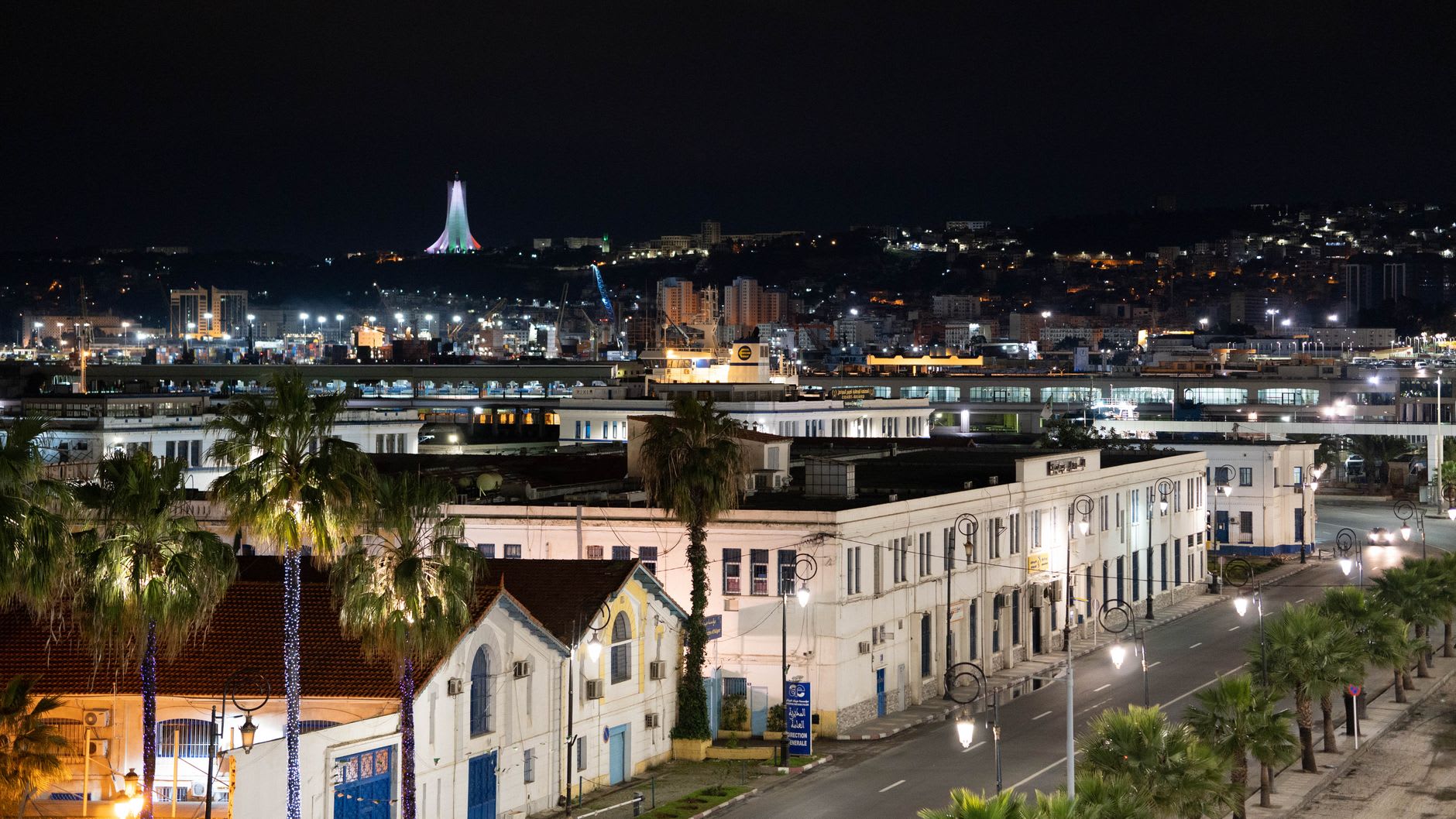
Djibouti City is not conventionally beautiful. Its colonial quarter — Place Menelik with its bougainvillea-strung facades and the old administrative buildings the French left behind — wears its abandonment honestly. Plaster falls in sheets. Balconies rust. And yet, in the early morning, when the light on the gulf turns to pale gold and the corniche fills with women in bright dirac scarves and French Foreign Legion soldiers jogging in a loose column, the city achieves a kind of improbable beauty through sheer specificity. There is no other place like this.
The Marché Central is where the city’s many layers press together most vividly. Yemeni spice traders with sacks of cumin and dried lime operate next to Somali women selling khat — the mildly stimulant leaf that everyone in Djibouti seems to chew from about noon onward, cheeks gradually swelling through the afternoon. Ethiopian traders sell injera and berbere paste from folding tables between vendors offering Chinese-made plastic goods and secondhand phones. The smell is of fish and coriander and the faint sweetness of mango decomposing gently in the heat. I bought samosas from a woman who communicated entirely without shared language and was still more efficient than most transactions I have managed in my life.
The food in Djibouti surprised me. I expected it to be an afterthought and instead found a cuisine that is genuinely its own thing — Somali base with Yemeni and French influences, all of it shaped by the port and its traffic. The best meal I had was at a place near the old quay with no menu, where they brought lamb stew with cardamom and a dense, spongy bread that existed precisely to be torn and used as a vessel. I ate there every day I was in the city. French brasseries serving steak-frites still exist for the military expats, but the city’s real food is in those unlabelled places near the water.
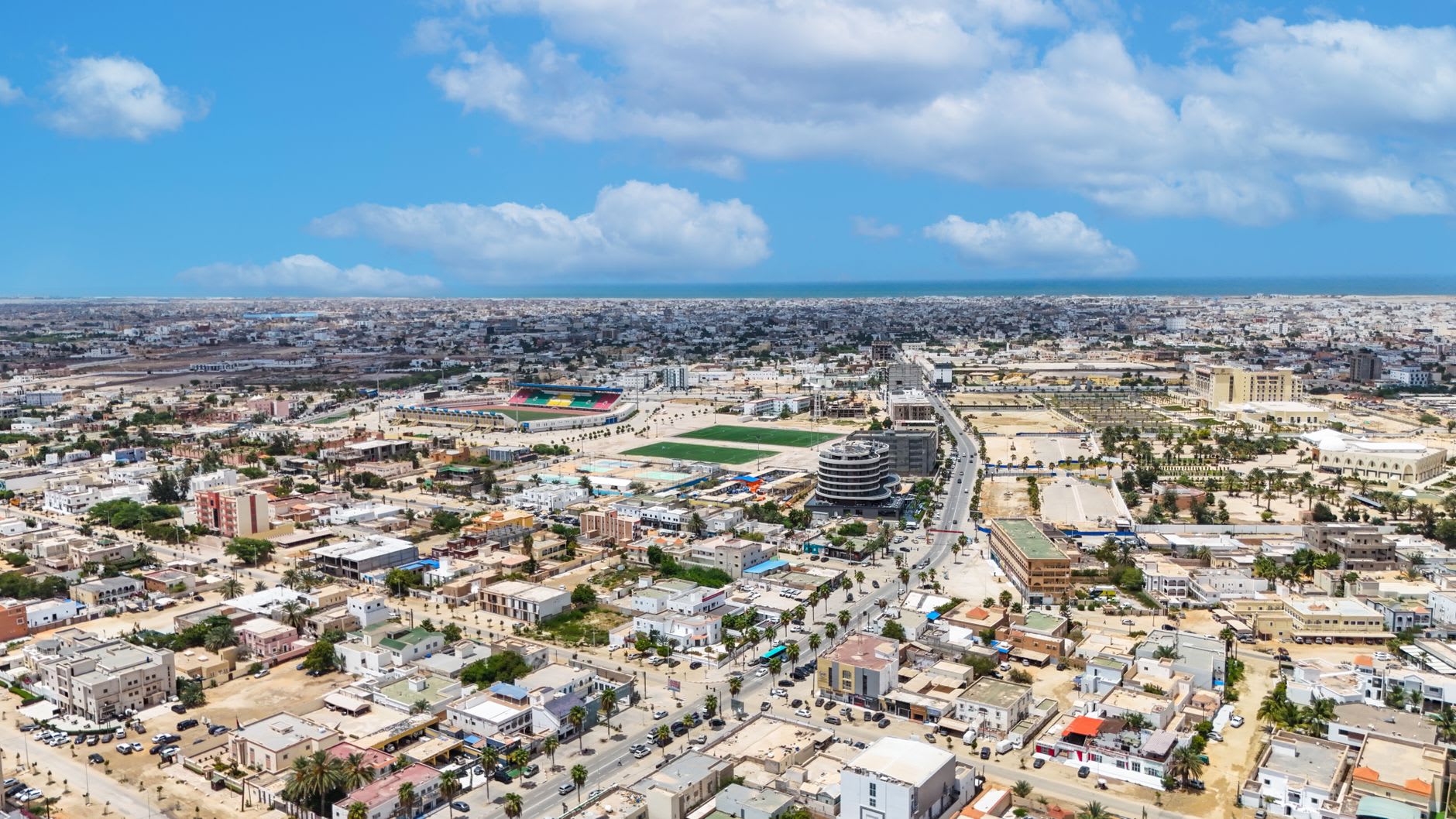
What stays with me most is the evenings on the corniche. After the worst of the heat breaks — and it breaks at a grudging nine or ten at night rather than at sunset — people come to sit by the water. Children chase each other across the road. Fishermen haul boats onto the quay with the practiced ease of people doing things they have done a thousand times. Across the strait, on clear evenings, you can make out the faint outline of Yemen, which makes the geography viscerally real in a way that maps never quite achieve: this is where Africa and Arabia genuinely touch, not metaphorically but physically, across a stretch of water you could cross in an afternoon.
When to go: November through March, when temperatures fall to a still-formidable but manageable 30–35°C. Allow at least two days — one for the city itself, one for day trips to Lac Assal or the Gulf’s snorkelling beaches along the coast toward Tadjoura.