
Danakil Depression
"There is nowhere else on earth where you feel the planet is still actively being made."
The convoy left Mekele at three in the morning. Four jeeps, a dozen travellers in varying states of pre-dawn incoherence, and guides who moved with the casual competence of people for whom the road to the Danakil is simply the road to work. I had been told to expect extraordinary things, which is usually a setup for disappointment. The Danakil managed to be more extraordinary than the description.
The Depression lies at the junction of three tectonic plates — the African, Arabian, and Somali — all pulling apart simultaneously, which means that what you are looking at is not just a landscape but a process. The planet is actively rearranging itself here at a rate fast enough that geologists get excited and everyone else gets uneasy. Dallol, the hydrothermal field at the crater’s heart, is the hottest average temperature of any inhabited place on earth. It is also, in defiance of all expectation, astonishingly beautiful.
The springs at Dallol come in yellows and greens and rusts that look digitally saturated — the kind of colours you see in renders of imaginary planets. The ground around them is encrusted with salt formations and sulphur deposits that crunch underfoot and occasionally give way, which the guides note cheerfully and specifically. Do not, they say, step anywhere that is not an established path. The sulphuric acid pools are not merely unpleasant. They are genuinely dangerous. I walked very carefully.
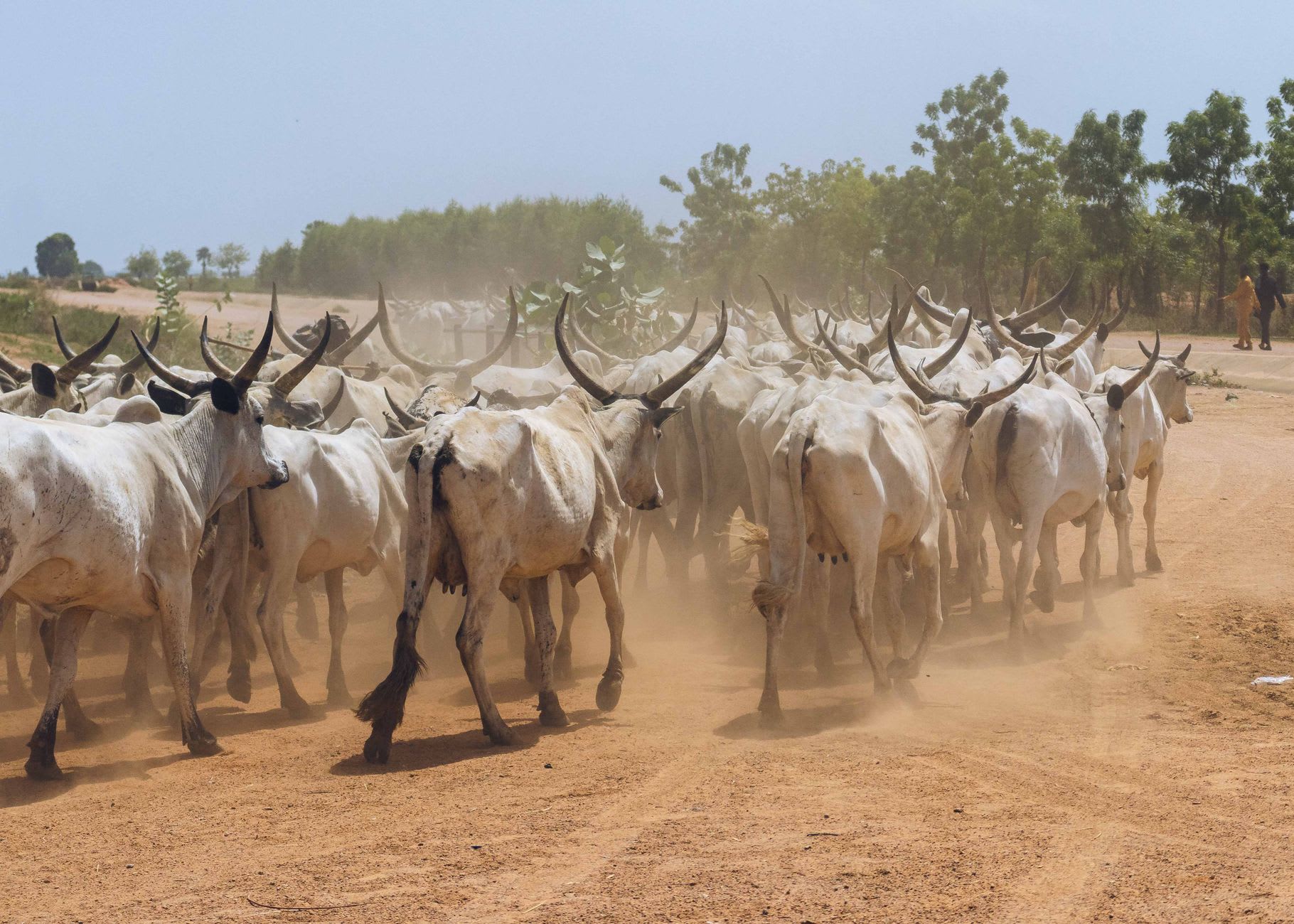
What surprised me most was the presence of people. The Afar salt miners who work the white flat of Karum Lake have been making this journey for centuries — camel caravans still leave before dawn, loaded with hewn salt blocks, headed to the Ethiopian highlands to be traded. I watched a team of four men cutting and stacking salt with a precision that comes from repetition across generations, their bodies wrapped against the sun, their pace perfectly calibrated to conserve what little energy the heat permits. There was no performance of tradition here. This is how it is done because this is how it has always been done, and the economics still make sense.
At night, the convoy drove further into the Depression to reach Erta Ale — an active shield volcano with a persistent lava lake in its caldera that has been burning for at least a hundred years and possibly much longer. The hike up in darkness took two hours, and I arrived at the rim with my headtorch cutting through volcanic gas to find the surface of the lake in slow, violent motion. The lava cooled at the edges and cracked to reveal orange-red underneath, then rolled and turned and cracked again. The heat at the rim was extraordinary — I could feel it on my face at ten metres’ distance. I stood there for a long time and nobody spoke.
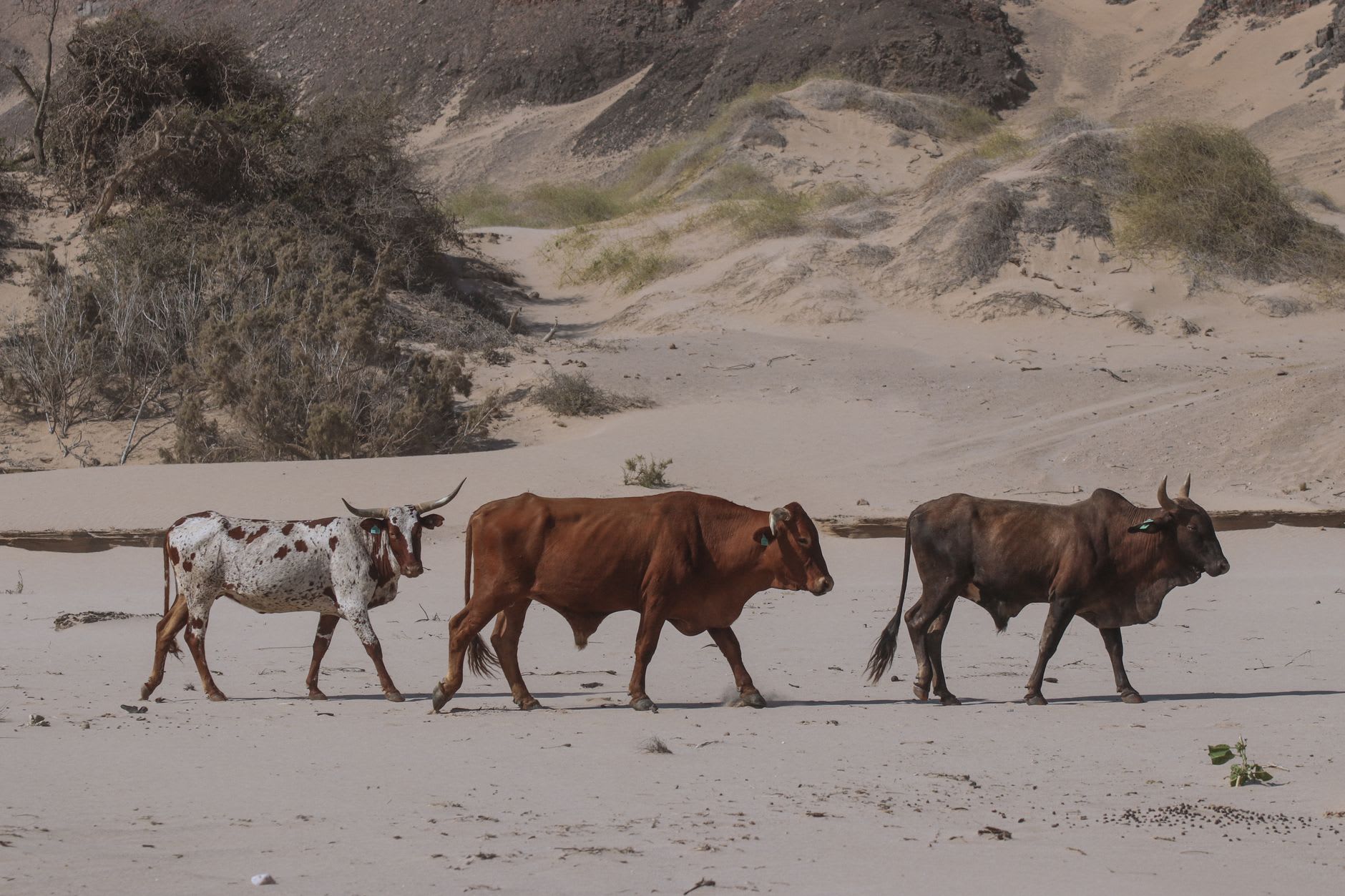
Back in the jeeps afterward, dust-covered and slightly dazed, someone pointed out that we were sixty metres below sea level and the temperature was still over forty degrees at two in the morning. The Danakil is extreme in a way that is not metaphorical. It is the actual bottom of the world, and it does not care about you at all, and somehow that indifference is exactly what makes the effort to reach it feel worthwhile.
When to go: October to March only — the Depression becomes lethally hot even by its own standards in the wet season. Join an organised tour from Mekele; independent access to the lava lake area requires armed escorts provided by the local administration, and reputable operators arrange this automatically.