
Berbera
"Berbera is where you go when you want to feel like the world's maps are still being drawn."
Berbera came into my life through a conversation at a guesthouse in Hargeisa — a British NGO worker who had been in Somaliland for three years mentioned the beach almost as an aside, as though recommending beaches was somehow embarrassing. “It’s a bit absurd,” he said. “The whole setup is a bit absurd. But you should go.” I took the two-hour road east from Hargeisa the following morning, through a landscape of dry acacia scrub and black basalt hills, and arrived at what I can only describe as one of the least expected beaches I have ever encountered.
Berbera sits on the Gulf of Aden at the foot of a low range of coastal mountains, its waterfront a mix of Ottoman-era coral-stone warehouses and newer construction that has not yet aged into the cityscape. The beach itself begins where the old port ends and runs eastward for several kilometres — white sand, calm turquoise water in the morning before the Shamal wind picks up, and at the hour I arrived precisely one other person visible in the entire length of it. She was washing a fishing net. We acknowledged each other across about two hundred metres of empty shoreline and that was the extent of social interaction for the first hour.
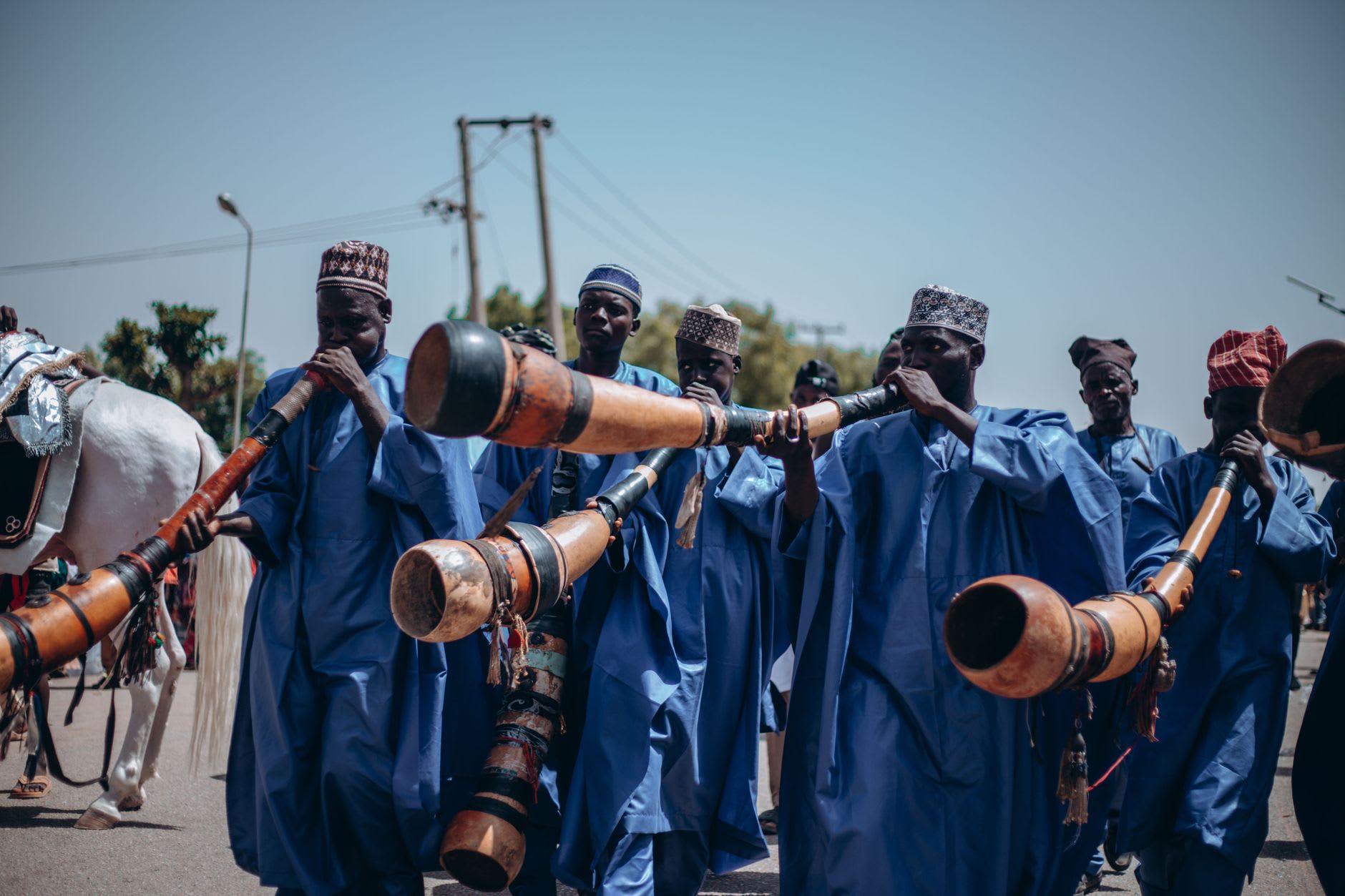
The old town rewards close attention. The coral-stone buildings with their carved wooden doors and latticed upper windows are in various states of preservation — some well-maintained and inhabited, some slowly subsiding into the sand, all carrying the accumulated weight of a port that was once one of the most significant on the Horn of Africa. The Berbera trade route brought frankincense and myrrh from the interior to Arab and Indian traders for centuries; the city appears in classical Greek texts as a known trading port. The Ottomans built here. The British and Italians contested it. And then the civil war of the 1980s emptied it almost entirely, and what returned in the three decades since Somaliland declared independence is something quieter and more tentative, still finding its shape.
The frankincense economy is still real. I bought a small bag of boswellia resin at a market stall from a woman who let me smell three different grades, explaining through her daughter’s translation that each had a different use and a different value. The Somali frankincense carries a sharper, greener note than the Yemeni or Omani varieties I had encountered before — more citrus, less incense-shop. I burned some in my guesthouse room that evening and the smell filled the space and sent me somewhere between memory and anticipation, which is what frankincense has always done and why it has been traded for four thousand years.
What strikes me most about Berbera is the combination of historical weight and present lightness. Nobody is performing history here, nobody packaging the Ottoman warehouses or the ancient trade routes into an experience you purchase. The warehouses are used as warehouses. The port still operates as a port. The beach is used by fishermen. And occasionally, a traveller who heard about it from someone at a guesthouse somewhere comes and sits on the sand and watches the Gulf of Aden go by and feels intensely grateful that the world still contains places this unmediated by the apparatus of tourism.
When to go: November to April, when temperatures are relatively bearable at 25–35°C. The Shamal wind picks up in the afternoon — mornings on the beach are calm and extraordinary. Somaliland is an unrecognised state; e-visas are available online, entry is generally straightforward, but check current security and travel conditions before committing to the itinerary.