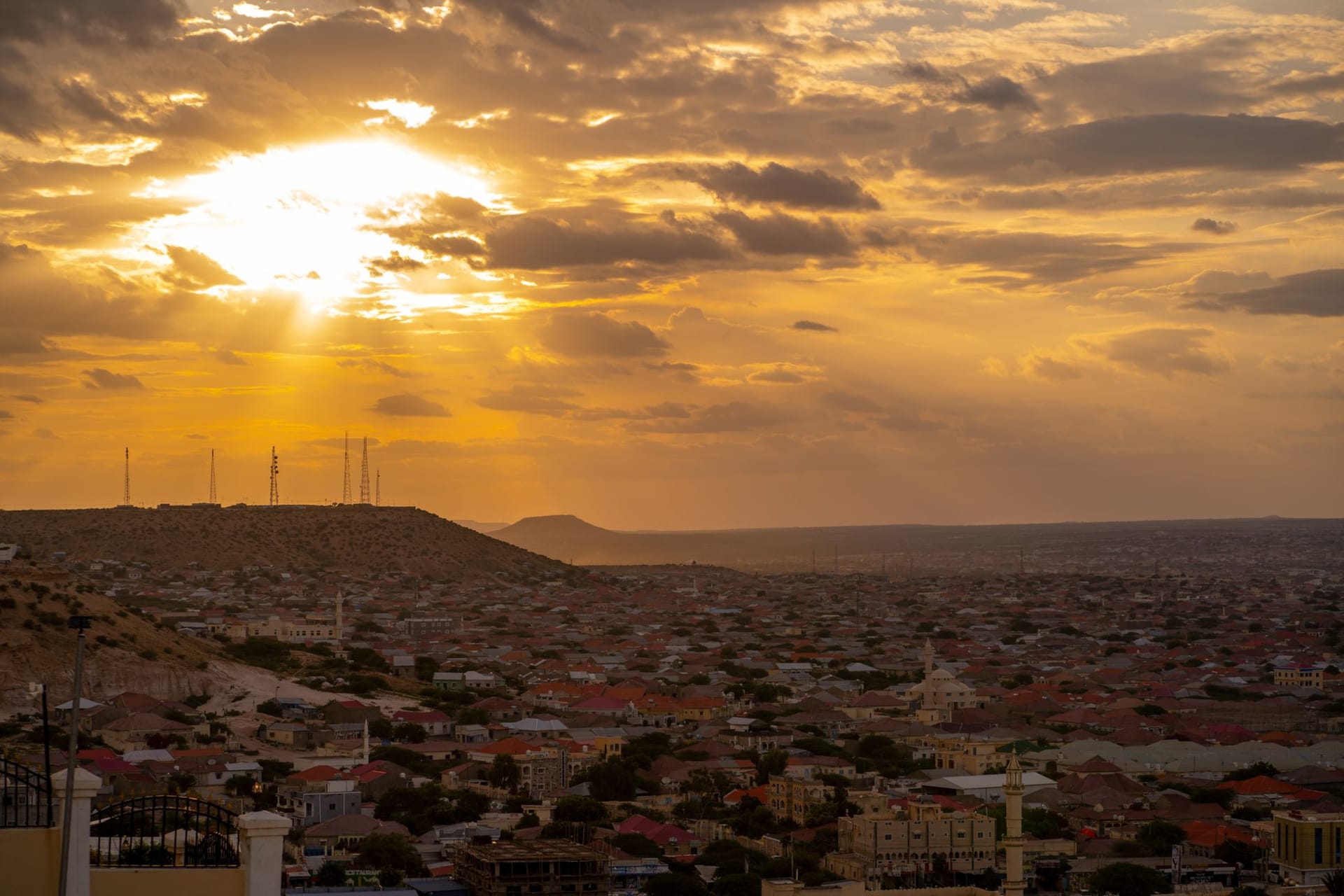
Asmara
"Asmara is the strangest city I have ever loved — Italian Modernism at altitude, somehow completely at peace with itself."
I ordered a macchiato at a bar on Harnet Avenue and sat under a ceiling fan and thought: I am in Africa, at 2,400 metres, drinking what is genuinely one of the best espresso-based coffees I have had in my life, and there are Fiat signs on the wall and the bar owner is speaking Italian to a man at the counter who is answering in Tigrinya and neither of them finds this unusual. This is Asmara. It does not make complete sense and it does not need to.
The Italians arrived in Eritrea in the late nineteenth century and stayed long enough to rebuild the capital according to the Modernist enthusiasms of the 1930s — Art Deco, Futurism, Rationalism — leaving Asmara with a collection of early twentieth-century architecture so complete and so well-preserved that UNESCO placed it on the World Heritage list in 2017 and architectural historians make pilgrimages from across the world to study it. The Fiat Tagliero building, designed in 1938, has no columns supporting its cantilevered wings — the engineer reportedly told the builder that if columns were added he would shoot him, which is either apocryphal or a story that explains a great deal about the period depending on your sensibility. The wings cantilever out twenty-seven metres from the central tower, clean and improbable against the highland sky.
What makes Asmara unusual beyond its architecture is that the Modernist buildings are in active use. The Cinema Impero — a masterpiece of 1930s cinema design with its curved facade and neon signage — still screens films. The Opera House, stripped of its original name by Eritrea’s political history, is being slowly restored. The bars along Harnet Avenue have names and interiors that a Roman from the 1950s would immediately recognise, and the culture of the passeggiata — the evening promenade along the main street — survived decolonisation entirely intact and continues every night, Eritreans walking in the cool altitude air with the unhurried confidence of people who know exactly what they are doing and why.
The espresso culture is the clearest evidence that some transplants take root. Eritrea has some of the highest coffee consumption per capita in Africa, and the coffee is extraordinarily good — properly maintained machines, freshly ground local beans, served in small cups that represent the only correct volume for this purpose. I had coffee three times a day in Asmara and felt no guilt about any of it. The café owners, many of them third or fourth generation since the original Italian-Eritrean families, speak Italian, Tigrinya, and Arabic with the same unremarkable ease that people speak whatever languages their cities require.
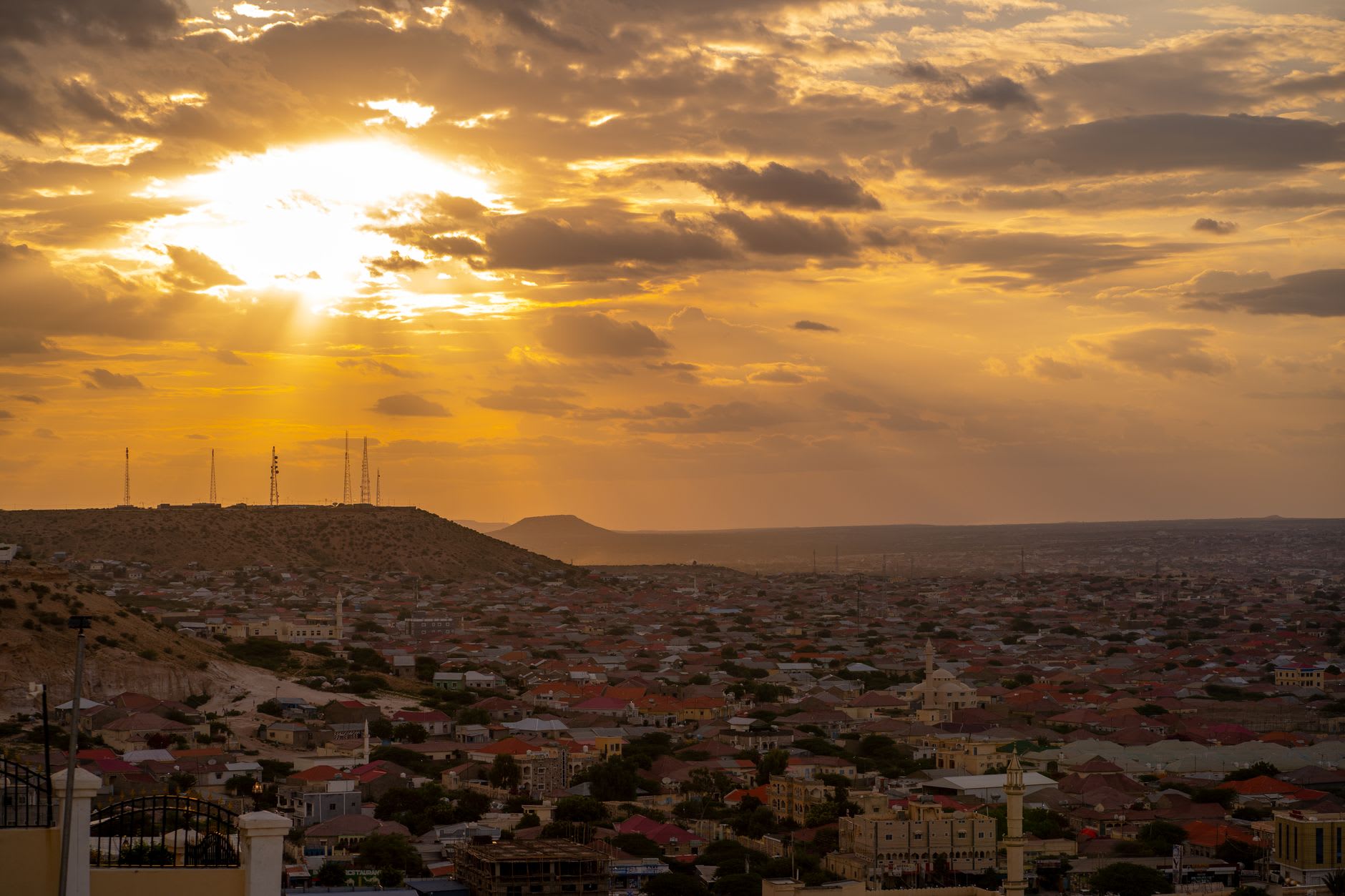
Visiting Asmara requires dealing with Eritrea’s bureaucratic entry requirements — a visa obtained in advance, a mandatory hotel registration, occasional restrictions on photography in public spaces near government buildings. These are real frictions, and the country’s political situation is not something any traveller should approach without awareness. But Asmara itself, at street level, is a place of remarkable warmth and quiet normality. People ask where you are from with genuine curiosity. The markets sell local honey alongside Italian-brand pasta. The city sits at altitude in the middle of a region that has known decades of conflict and functions, beautifully and stubbornly, as itself.
When to go: November through March for the best highland weather — dry, clear days ideal for walking the city’s streets and photographing its extraordinary building stock. Apply for a visa through the Eritrean embassy at least four to six weeks in advance and expect to document your intended itinerary in some detail.