Tsz Shan Monastery
"You have to book a free ticket in advance just to keep the crowd small enough for the silence to survive. That alone told me to go."
A vast, hushed Buddhist complex in the hills above Tai Po, built around one of the tallest bronze Guanyin statues on earth and a policy of deliberate, capped calm.
Tsz Shan Monastery caps its daily visitor numbers and requires a free advance booking, which sounds bureaucratic until you actually arrive and understand why — the whole point of the place is a kind of engineered stillness, and it works precisely because there aren’t three hundred other people breaking it. Lia and I booked our slot online a week ahead, took a minibus up into the hills above Tai Po, and arrived at a complex so quiet that our own footsteps on the courtyard stone felt like they needed apologizing for.
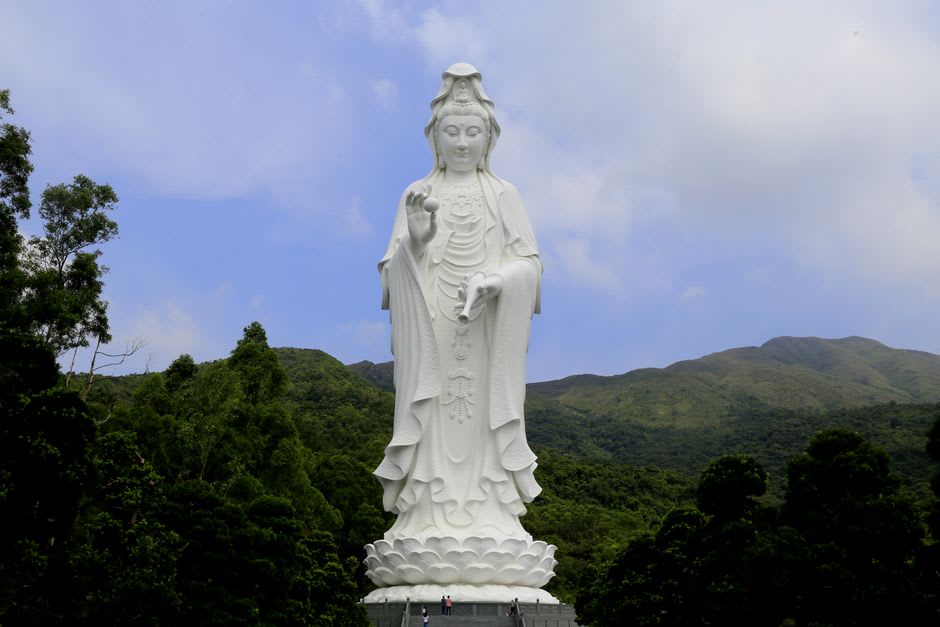
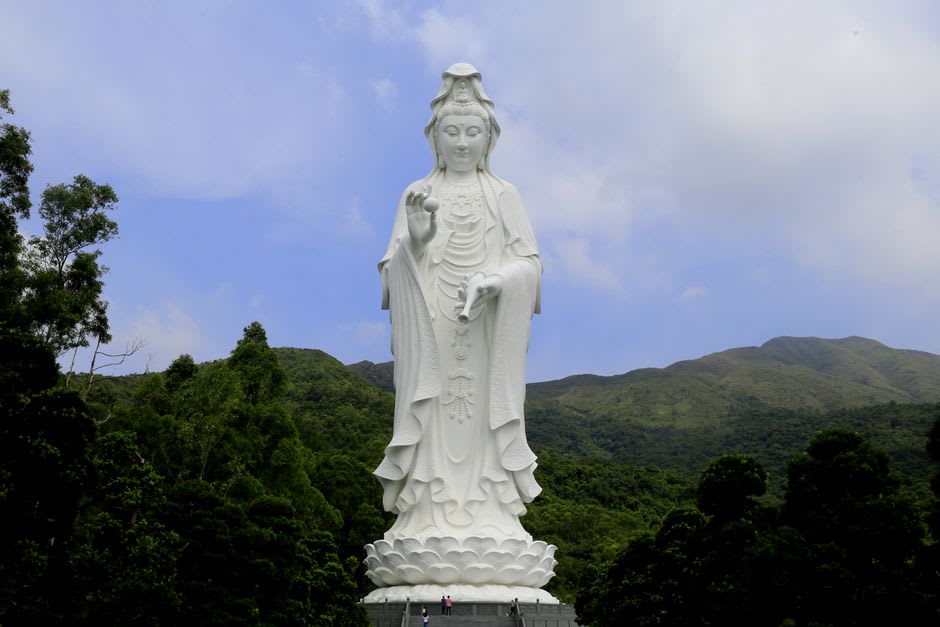
The Guanyin statue is the reason most visitors make the trip, and it earns the reputation — seventy-six meters of white bronze depicting the bodhisattva of compassion, visible from a considerable distance as you approach through the hills and only growing more overwhelming as you near the base. Funded largely by Li Ka-shing, one of Hong Kong’s most prominent businessmen, the statue and monastery complex opened in 2015 after roughly a decade of construction, and the scale is deliberate: this was built to be one of the largest Guanyin statues anywhere, and standing at the base looking straight up, the intent registers immediately.
What surprised me more than the statue’s scale was the architecture around it. The monastery halls use a restrained, almost minimalist palette — grey stone, dark wood, water features designed to be heard rather than just seen — a deliberate departure from the ornate red-and-gold style of most Hong Kong temples we’d visited elsewhere. Lia, who tends to find heavily decorated religious architecture a bit much, said this was the first temple complex in Hong Kong that actually calmed her rather than simply impressing her, and I understood the distinction the moment she made it.
Photography is restricted inside several of the halls, and mobile phones are asked to stay silenced throughout the grounds — small rules that, combined with the capped visitor numbers, add up to an atmosphere genuinely distinct from anywhere else we visited in Hong Kong. We spent close to three hours there without once feeling rushed or crowded, which after weeks in the city’s denser districts felt like its own kind of gift.
When to go: Book your free timed entry ticket online at least a few days ahead, since daily capacity fills quickly on weekends. Weekday mornings offer the calmest visit; clear autumn days between October and December give the best long views back down toward Tai Po and the reservoir.
Keep exploring
More from Hong Kong
 hong-kong
 Tung Ping Chau
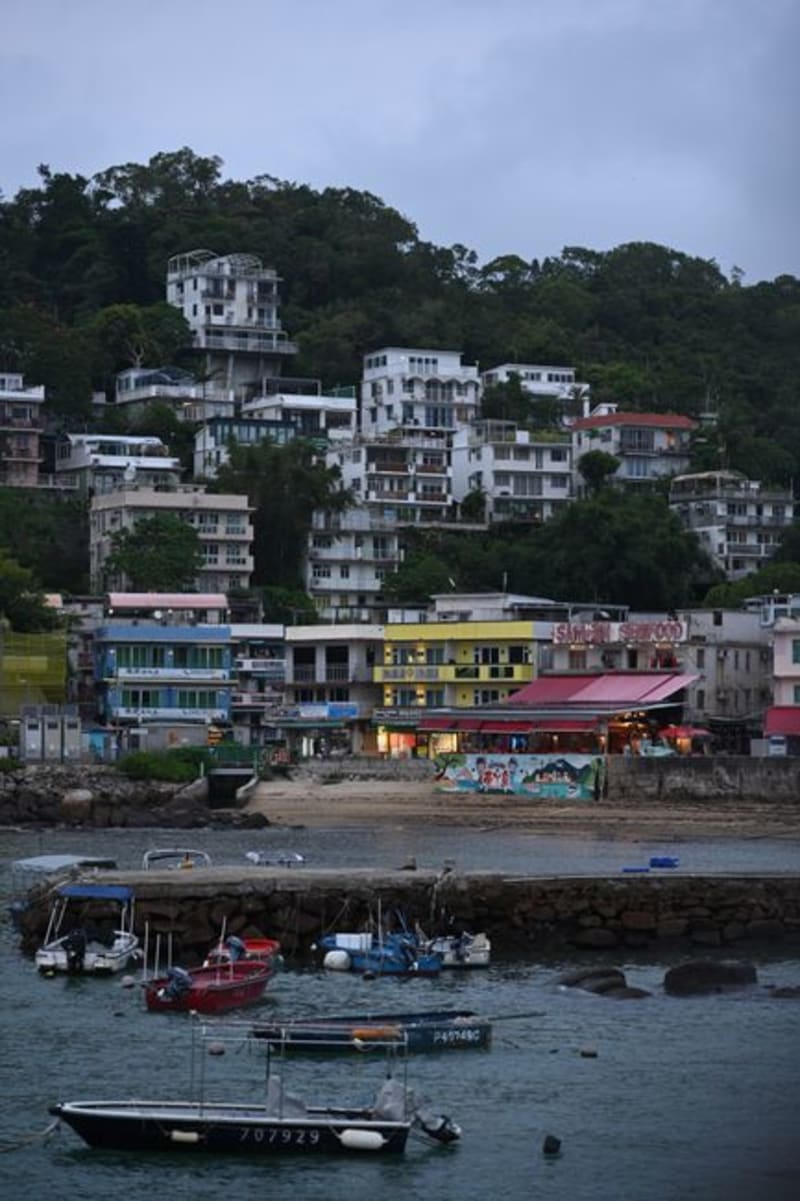
A remote, crescent-shaped island near the mainland border with striated shale cliffs and coral reefs — Hong Kong's most far-flung weekend escape.
Explore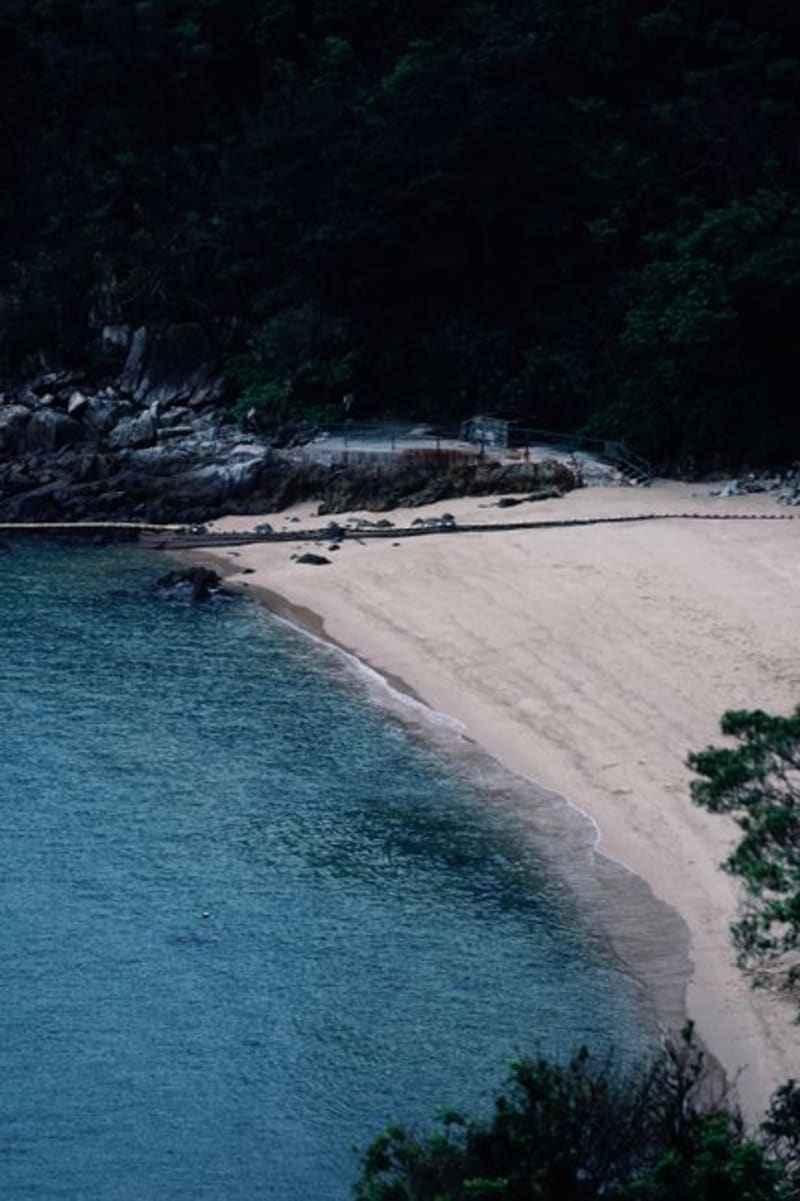 hong-kong
 Turtle Cove
A small, half-hidden beach near Cape D'Aguilar known locally as Tai Tau Chau — reached down a steep staircase and rewarded with some of Hong Kong Island's cleanest water.
Explore hong-kong
 Victoria Peak
The city from above — where Hong Kong's impossible density suddenly makes geometric sense.
Explore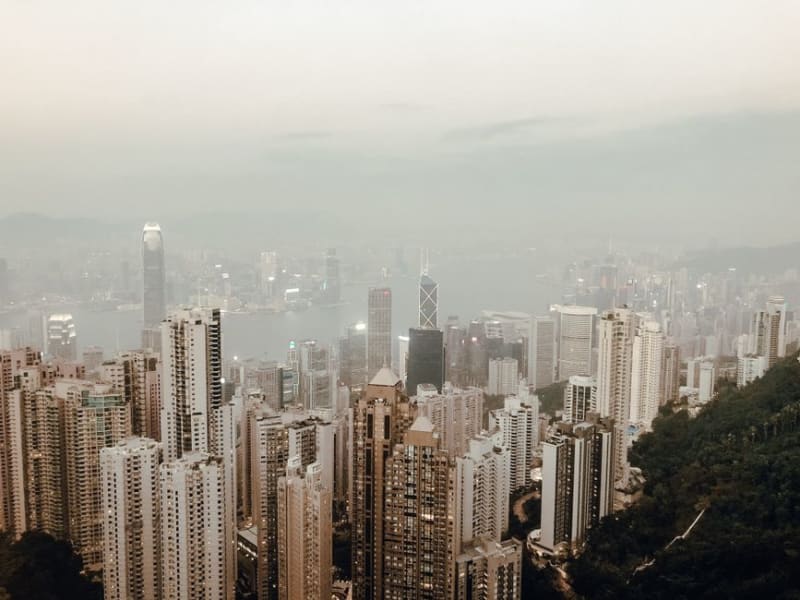 hong-kong
 Wan Chai
Where old Hong Kong refuses to leave — wet markets, tong lau tenements, and a nightlife strip that never got the memo about gentrification.
Explore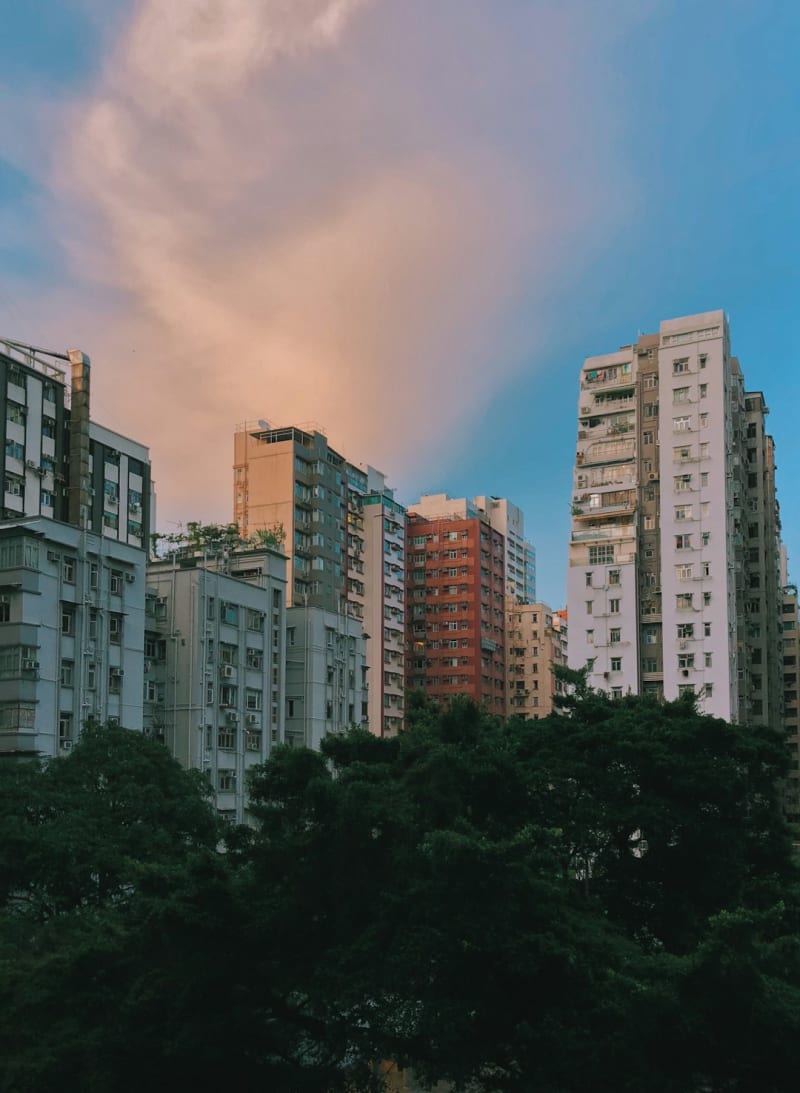 hong-kong
 Hong Kong Wetland Park
A reclaimed wetland reserve on the edge of Tin Shui Wai where mangroves, mudflats, and a resident crocodile sit improbably close to tower blocks.
Explore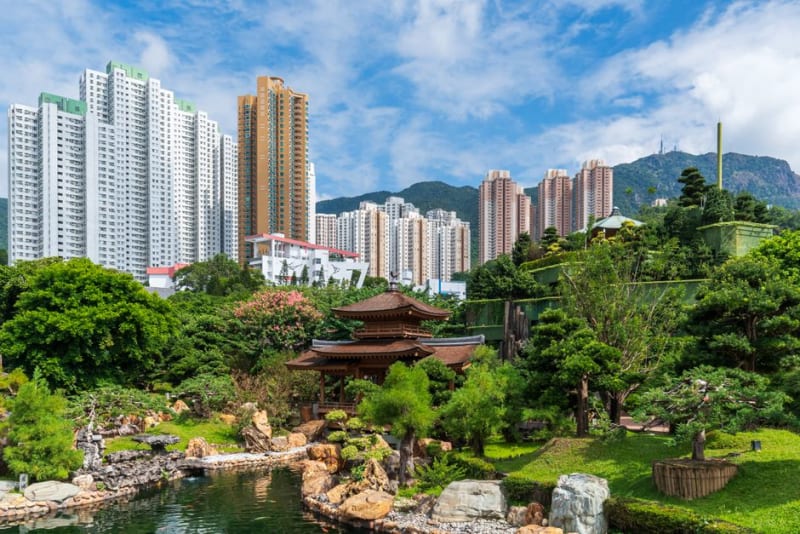 hong-kong
 Whampoa Garden
A Hung Hom housing estate with a life-sized concrete ocean liner moored in the middle of it, because why not.
Explore