Tsang Tai Uk
"A woman came out to collect her washing while we stood there with our cameras, entirely unbothered — this is still just her home."
A granite-walled Hakka clan village in Sha Tin that's still lived in, laundry drying over two-century-old courtyards.
Tsang Tai Uk is the detail that made it stick with me: unlike most of the heritage sites I visited in Hong Kong, this one is not a museum. People still live here. Built in the 1840s by a wealthy Hakka stonemason named Tsang Koon-man, the walled village follows a classic rectangular clan-compound layout — four corner watchtowers, a solid granite outer wall, rows of houses arranged with strict symmetry around a central ancestral hall — and while some of the original residents’ descendants have moved on, others haven’t, and the compound still functions as an actual residential community squeezed into the middle of modern Sha Tin.
Walking through the narrow lanes between the granite houses, we passed laundry strung between buildings, a woman sweeping her doorstep, a folding table where someone was preparing vegetables for dinner — small, unremarkable domestic moments that happened to be unfolding inside a 180-year-old fortified village. Nobody treated our presence as an intrusion, exactly, but there was a clear sense that we were guests in someone’s actual neighbourhood rather than visitors to an exhibit, and I tried to walk accordingly, keeping the camera down more than up.
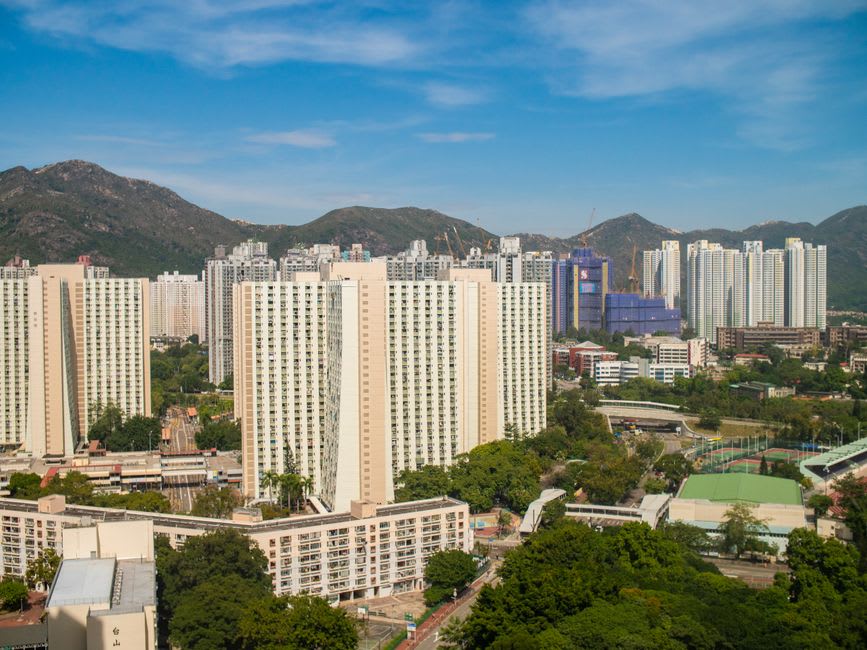
The corner watchtowers, built to guard against the bandit raids that were a real threat to isolated rural wealth in the 19th century New Territories, still stand at full height, their narrow slit windows facing outward over what is now a car park and a housing estate rather than open farmland. That mismatch between the building’s original defensive purpose and its current, thoroughly domesticated surroundings says something honest about how much the New Territories have changed in less than two centuries, while the stones themselves have barely moved.
It’s a short walk from Sha Tin’s more heavily visited sites — the racecourse, the river promenade, Ten Thousand Buddhas Monastery further up the hillside — and pairing it with one of those makes for an efficient, quietly rewarding half-day.
When to go: Weekday afternoons, approached respectfully and briefly since this remains someone’s home rather than a formal attraction. No strong seasonal pull either way — go whenever you’re already in Sha Tin for something else.
Keep exploring
More from Hong Kong
 hong-kong
 Tsz Shan Monastery
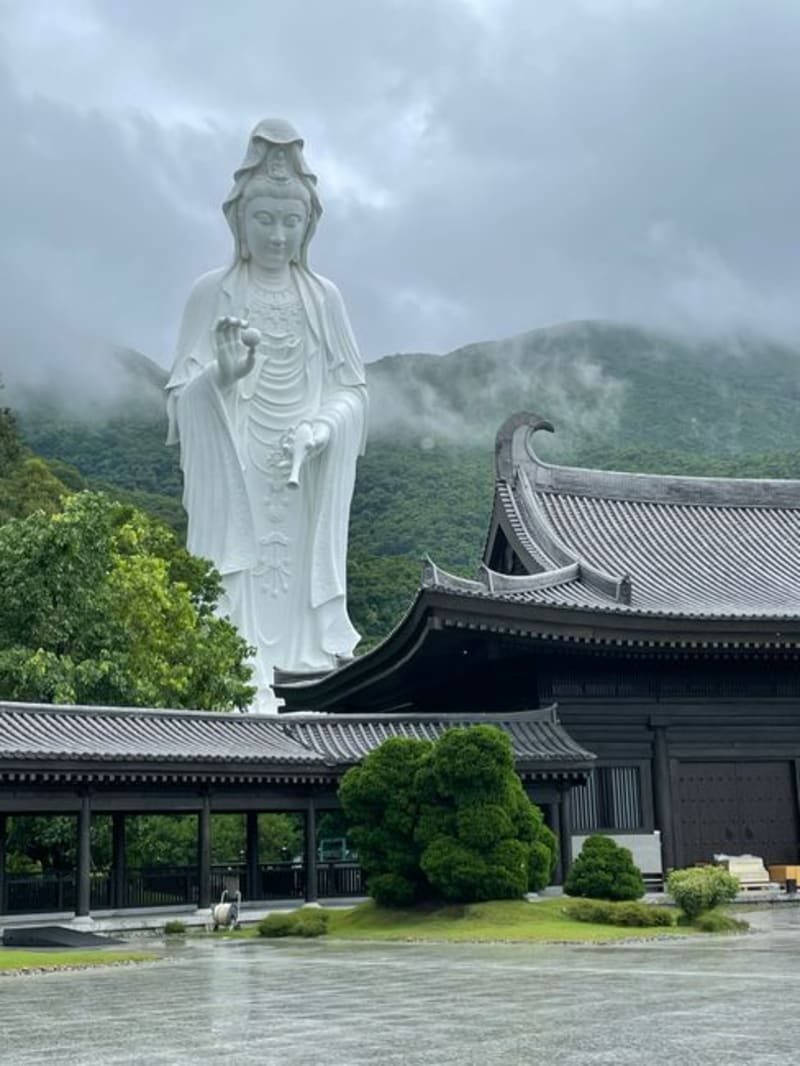
A vast, hushed Buddhist complex in the hills above Tai Po, built around one of the tallest bronze Guanyin statues on earth and a policy of deliberate, capped calm.
Explore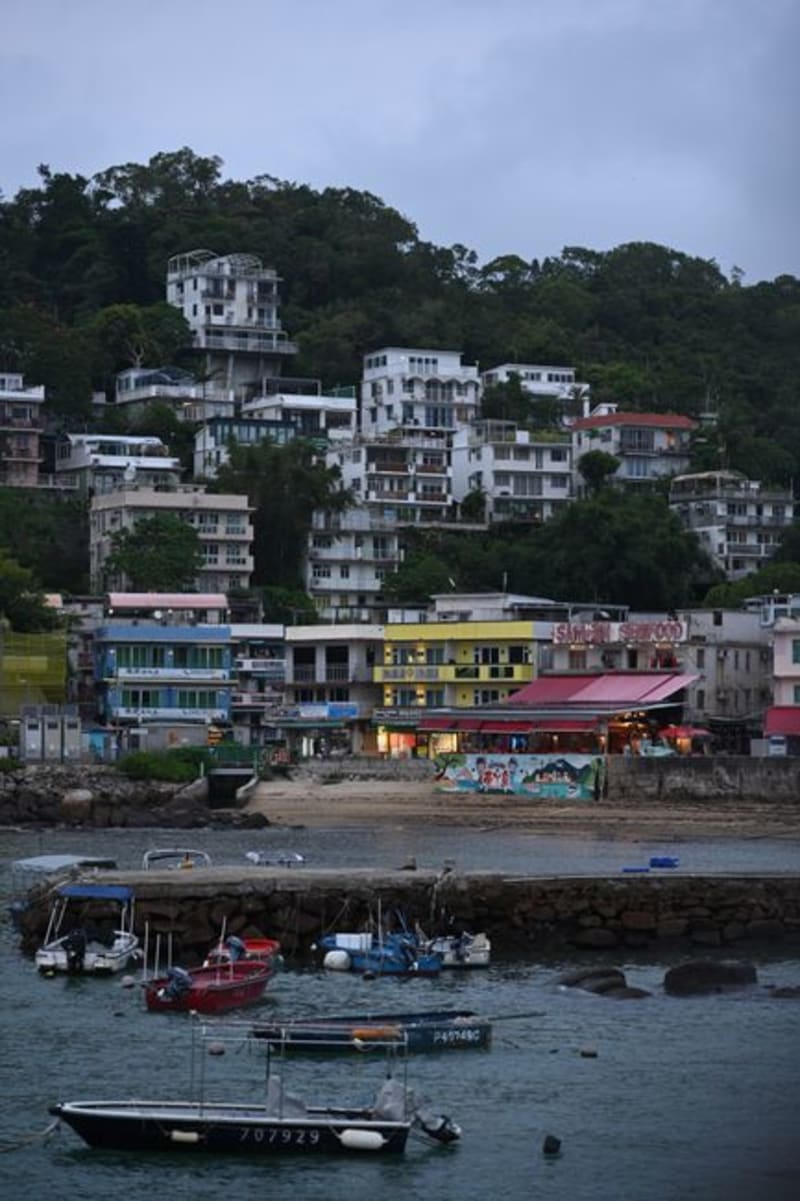 hong-kong
 Tung Ping Chau
A remote, crescent-shaped island near the mainland border with striated shale cliffs and coral reefs — Hong Kong's most far-flung weekend escape.
Explore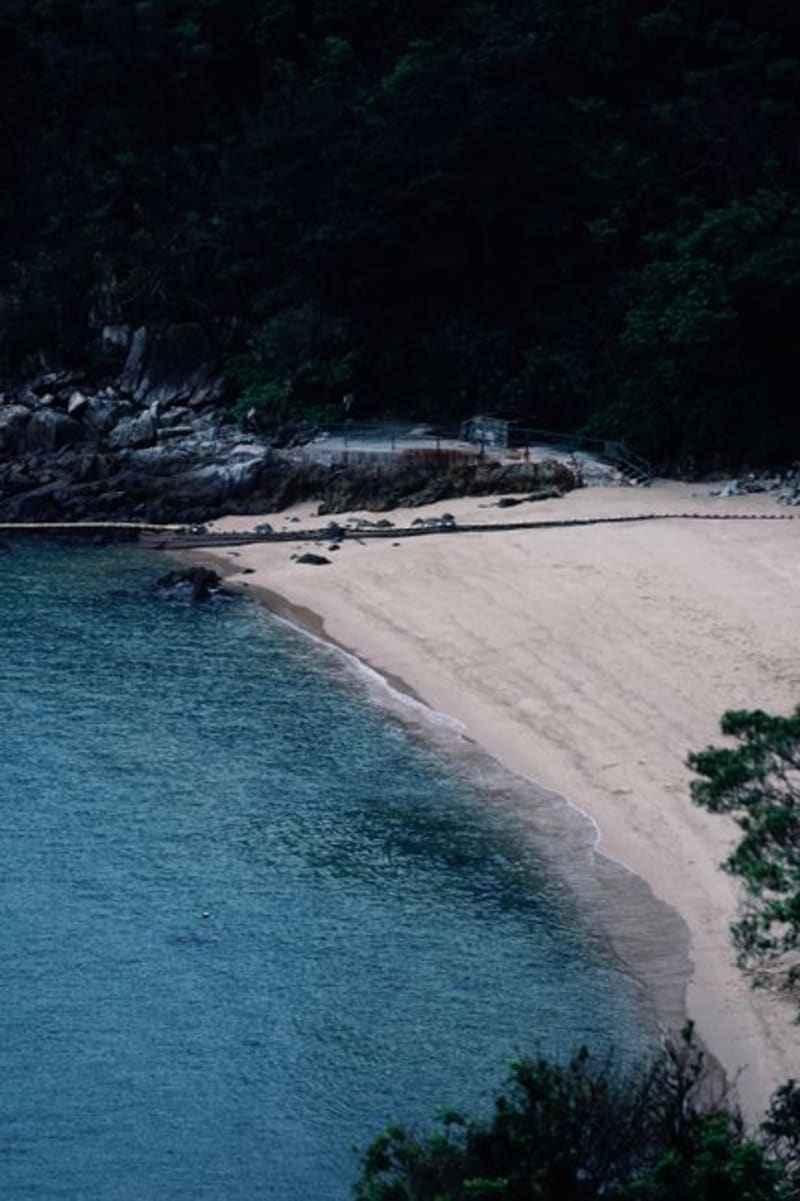 hong-kong
 Turtle Cove
A small, half-hidden beach near Cape D'Aguilar known locally as Tai Tau Chau — reached down a steep staircase and rewarded with some of Hong Kong Island's cleanest water.
Explore hong-kong
 Victoria Peak
The city from above — where Hong Kong's impossible density suddenly makes geometric sense.
Explore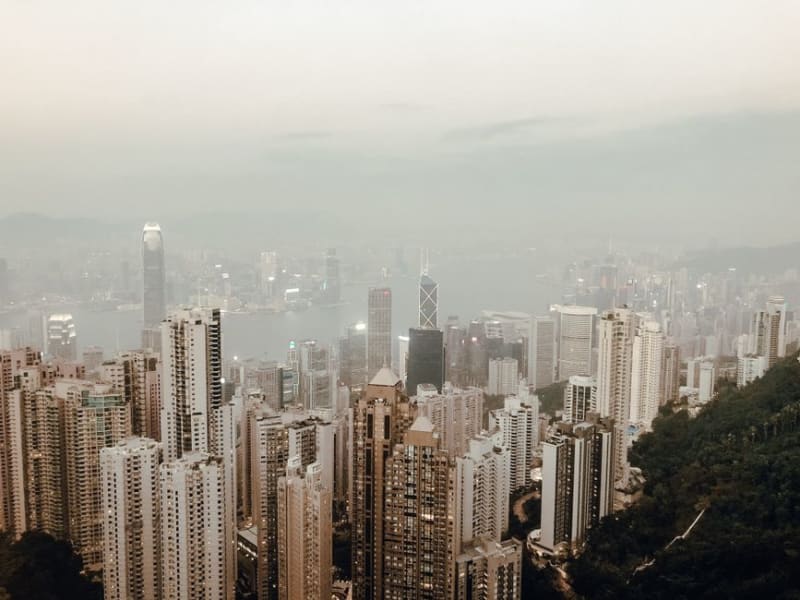 hong-kong
 Wan Chai
Where old Hong Kong refuses to leave — wet markets, tong lau tenements, and a nightlife strip that never got the memo about gentrification.
Explore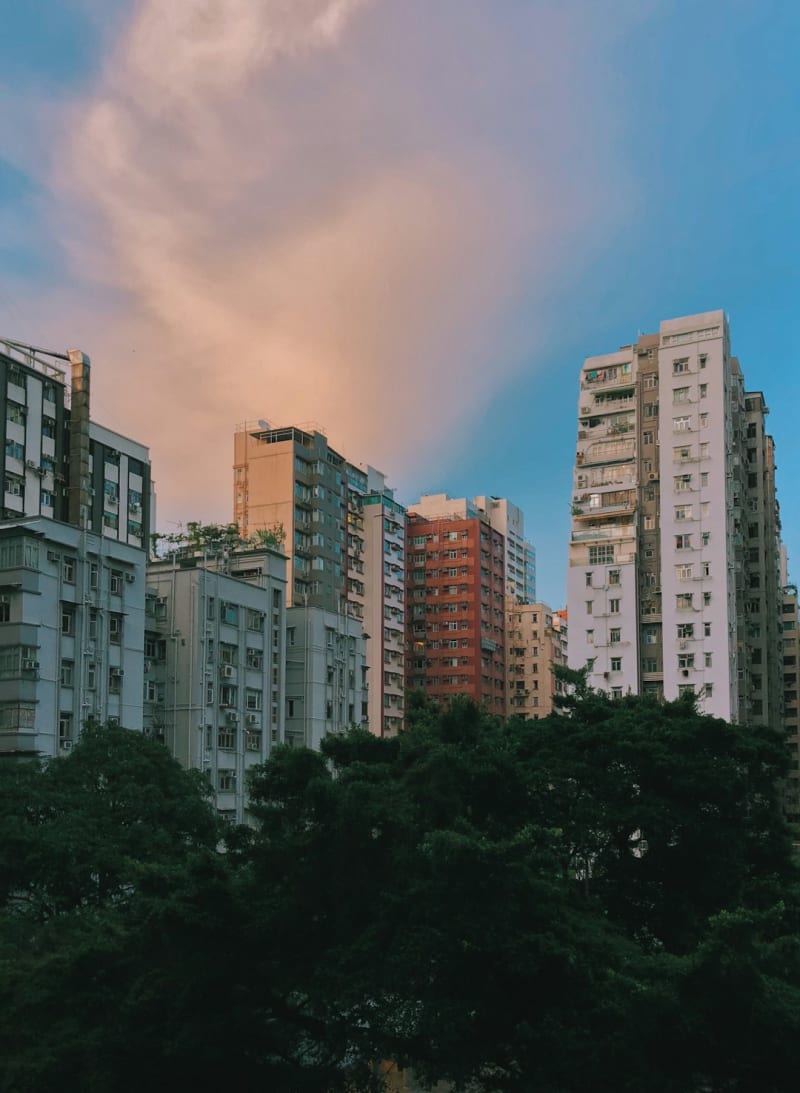 hong-kong
 Hong Kong Wetland Park
A reclaimed wetland reserve on the edge of Tin Shui Wai where mangroves, mudflats, and a resident crocodile sit improbably close to tower blocks.
Explore